
Dell fixes critical flaws in Container Storage Modules
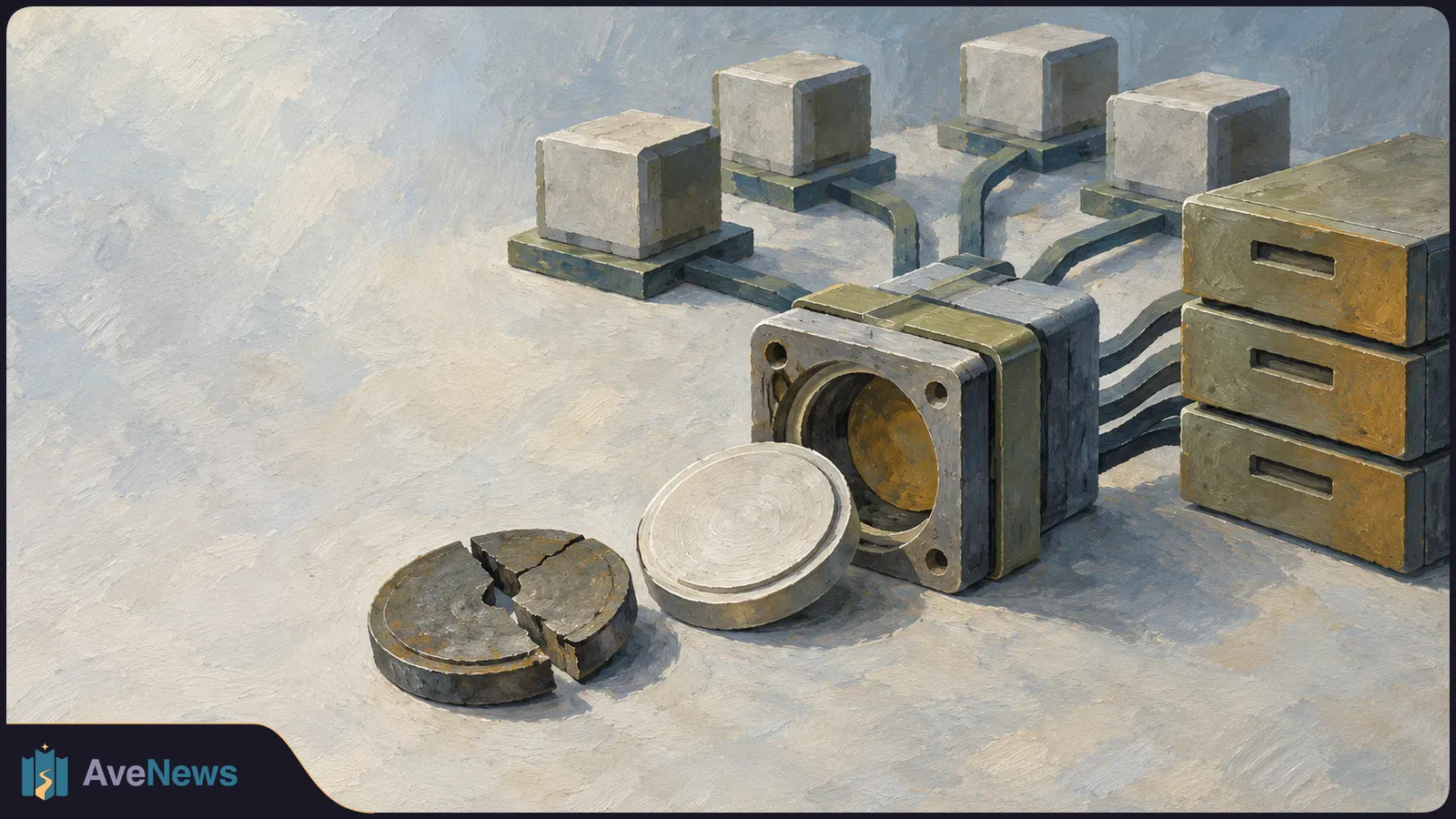
The flaws could expose storage-administrator credentials or give attackers control of Kubernetes nodes. Dell advises updating CSM and replacing JWT signing secrets.
The flaws could expose storage-administrator credentials or give attackers control of Kubernetes nodes. Dell advises updating CSM and replacing JWT signing secrets.
Dell has released security updates for six critical flaws in Container Storage Modules (CSM). The weaknesses could expose storage-administrator credentials or let attackers take control of Kubernetes cluster nodes—the computers that make up a cluster. The Hacker News reported the fixes and Dell’s assessment of the risks on October 2.
All CSM versions before 1.17.0 are affected, and the fixes are supplied in version 1.18.0. The status of version 1.17.0 is not yet clear.
Several flaws could let attackers gain administrative access without first authenticating, or proving their identity. Others require an attacker to already have limited privileges. Dell says the storage-authorization flaw CVE-2026-63688 could give an attacker full administrative control across all five supported Dell storage product families.
The node-access flaw, CVE-2026-67269, could compromise every node in a Kubernetes cluster, according to Dell. It could give an attacker root access, the highest level of control over a node.
The six flaws have CVSS severity ratings from 9.6 to 10.0. Dell’s descriptions, as reported by The Hacker News, identify these potential effects:
| Vulnerability | CVSS score | Weakness and potential effect |
|---|---|---|
| CVE-2026-63688 | 10.0 | Missing authentication in the csm-authorization-storage server could let an unauthenticated remote attacker obtain administrator credentials for every registered storage array. |
| CVE-2026-63692 | 10.0 | Missing authentication in the authorization proxy and tenant service could give an unauthenticated network attacker administrative control and access to storage resources across all tenants—the separate users or groups served by the system. |
| CVE-2026-67269 | 9.9 | Improper privilege handling could let a remote attacker with limited privileges gain root access on Kubernetes cluster nodes. |
| CVE-2026-54472 | 9.8 | Credentials built into CSM Authorization could let an unauthenticated remote attacker forge valid administrative tokens and manage storage-access policies across connected tenants. |
| CVE-2026-61421 | 9.8 | A cryptographic key built into karavi-authorization’s JWT authentication component could let an unauthenticated remote attacker who knows the publicly available signing secret forge authentication tokens and gain administrative privileges. |
| CVE-2026-67273 | 9.6 | A template-processing flaw could let a remote attacker with limited privileges read Kubernetes Secrets across the cluster and create cluster-wide role-based access control resources, bypassing intended access controls. Secrets hold sensitive data; role-based access control governs permissions. |
Dell recommends applying the updates and rotating any JWT signing secrets, The Hacker News reports. JWT tokens are used for authentication. Rotating a signing secret means replacing the secret key used to sign the tokens.
No workaround or alternative mitigation is reported beyond updating to the latest version. Whether attackers have exploited these CSM flaws is not yet clear.
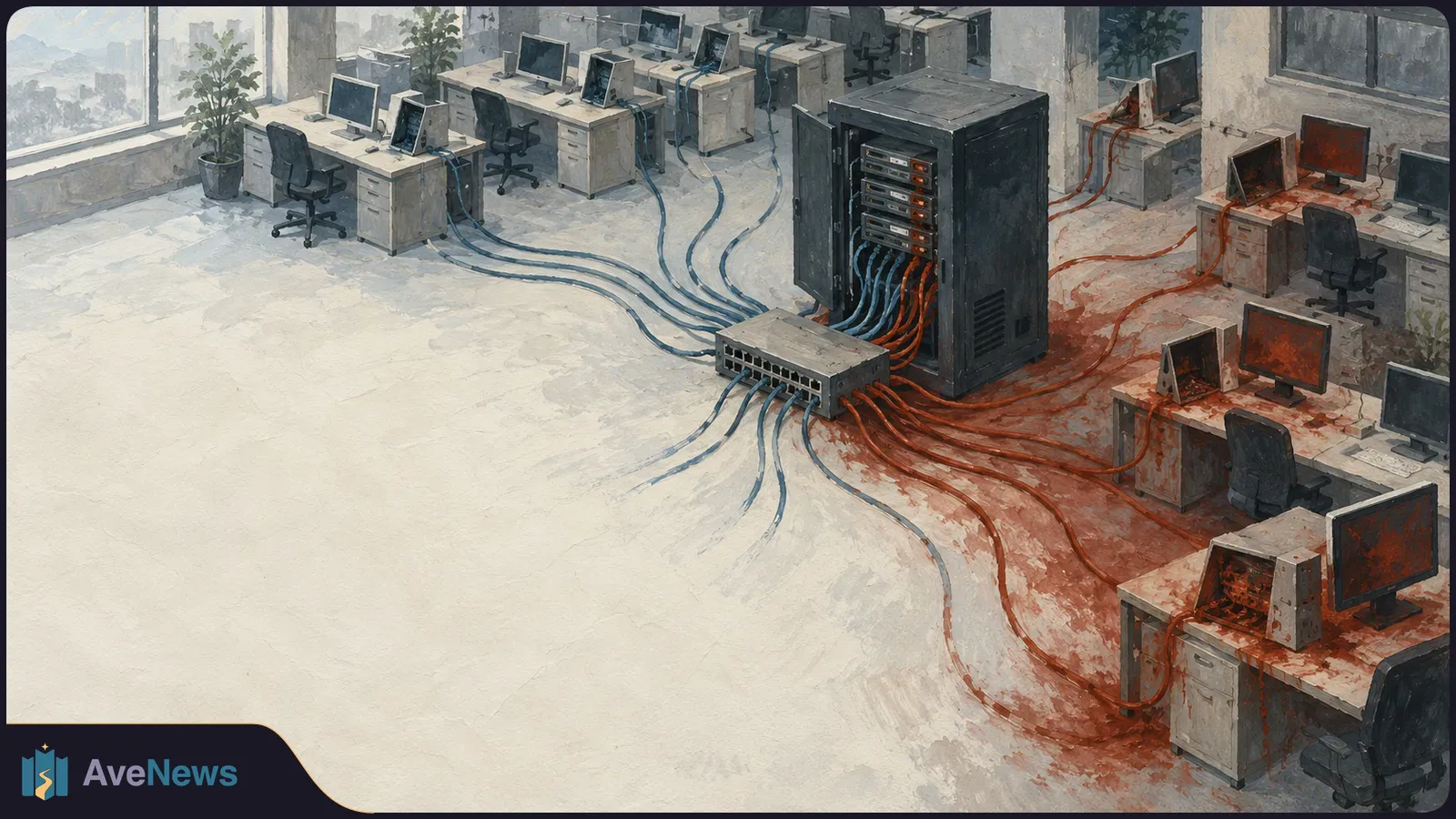
Researchers described how attackers disabled security software and used shared network infrastructure to spread ransomware beyond an initial breach.
3 min
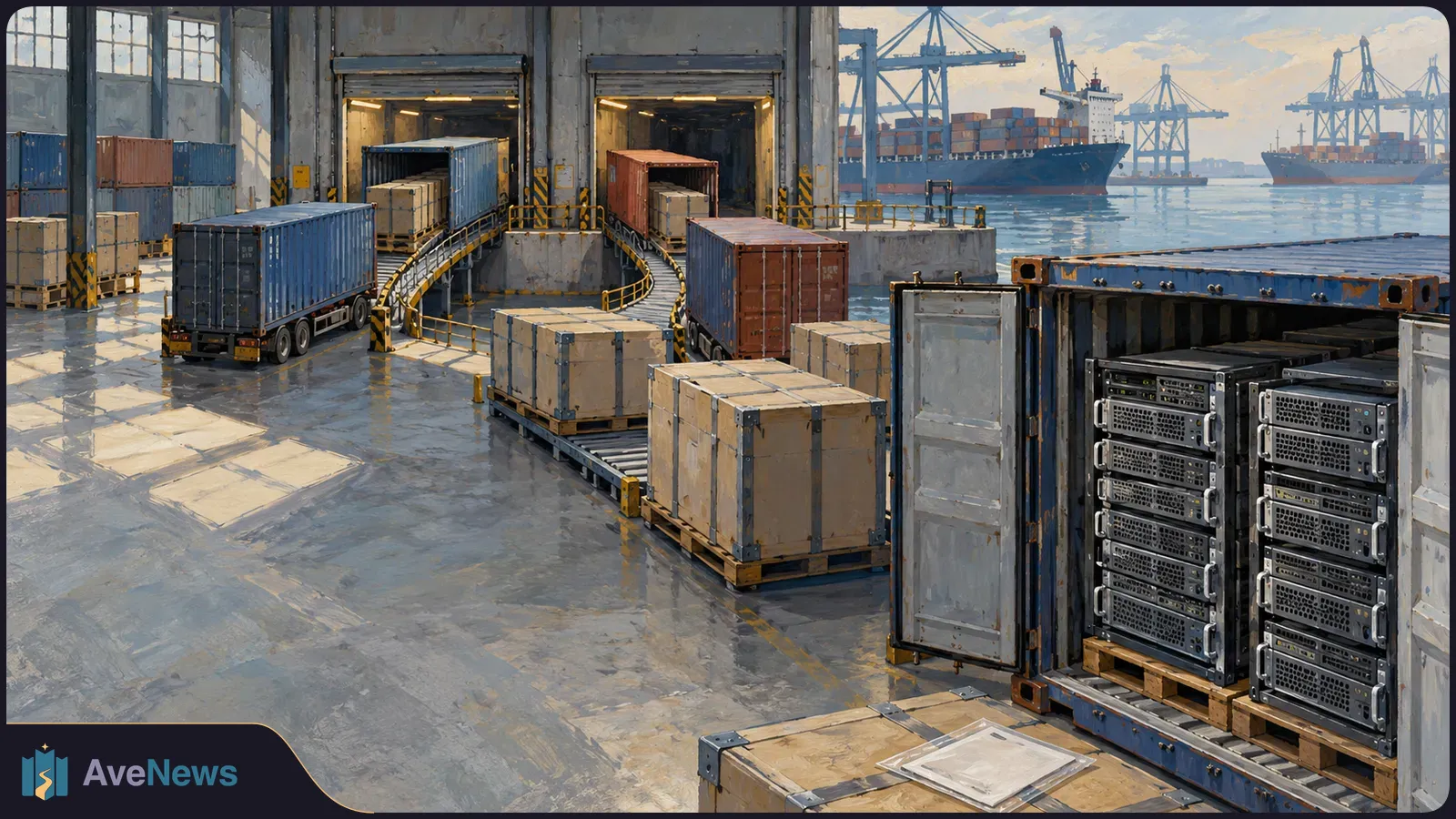
Ars Technica reports that a shipment worth more than $22 million was presented as Malaysia-bound, with paperwork naming the supposed buyer’s CEO as “Jackie Lui.”
4 min
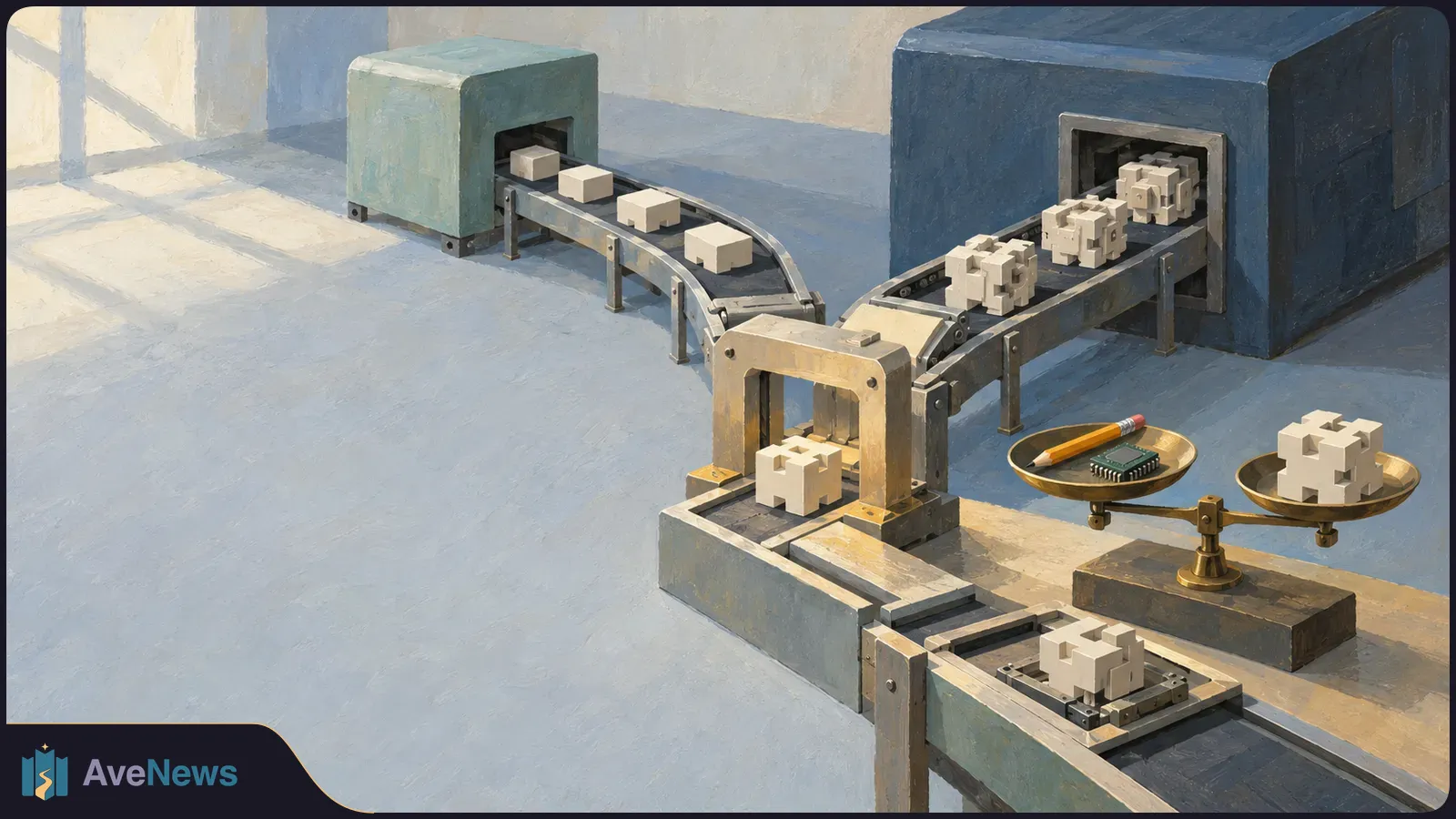
Its CFO described routing simpler tasks to basic or open-source models and measuring engineering teams on combined human and SI costs.
2 min
