
Two-year trial finds no significant weight-loss difference between diet drinks and water

The comparison involved 493 adults in a structured weight-management program. Its results do not prove that the drinks have equivalent effects or establish comprehensive safety.
Adults assigned diet drinks and those assigned water lost weight over two years, with no statistically significant difference between the groups, according to ScienceDaily’s October 4 report on the SWITCH trial. All participants took part in a structured behavioral weight-management program, so the comparison does not establish whether either drink causes weight loss on its own.
The 104-week randomized trial included 493 adults with overweight or obesity. Participants were assigned to drink either water or commercially available diet beverages each day. Random assignment makes this a direct comparison of assigned beverage choices, rather than a study of people’s existing drinking habits.
The diet beverages contained non-nutritive sweeteners—low-calorie or calorie-free sugar substitutes—including aspartame, acesulfame potassium and sucralose. Researchers at the University of Liverpool led the peer-reviewed research, published in the British Journal of Nutrition.
| Assigned daily drink | Weight change |
|---|---|
| Diet beverages | −4.8 kg |
| Water | −3.7 kg |
The difference was statistically nonsignificant: the analysis did not detect a clear difference between the groups. That is not, by itself, proof that diet drinks and water have equivalent effects. Both groups reportedly maintained weight reductions through the final year, when participants no longer received assistance.
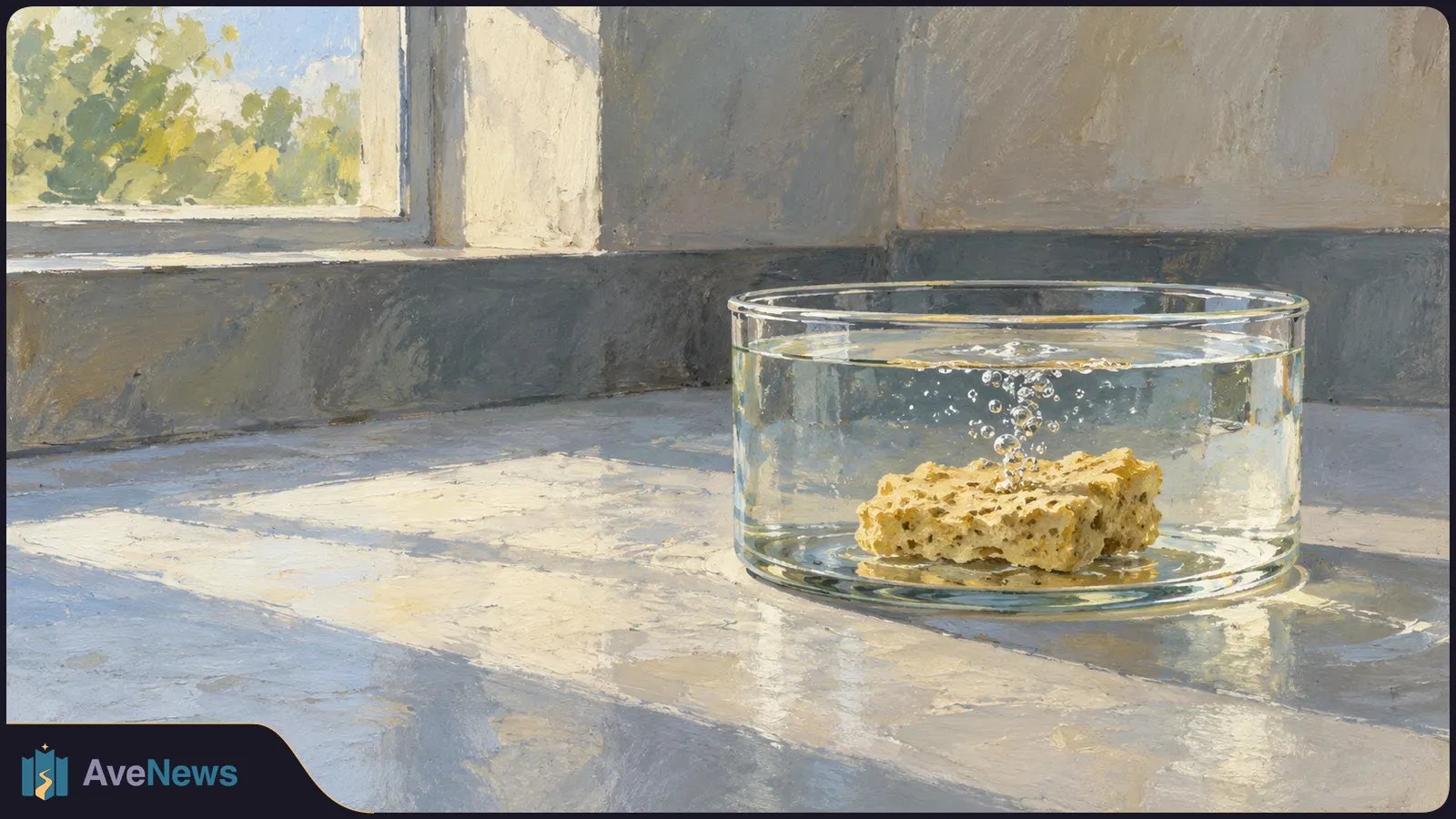
Both groups had reductions in waist and hip circumference, alongside improvements in body composition and several metabolic biomarkers—measurements used to assess how the body processes and uses nutrients. Researchers reported no clinically meaningful differences between the groups in measures such as blood pressure and cholesterol. Sugar intake fell in both groups, with a slightly larger reduction in the diet-drink group.
Analysis
The metabolic findings concern the measurements assessed over two years; they do not establish comprehensive safety. Sweetener intake remained within European Food Safety Authority safety thresholds, according to the report, but staying within those thresholds is not the same as testing every possible health effect.
It is not yet clear how many participants completed the trial, how closely they followed their assigned drinks, or what confidence intervals surrounded the weight-loss estimates. Confidence intervals express the statistical uncertainty around an estimate; those details matter when judging the precision of the comparison and the possible influence of participants leaving the trial.
The trial compared diet beverages with water, not with sugar-sweetened drinks. It therefore does not directly measure the effect of replacing sugary drinks with diet versions, even though researcher Jason Halford described diet beverages as an effective alternative to sugar-sweetened drinks.
The American Beverage Association funded the study. The researchers said their team operated independently of the funder and retained full control over the analysis and reporting.
ScienceDaily places the results alongside World Health Organization guidance advising against non-sugar sweeteners for weight control because of uncertainty in observational research. Study leader Joanne Harrold said she hoped the trial would inform future WHO guidance and public-health policy. The trial adds a long-term randomized comparison to that debate; it does not itself change WHO guidance.
The BVR-19 material uses sulfur-containing organic building blocks to produce hydrogen from water, the researchers say. Its efficiency, durability and practical costs remain unclear.
2 min
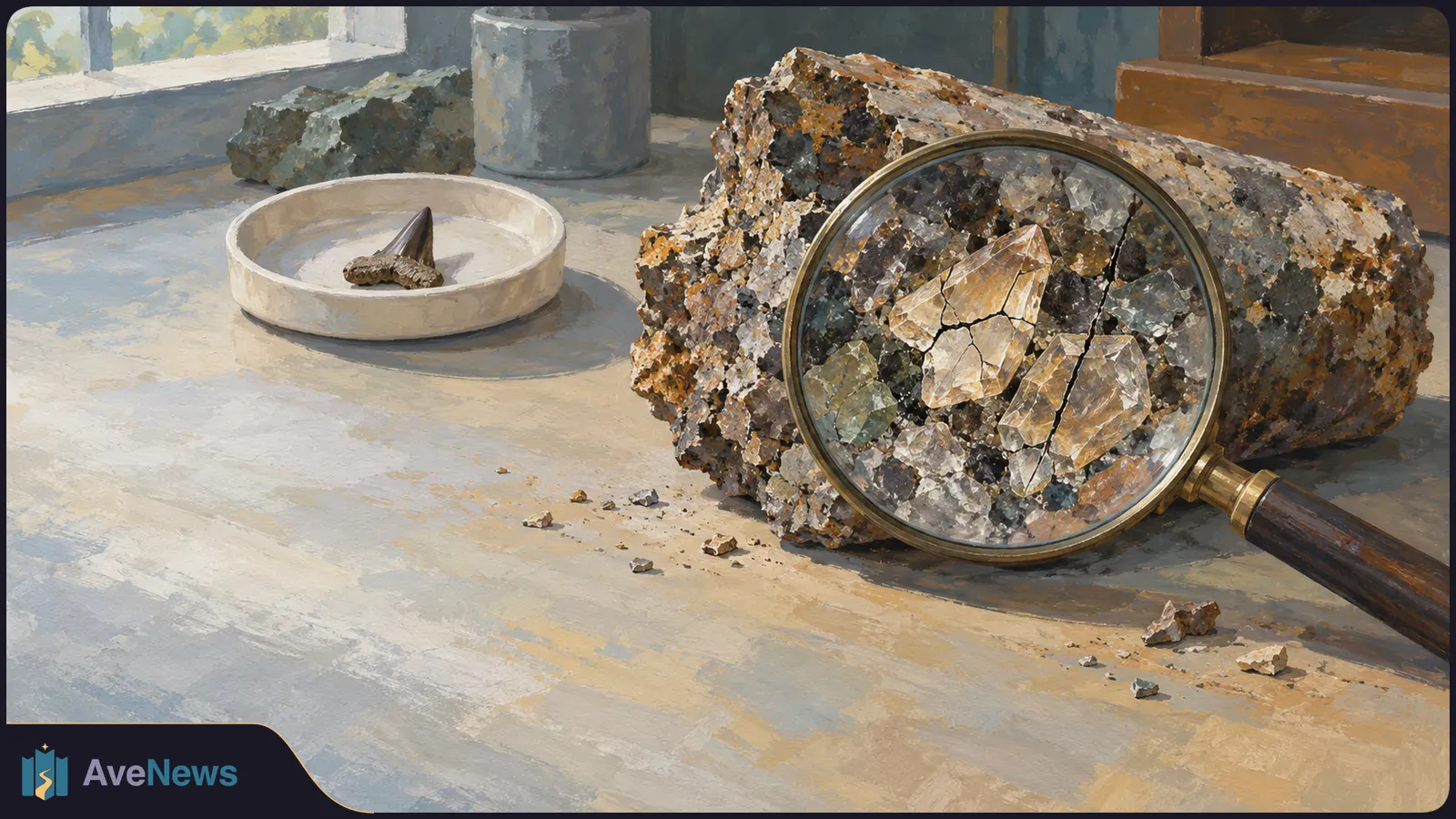
Crystals altered by the collision point to a Late Devonian impact, rather than the older date inferred from fossil teeth.
3 min

UCLA Health researchers studied scans from nearly 1,500 adults across three groups. The findings describe associations, not proof of faster biological aging or a gut-driven cause.
3 min