Loading… Բեռնվում է…
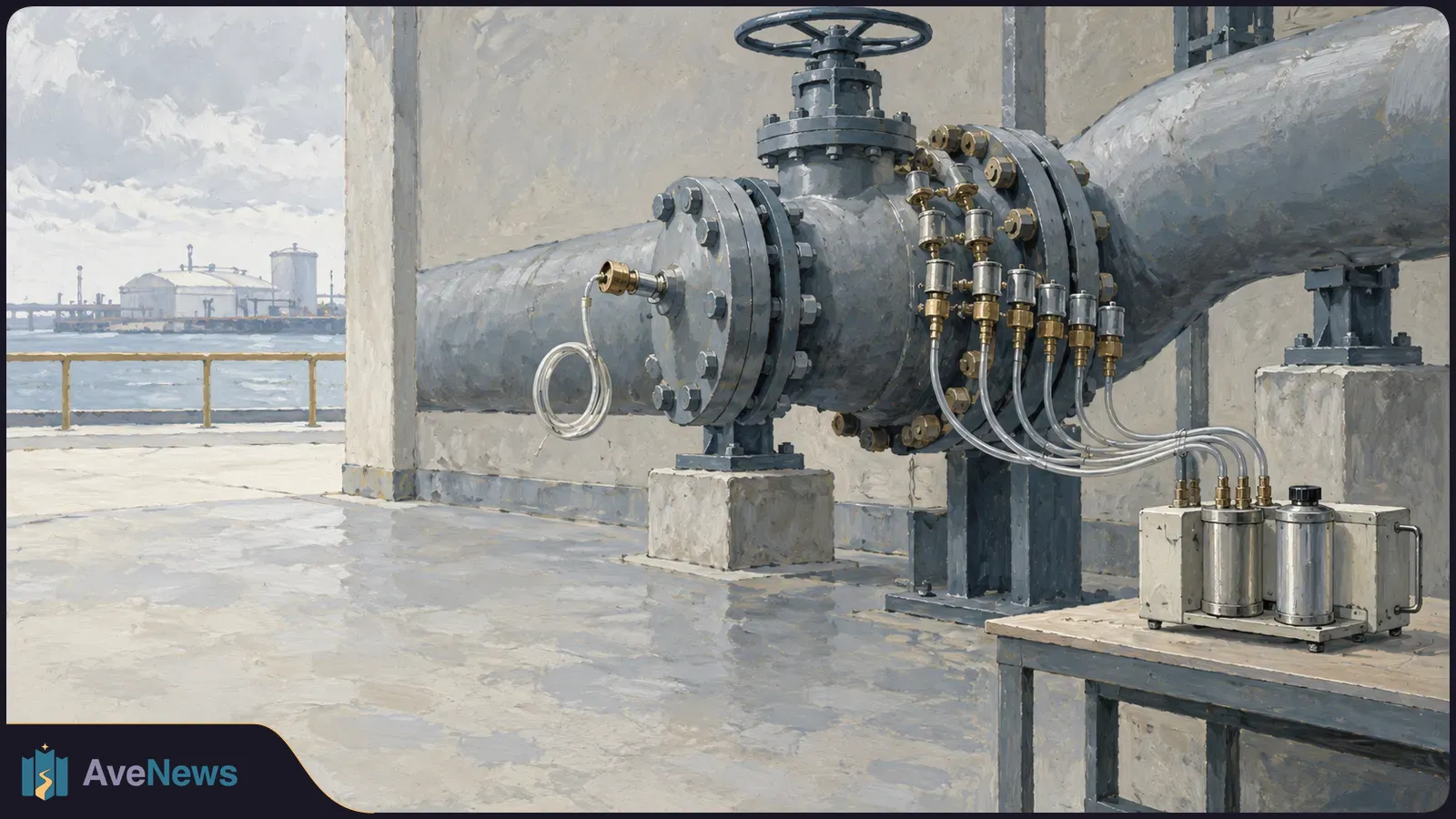
Parliament seeks a longer pause than the European Commission’s earlier one-year proposal. Some obligations could move to 2030 if other EU institutions agree, but the vote itself does not change legal deadlines.
The European Parliament has voted to seek a three-year delay to EU methane rules, Politico reported on 22 October. The vote establishes Parliament’s position; it does not itself postpone the requirements.
The vote follows the European Commission’s work on a formal proposal for a one-year postponement, reported by Inside Climate News on 30 September. Under the existing regulation, oil, gas and coal importers must begin monitoring, reporting and verifying methane emissions on 1 January 2027.
Some obligations could apply only from 2030 if other EU institutions agree with Parliament’s position, according to Politico. That would change when those duties take effect, rather than merely pause penalties for failing to meet them.
The import requirements belong to broader rules intended to reduce methane emissions from imported energy and domestic energy production. Methane is the main component of natural gas and the second-largest contributor to global warming after carbon dioxide.
| Part of the regulation | Timing and status |
|---|---|
| Importers’ monitoring, reporting and verification—tracking emissions, reporting them and having the figures checked | |

Companies said their imports would not comply because suppliers would not provide the required emissions information. Rob Jennings, vice president of natural gas markets at the American Petroleum Institute, which represents US oil and gas companies, welcomed the Commission’s efforts to address implementation concerns and called for long-term certainty.
EU Energy and Housing Commissioner Dan Jørgensen made the earlier proposal at a meeting of EU energy ministers in Dublin. He said rising costs had led the EU to spend an additional 100 billion euros on energy in 2026. He described any pause as “targeted and temporary” and said it would not undermine the emissions-reduction goal.
Fatih Birol, executive director of the International Energy Agency, supported the proposed pause, saying Europe and the world faced a major energy-security risk.
Maas Goote, the EU’s former lead climate negotiator and an independent policy adviser, said there was no evidence that keeping the regulation in place would cause price spikes or reduce supply. He argued that methane emissions also represent an enormous waste of energy, not only a climate problem.
Michael Button, a senior policy specialist at the Institutional Investors Group on Climate Change, said another postponement would create uncertainty and could disadvantage companies that had already invested in compliance. He argued that implementation problems should be addressed through clear, consistent guidance and practical compliance solutions rather than delay.
For Parliament’s requested delay to take effect, other EU institutions would have to agree. Until the rules change, importers remain subject to the existing deadline.
Officials linked at least 32 deaths mainly to measles and malaria, possibly worsened by malnutrition and delayed care. Individual causes remain uncertain.
4 min

A galaxy cluster bends the explosion’s light along different paths. The timing of another image could help astronomers work out how the cluster’s mass is distributed.
2 min

The nondisclosure pledge covers government agencies involved in projects. Annual reporting would also cover efficiency and the share of electricity from carbon-free sources.
4 min