
Genetic analysis points to shared networks in five conditions linked to fatigue
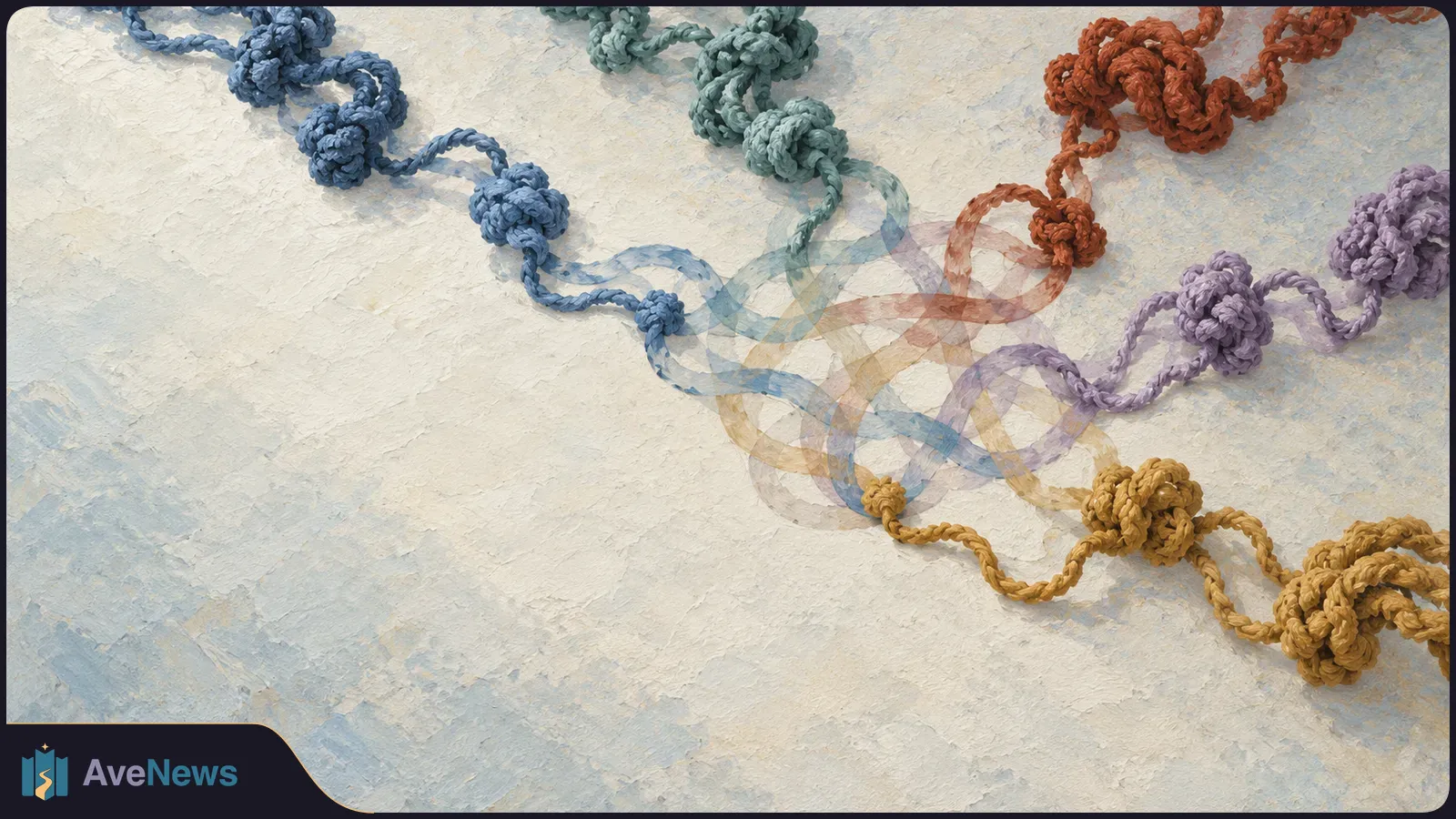
Researchers used existing genetic data and predicted DNA contacts to look for biological connections. The overlap does not establish a common cause of fatigue.
Researchers have reported that largely different genes associated with five conditions connect to overlapping biological networks involved in immunity, energy production and stress responses. The computational finding could help researchers investigate why severe fatigue occurs in chronic fatigue syndrome (ME/CFS), long Covid, post-traumatic stress disorder (PTSD), rheumatoid arthritis and multiple sclerosis. It does not establish that these conditions share a cause of fatigue.
ScienceDaily reported the findings on October 2, 2026. The study, published in the Journal of Translational Medicine, was led by the University of East Anglia in collaboration with Oxford BioDynamics and other institutions. Oxford BioDynamics owns EpiSwitch Orion, the platform used in the analysis, and participated in the research.
The team collected no new patient samples. It combined previously published data for long Covid, PTSD, rheumatoid arthritis and multiple sclerosis from genome-wide association studies—studies that look for genetic differences associated with a condition—with earlier data on the three-dimensional organization of DNA in people with ME/CFS.
DNA folds inside cells, allowing regions far apart in its sequence to come into contact and influence gene activity. According to Oxford BioDynamics chief data officer Ewan Hunter, Orion predicts where those contacts are likely to occur. The researchers used those predictions to connect genetic associations with networks that regulate biological processes.
Lead researcher Dmitry Pshezhetskiy said there was little direct overlap among individual genes associated with the five conditions. The connections emerged at the network level instead. The reported overlap included immune and inflammatory signals, energy production by mitochondria—the energy-producing structures inside cells—metabolic regulation, stress responses, and signaling between the nervous system and hormones.
Analysis
The conditions can begin in different ways. Pshezhetskiy explained that ME/CFS often follows infection, long Covid follows SARS-CoV-2 infection, and PTSD follows traumatic experiences. Rheumatoid arthritis involves an autoimmune attack on joints, while multiple sclerosis affects the nervous system. He proposed that these different triggers may disturb some of the same systems, helping explain overlapping symptoms such as fatigue, difficulty concentrating and disrupted sleep.
The predicted network overlap gives researchers a hypothesis to investigate; it does not show that the shared networks cause patients' exhaustion. Whether these predicted connections explain fatigue in patients remains unresolved.
The analysis also identified candidate genes for further study. In its ME/CFS work, the team highlighted LAG3, which has been linked to T-cell exhaustion: reduced effectiveness of immune cells after prolonged activation. The researchers said further work is needed to establish the roles of these genes. That immune-cell finding is not proof of an explanation for patients' fatigue.
Pshezhetskiy said ME/CFS and long Covid are diagnosed largely through symptoms, without a universally accepted laboratory test. ScienceDaily described an earlier blood-based ME/CFS test developed using EpiSwitch as showing promising diagnostic accuracy, but that test still needs further validation before clinical use.
The team hopes shared biological signatures could eventually support diagnostic tests and treatments relevant to more than one condition. Those are proposed applications, not validated clinical outcomes of this computational study.
The system began in 1970. Its replacement is already operational, while another generation of satellites remains in development.
2 min
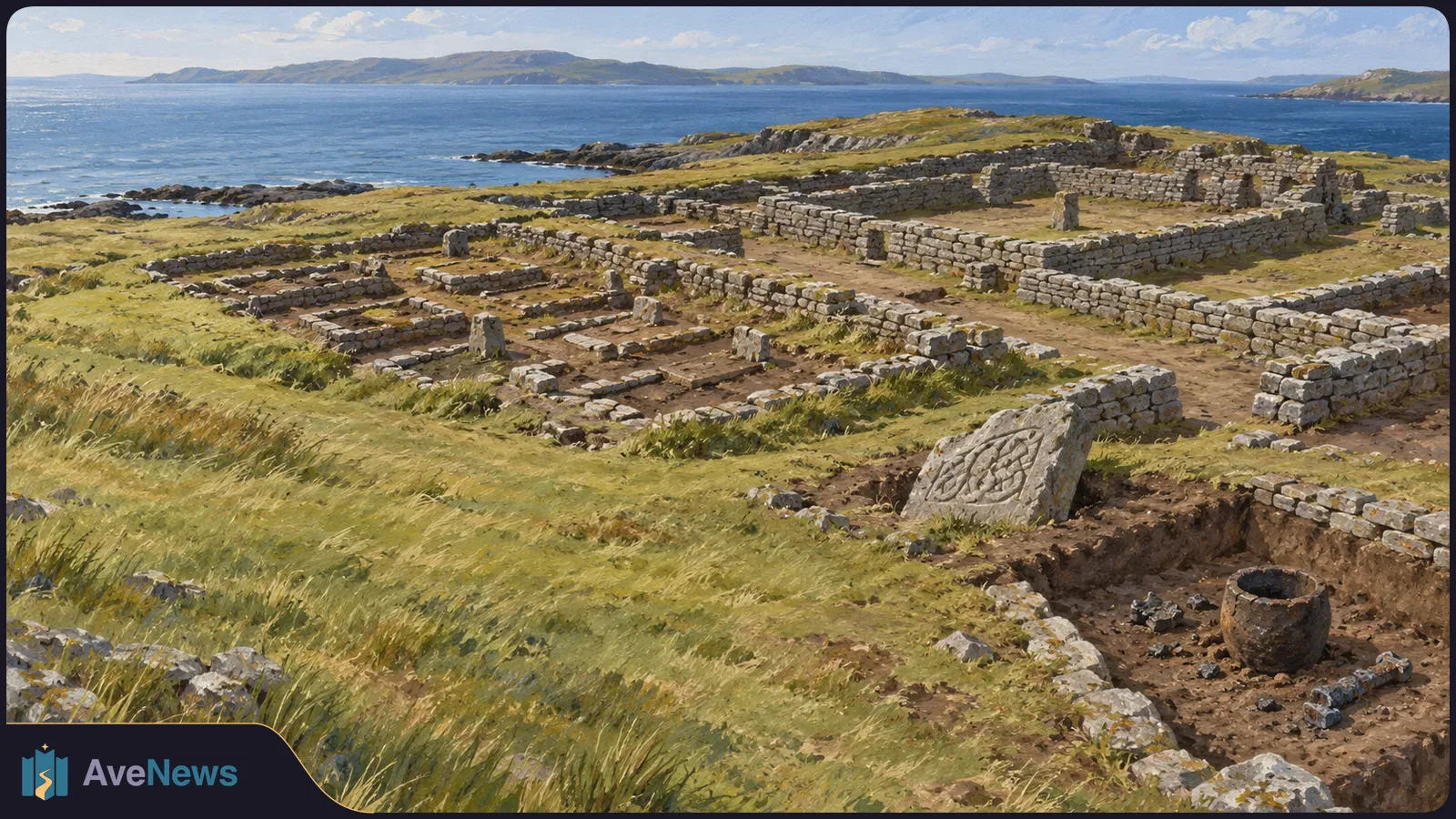
Buildings, burial grounds and carved stone underpin archaeologists’ reassessment of the Scottish island’s monastery. Metalworking finds also point to later jewellery production.
2 min

Comparisons of NbSe2 inside and outside an engineered electromagnetic cavity suggest a possible way to control superconductivity. The researchers’ vacuum-fluctuation explanation remains a proposed mechanism.
3 min