
Study links glucosamine use to dementia progression

Health records showed a 25% higher likelihood of progression from mild cognitive impairment to dementia among glucosamine users. The association does not prove that the supplement caused it.
University of Florida researchers found that glucosamine use was associated with a 25% higher likelihood of progression from mild cognitive impairment to dementia, after accounting for age, sex and demographics. The study, published in Nature Metabolism and reported by ScienceDaily, does not establish that glucosamine caused the progression.
Mild cognitive impairment, or MCI, means measurable memory or thinking problems beyond those expected with normal aging, without necessarily substantially interfering with everyday life. Glucosamine is widely sold without a prescription and is commonly taken by older adults for joint discomfort and joint health. The findings therefore raise a practical question about a familiar supplement among people who already have cognitive difficulties.
The researchers looked back at UF Health records collected from 2012 to 2024, with identifying information removed. Among patients with MCI, 2,750 people—8% of that group—reported glucosamine use. The reported 25% higher likelihood of progression is a relative increase, not an increase of 25 percentage points.
Among patients who already had Alzheimer’s disease or related dementias, glucosamine use was also associated with a 25% higher risk of death during the period studied. The researchers did not observe that mortality association in the MCI group. These record-based findings remain observational: other differences between supplement users and nonusers may contribute to the associations.
Experiments explored a possible biological explanation: the attachment of sugar structures to proteins. This is a normal cellular process. Study co-author Matt Gentry explained that these sugar tags help many proteins fold correctly, reach the right location and perform their functions. The researchers found signs that the process becomes excessively active in Alzheimer’s disease.
Glucosamine is a naturally occurring, sugar-related molecule. It can cross the blood-brain barrier—the boundary that controls which substances enter brain tissue from the blood—and feed into pathways that build sugar structures and attach them to proteins.
In genetically modified mice used to study Alzheimer’s disease, glucosamine significantly increased sugar attachment to proteins inside cells. Treated mice also developed worse deficits in social-recognition memory than the other animals. Chemically suppressing sugar attachment improved memory performance, suggesting that excessive tagging contributed to the animals’ memory problems rather than merely occurring alongside them.
Human brain specimens from people with Alzheimer’s disease also showed significantly more protein sugar attachment than control tissue. That finding supports the researchers’ proposed mechanism, but it does not establish that glucosamine caused the changes in those people.
The mouse experiments suggest a mechanism worth testing, not proof of harm from glucosamine in people. Together with the health-record association and human tissue findings, they raise a question about supplement use in people with cognitive impairment or dementia, but do not establish that users should stop taking glucosamine.
A controlled human clinical trial is needed to determine whether glucosamine directly accelerates Alzheimer’s progression and, if so, which patients may be most vulnerable.

A study of 142 people at three Swedish burial sites found that close relatives rarely shared graves, while children often followed the same burial customs as adults.
2 min
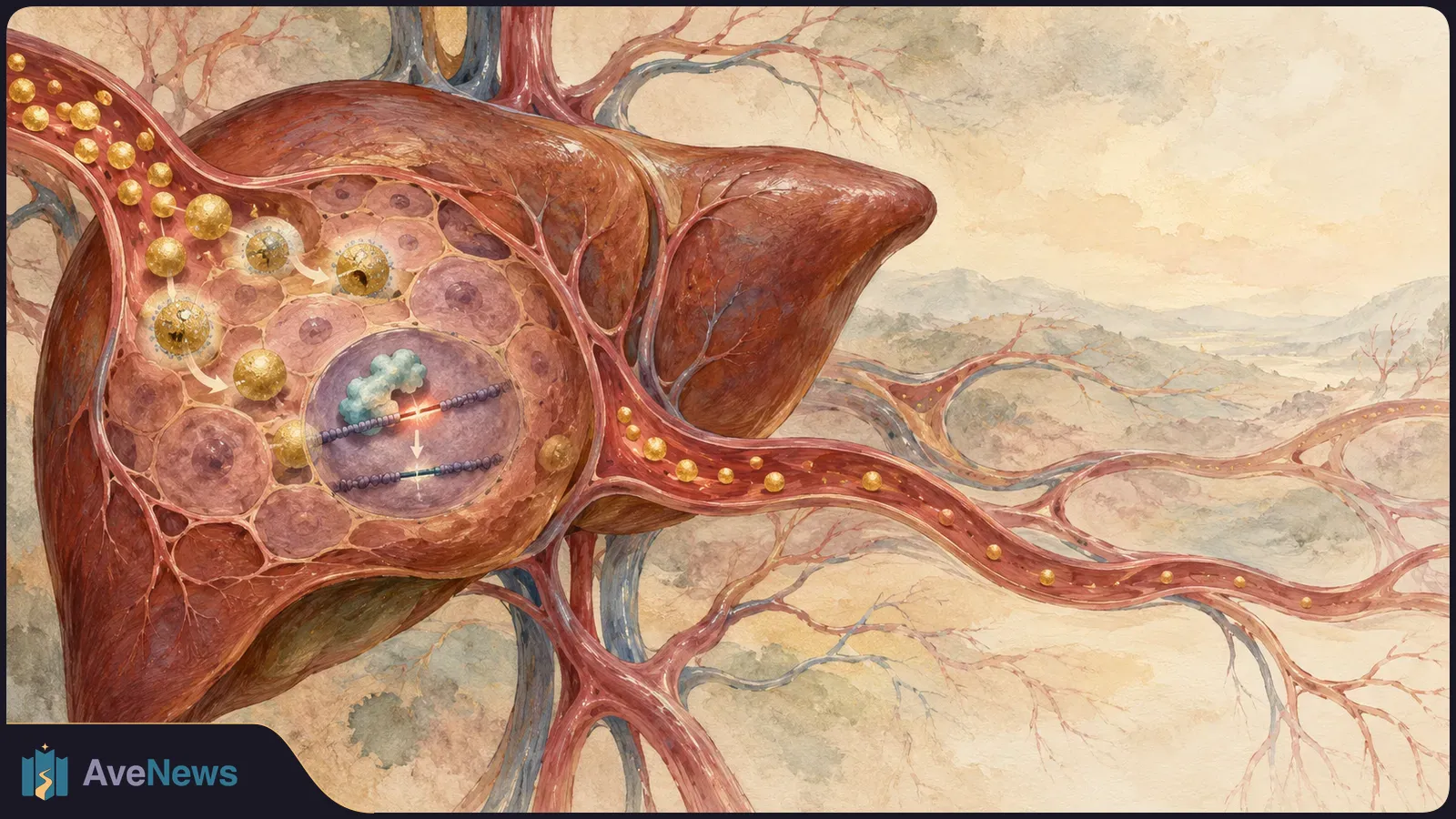
The 15-patient study reported sustained reductions in blood fats after one CTX310 infusion. The treatment remains experimental, and the findings do not establish fewer heart attacks or long-term safety.
2 min

Laboratory results prompted the additional experiment. A four-Martian-day plan left room for its energy demands alongside observations and checks of material left by drilling.
3 min