
DNA challenges family assumptions about shared medieval graves
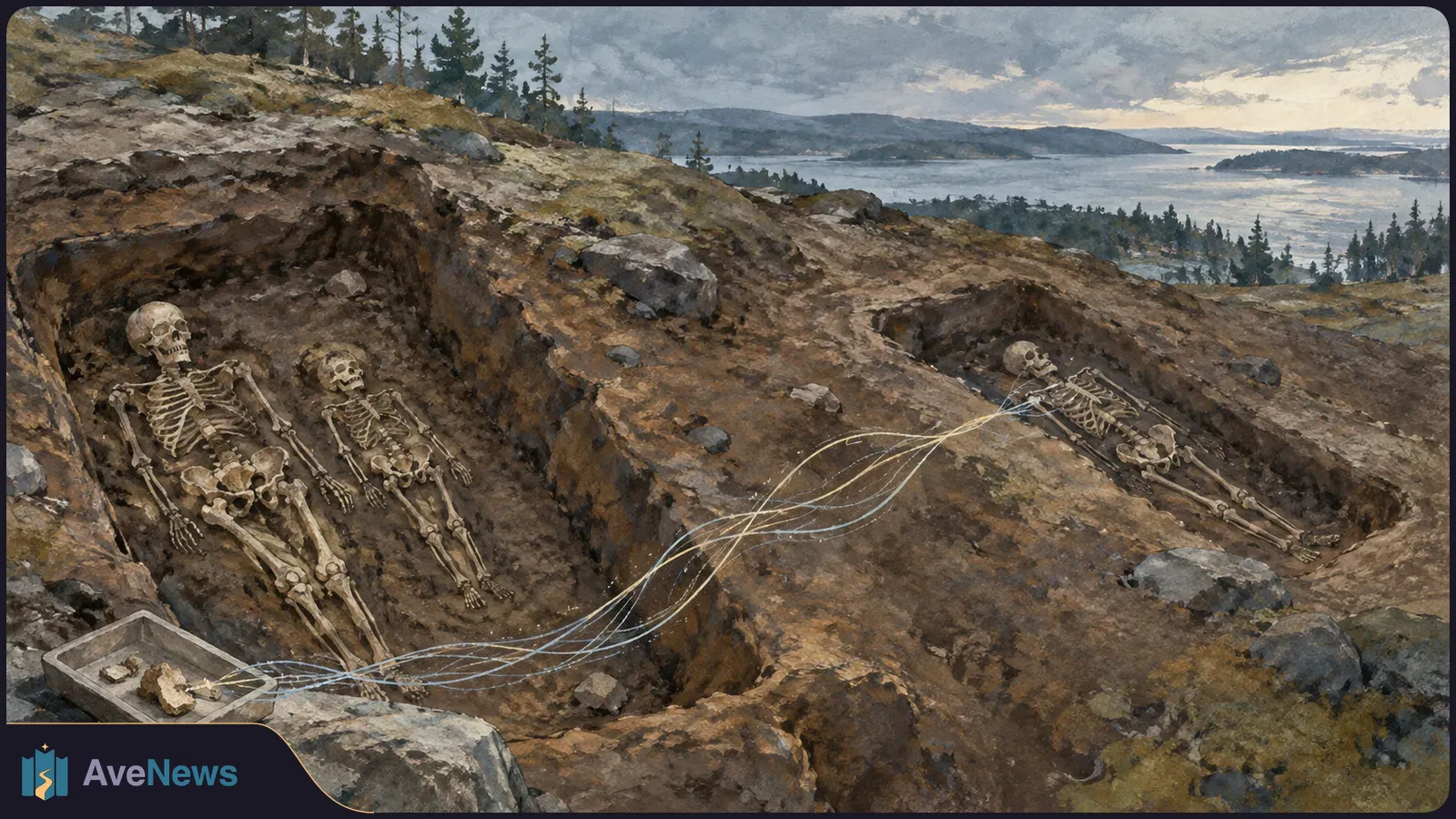
A study of 142 people at three Swedish burial sites found that close relatives rarely shared graves, while children often followed the same burial customs as adults.
A study of 142 people at three Swedish burial sites found that close relatives rarely shared graves, while children often followed the same burial customs as adults.
Ancient DNA also allowed researchers to determine the biological sex of children whose bones were too young for reliable sex identification. That made it possible to compare their burial placement with the patterns seen among adults.
At Västerhus, men and women were generally buried on different sides of the churchyard. Boys and girls followed the same pattern. The researchers interpret this as evidence that children were treated according to the same social and religious principles as adult men and women, rather than as a separate category.
At Västerhus, DNA linked a woman identified as Lady 56 to her parents, her brother and two daughters. Those relatives were buried in different parts of the same cemetery—a concrete example of how biological family connections could extend beyond a shared grave.
Lady 56 was buried with a scallop shell, an unusual object in a medieval Scandinavian grave. The shell was a recognized symbol of pilgrimage to Santiago de Compostela in northwestern Spain. Its presence suggests she may have made that journey, but does not establish that she did.
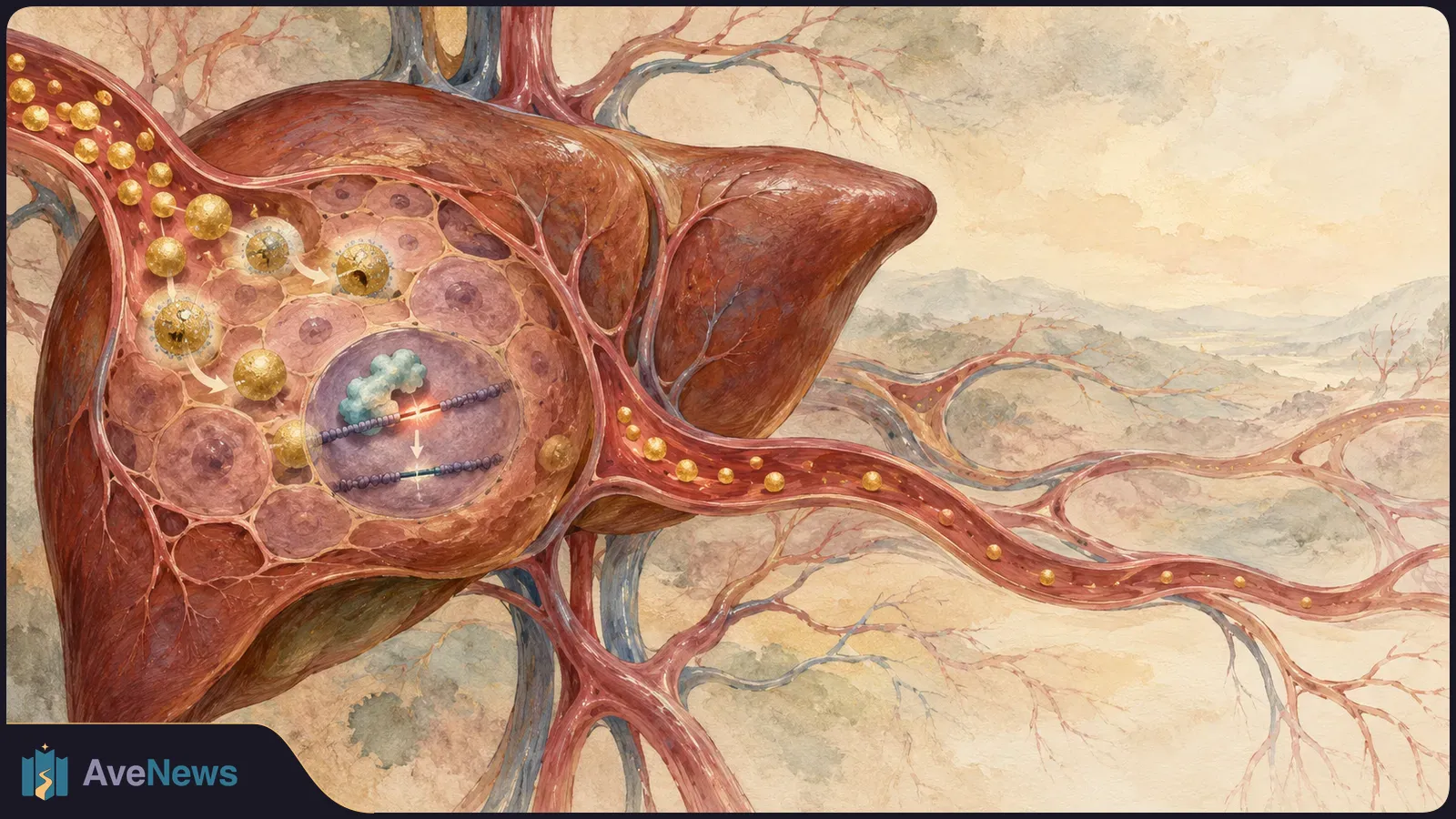
The 15-patient study reported sustained reductions in blood fats after one CTX310 infusion. The treatment remains experimental, and the findings do not establish fewer heart attacks or long-term safety.
2 min

Laboratory results prompted the additional experiment. A four-Martian-day plan left room for its energy demands alongside observations and checks of material left by drilling.
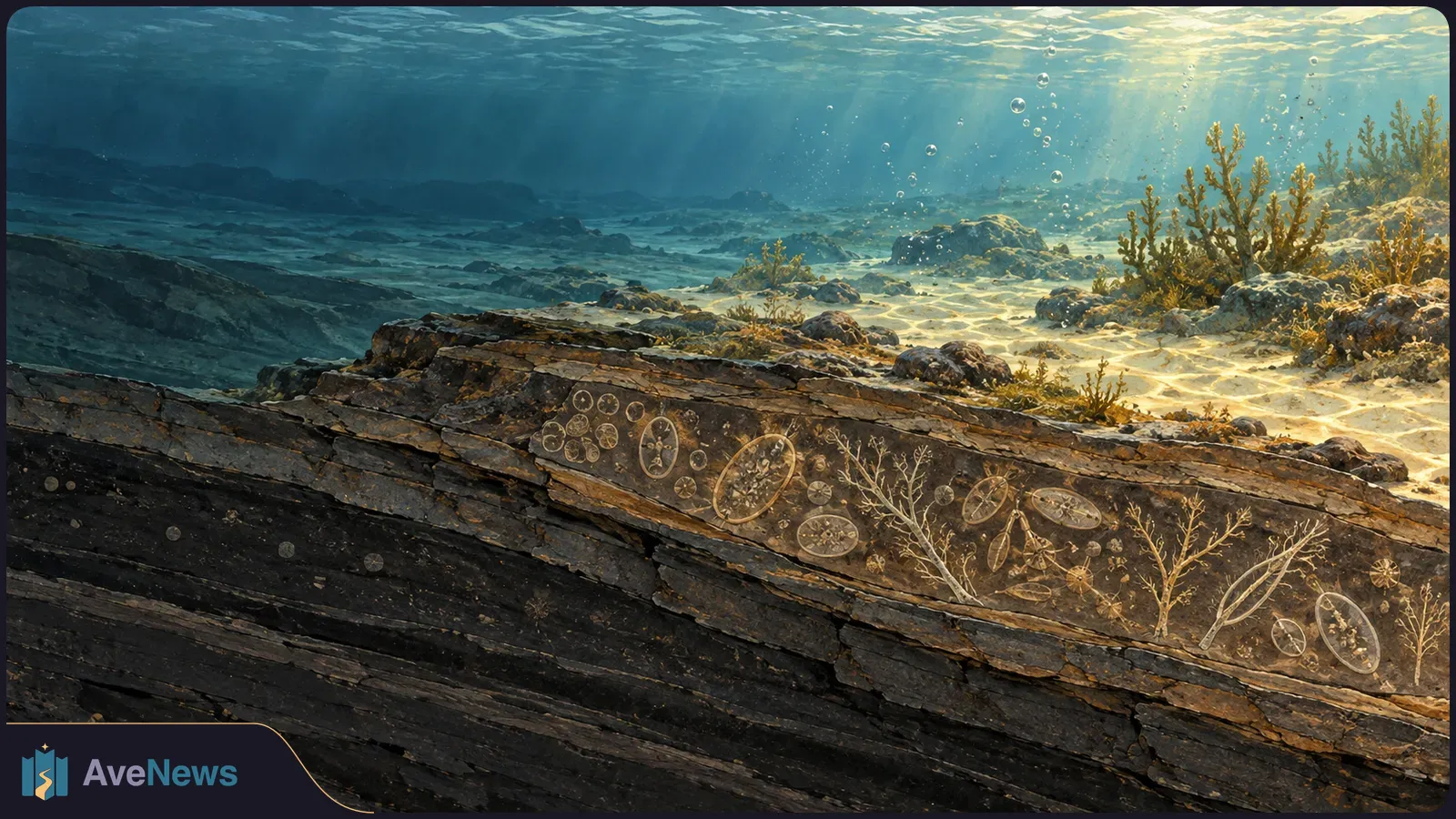
More than 12,000 fossils and rock chemistry support an early need for oxygen, but do not establish that oxygen caused complex cells to originate.
2 min
3 min