
X-ray scans reveal spacecraft heat-shield breakdown
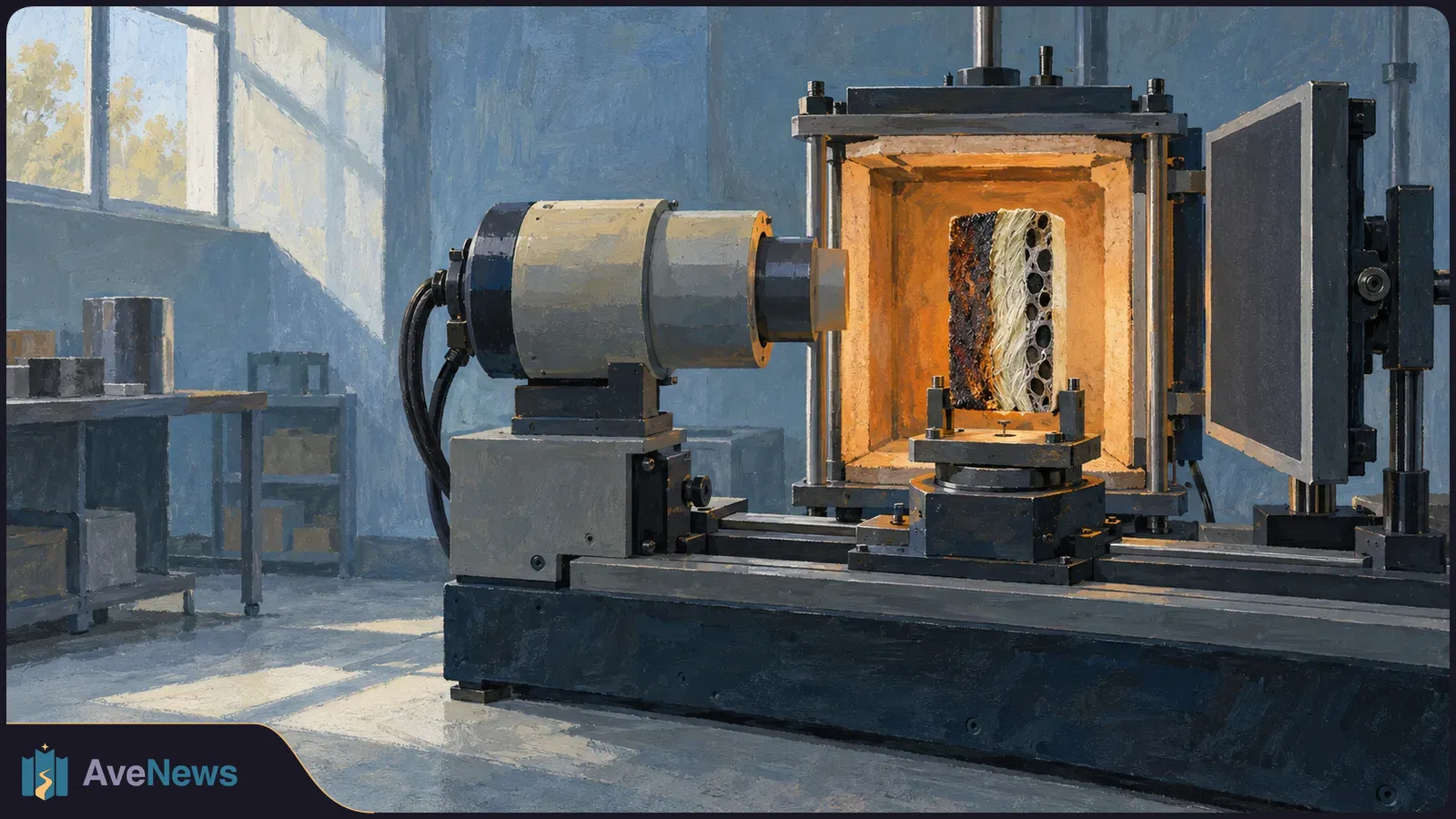
Researchers tracked changes inside samples during heating, but the chamber reproduced only some of the conditions a spacecraft faces during atmospheric entry.
Researchers tracked changes inside samples during heating, but the chamber reproduced only some of the conditions a spacecraft faces during atmospheric entry.
Researchers working with NASA and the Advanced Light Source at Lawrence Berkeley National Laboratory captured three-dimensional changes inside heat-shield samples while the materials were breaking down, Universe Today reports. Researchers typically inspect shields before and after use. Watching the changes during heating reveals how cavities and gas channels form, rather than only what remains afterward.
Breaking down is part of how an ablative heat shield protects a spacecraft. Ablation transfers heat into material that falls away, carrying that heat away from the vehicle. Engineers need to predict how this material loss develops, including whether it happens unevenly.
Universe Today points to the uncrewed Artemis I flight as an example of the prediction problem: its heat shield showed unexpected charring and uneven loss of ablative material despite preflight simulations. The spacecraft nevertheless splashed down successfully in the Pacific Ocean.
Berkeley Lab researchers designed a chamber that heats samples to a maximum of 900°C, which the report identifies as a temperature at which heat-shield material begins to break down. Researchers could also vary the pressure and the mixture of gases surrounding a sample.
Those controls reproduced some atmospheric-entry conditions, not the whole process. Universe Today describes reentry heating of 1,650°C—above the chamber's limit—and says the ability to simulate air velocity appeared to be missing.
Inside the chamber, the samples underwent X-ray micro-computed tomography, or micro-CT. This scanning method produces three-dimensional images of small internal structures, allowing the team to follow changes inside the material as heating continued.
The researchers faced a tradeoff. Highly detailed scans took long enough that changes could happen between images and go unrecorded. Faster scans captured more stages of the breakdown but showed less structural detail.
According to Universe Today, the team addressed this by training a generative adversarial network, or GAN—an image-reconstruction model—to turn rapidly acquired, intermediate-resolution scans into higher-resolution three-dimensional records. The reconstructed images followed the material as it warped, charred and developed cavities. How accurately those reconstructions preserve fine structural details is not yet clear.
The researchers observed distinct internal changes in two heat-shield materials, Universe Today reports. One developed hollow spaces as its cork filler disappeared; the other formed connected channels through which hot gases could vent.
| Material | Composition | Observed breakdown |
|---|---|---|
| SLA-561V | Contains ground cork as a natural filler. | Cork particles vaporized rapidly, leaving hollow cavities. |
| SLA-220 | Has a silicone-elastomer matrix—a rubber-like silicone base. | Formed interconnected, branching microscopic channels that allowed hot gases to vent rapidly through the shield. |
The observations reveal how internal spaces and gas pathways develop during breakdown. Incorporating those findings into predictions of heat-shield behavior remains unfinished: according to Universe Today, the researchers had not yet updated the engineering simulations used to calculate how shields will behave.
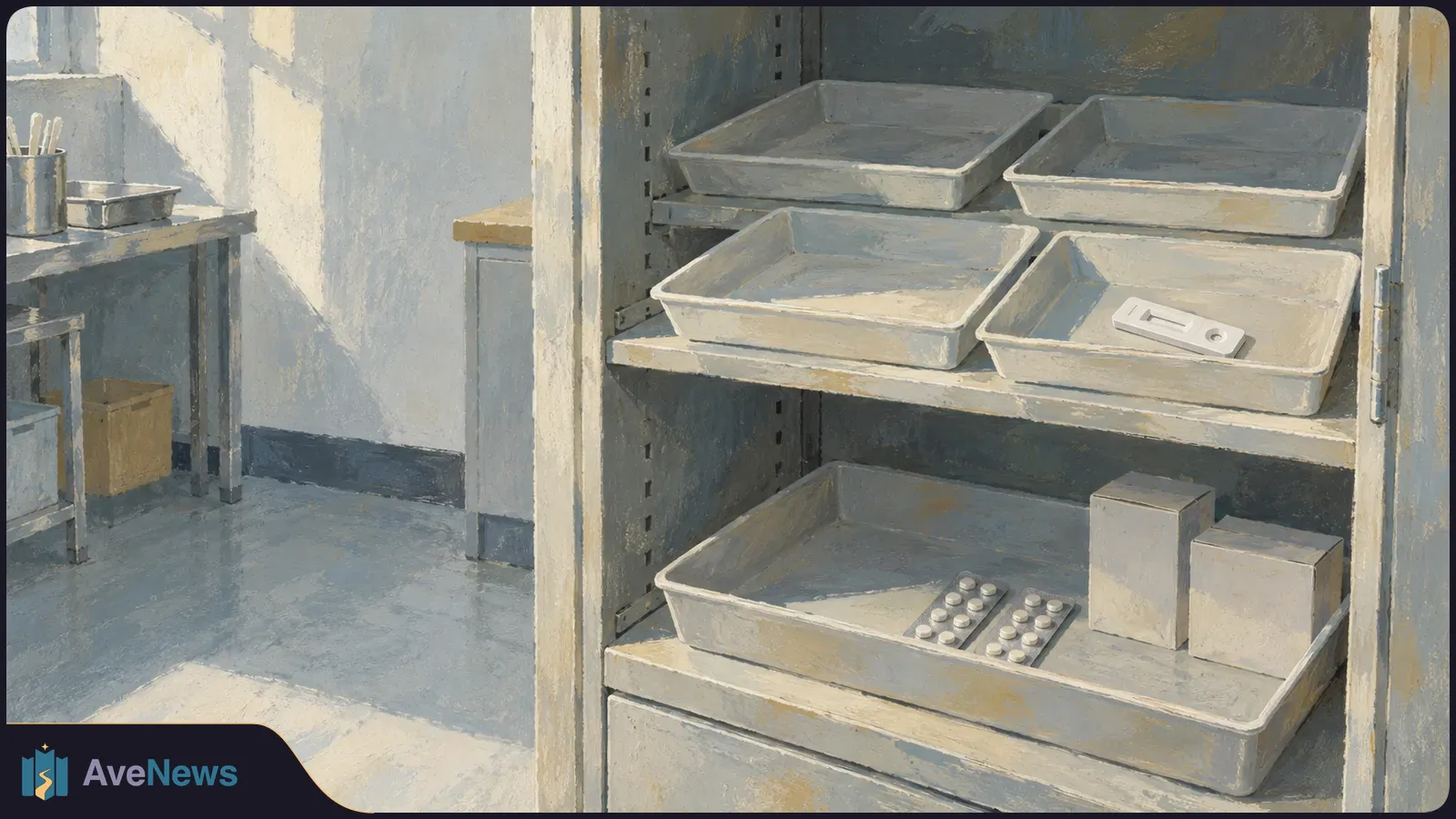
Five responding associations had no rapid HIV tests, while 12 reported low or exhausted supplies of medicines used to prevent infection.
2 min
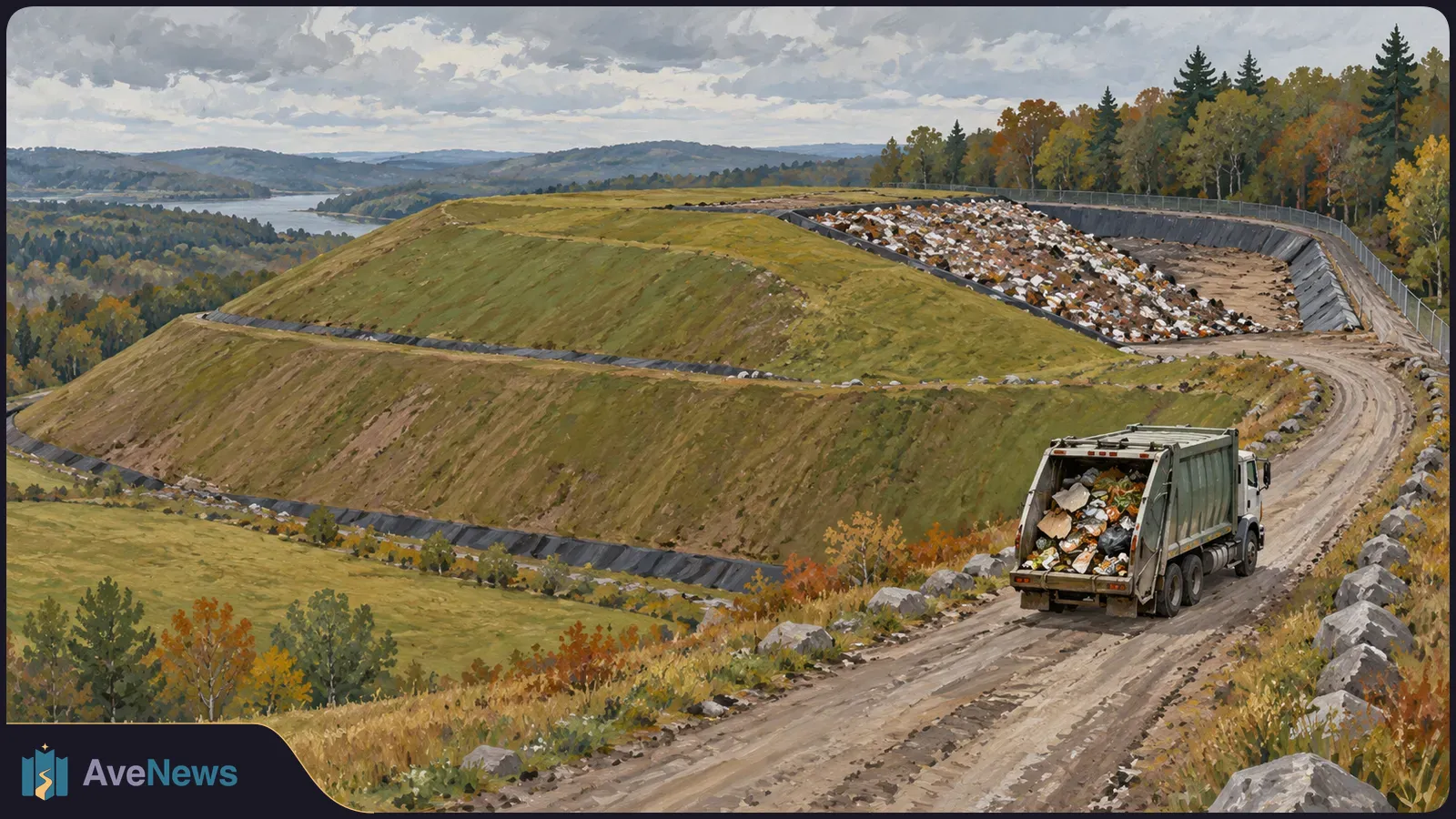
Long permit processes and opposition to expansion limit disposal options, while much of the city's recyclable and compostable waste still goes into the trash.
4 min

Developers’ payments would fund shared conservation projects instead of site-by-site nutrient-neutrality measures. Ecologists question whether the plan would address pollution entering rivers.
2 min
