
Madagascar’s Moon-like rock records a different history
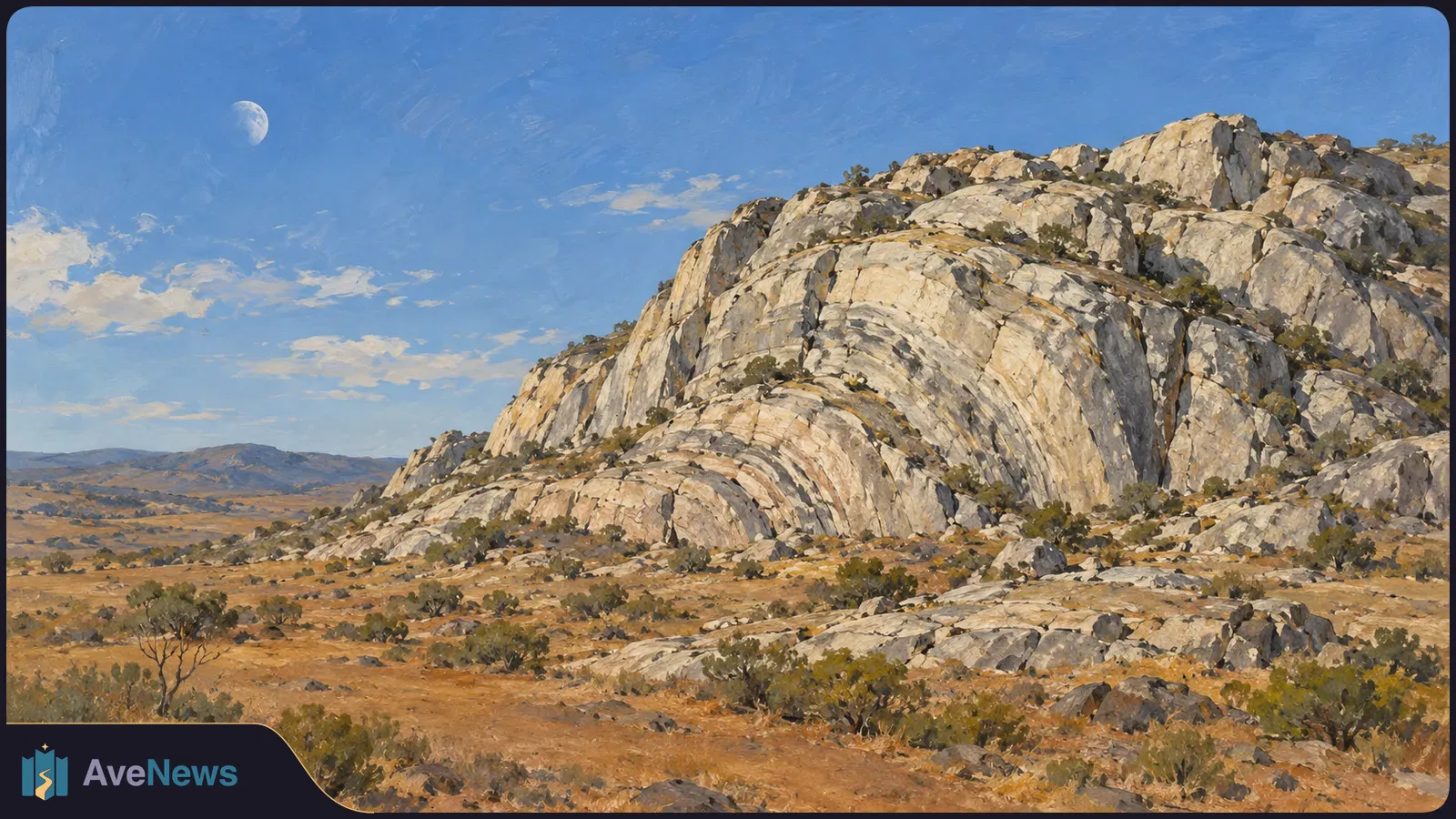
NASA’s Saririaky photograph illustrates how the same rock type can record underground cooling and later deformation on Earth, but crust formation on the Moon.
A bright patch of rock in southern Madagascar shares its rock type with the Moon’s pale highlands, but the two record different geological histories. NASA Earth Observatory published a photograph of the Saririaky anorthosite massif—a large body of rock—on October 5, 2026. An astronaut aboard the International Space Station took the image on August 28.
Anorthosite is an intrusive igneous rock: it forms when magma, or molten rock, cools beneath the surface, producing large mineral crystals. According to NASA, scientists think Saririaky formed in the late Precambrian, at least 600 million years ago. Its exposed rock now covers about 100 square kilometers (40 square miles).
The surrounding rocks record later deformation. NASA reports that researchers have determined Saririaky lies within a ductile shear zone, where rock changed shape under high pressure and temperature. Those conditions altered the rock and produced linear patterns running north–south. Geologists think this happened as pieces of what are now Africa, India, Madagascar, Australia and Antarctica collided to form the supercontinent Gondwana.
Some scientists have proposed that the same deformation pulled another anorthosite massif away from Saririaky. That body lies about 60 kilometers (40 miles) to the north. The proposed separation would have created a large-scale boudinage structure, in which deformation pulls a rock body into separate pieces. This is an interpretation of the massifs’ relationship, distinct from the established finding that Saririaky sits within a shear zone.
On the Moon, anorthosite forms the bright, reflective highlands visible from Earth without a telescope. NASA describes lunar anorthosites as more than 4 billion years old. They crystallized from the Moon’s magma ocean to form its outer crust—a different history from Saririaky’s underground formation and later deformation.
Researchers study comparable rocks on Earth because the lunar material returned by Apollo astronauts is limited. Sharing a rock type does not by itself establish how closely Saririaky matches lunar anorthosite in composition. NASA specifically identifies anorthosites in Montana’s Beartooth Mountains as a particularly close compositional match, making those terrestrial rocks useful for studying the Moon’s past alongside the Apollo samples.
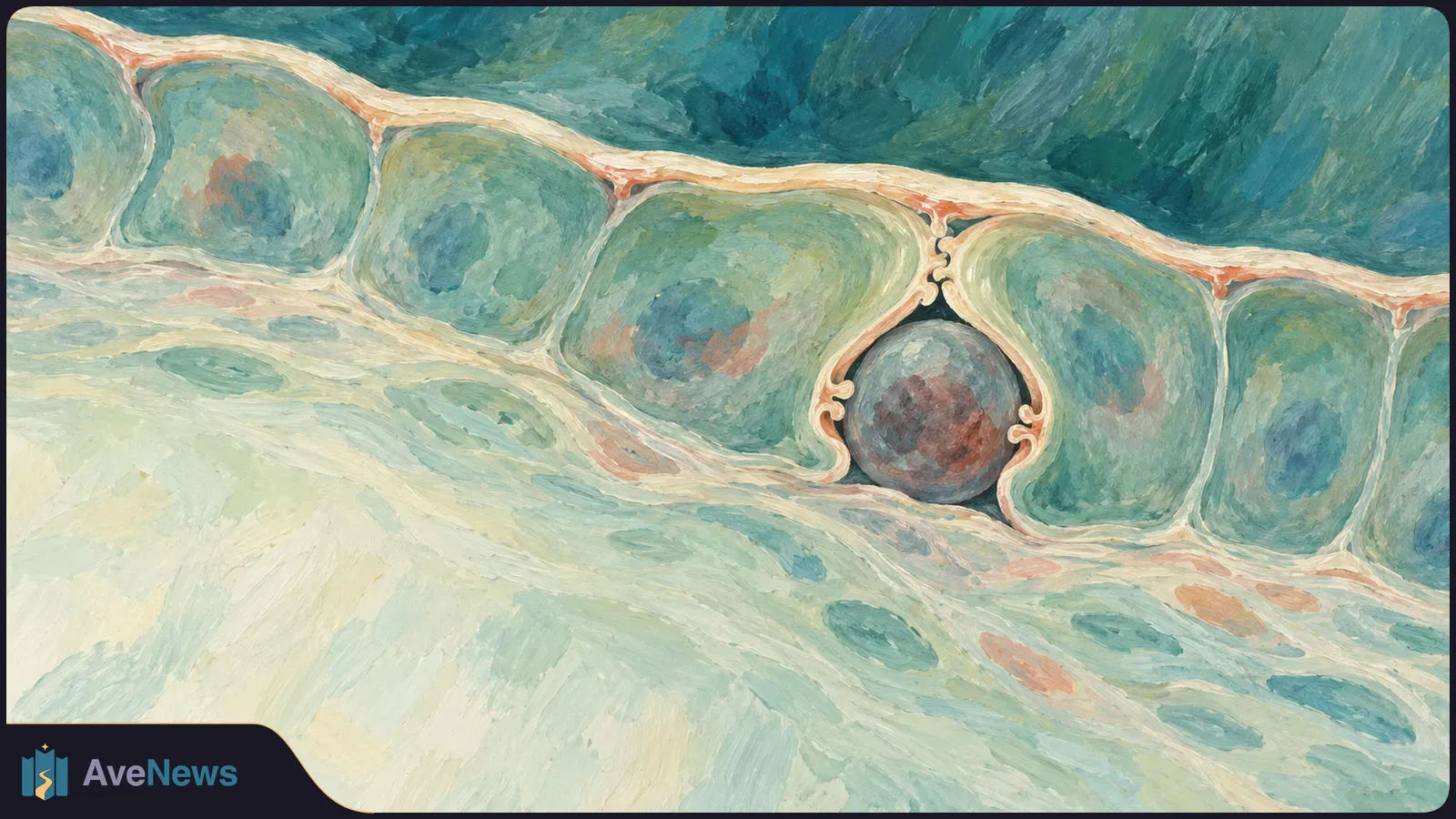
Researchers found that proteins used to join cells also help them engulf dying cells. Experiments in zebrafish and mouse embryos reveal a role for both force and flexibility.
3 min
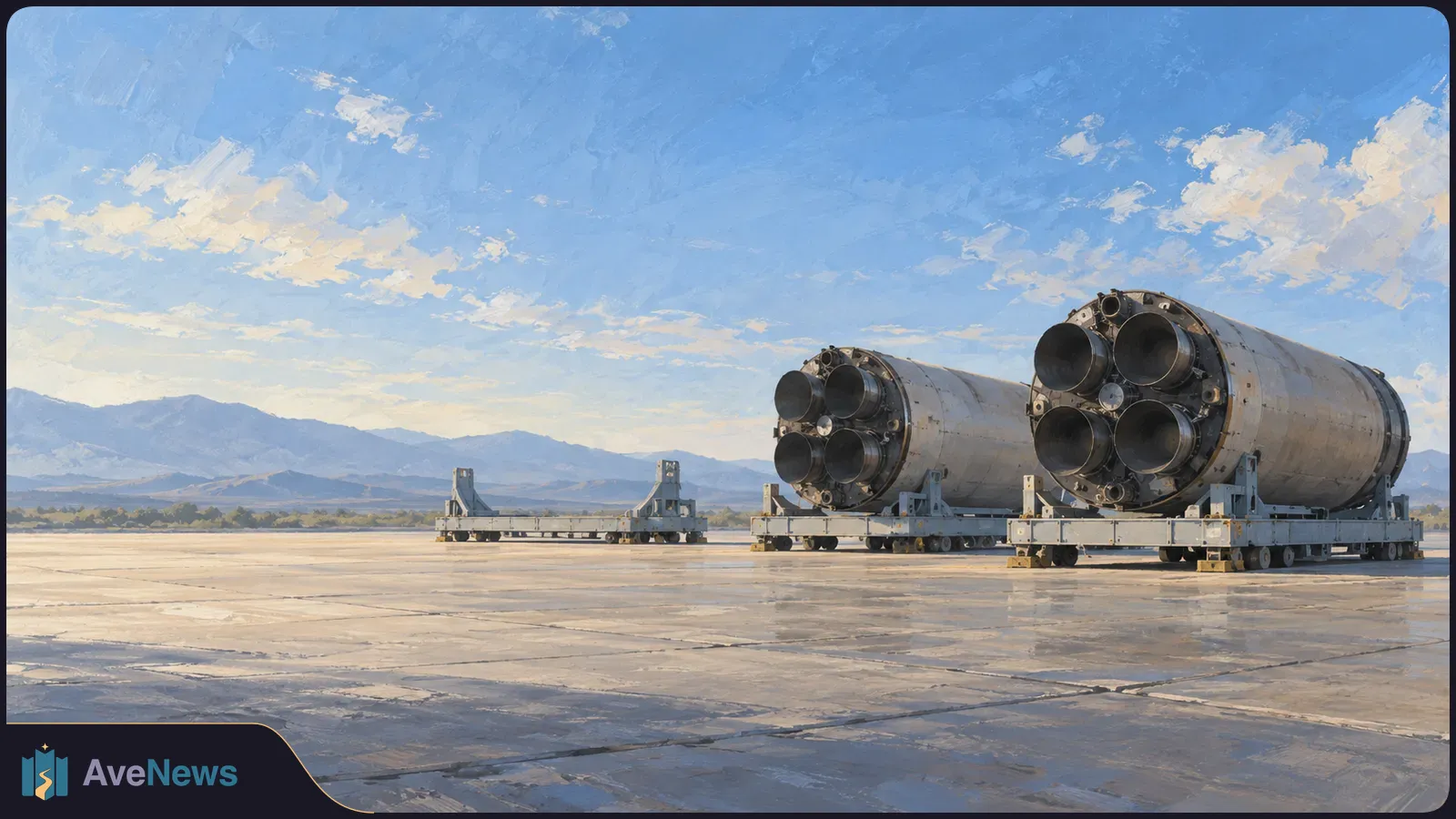
NASASpaceflight attributes the choice to payload mass and the required trajectory. The payload’s mass, identity and exact orbit remain classified.
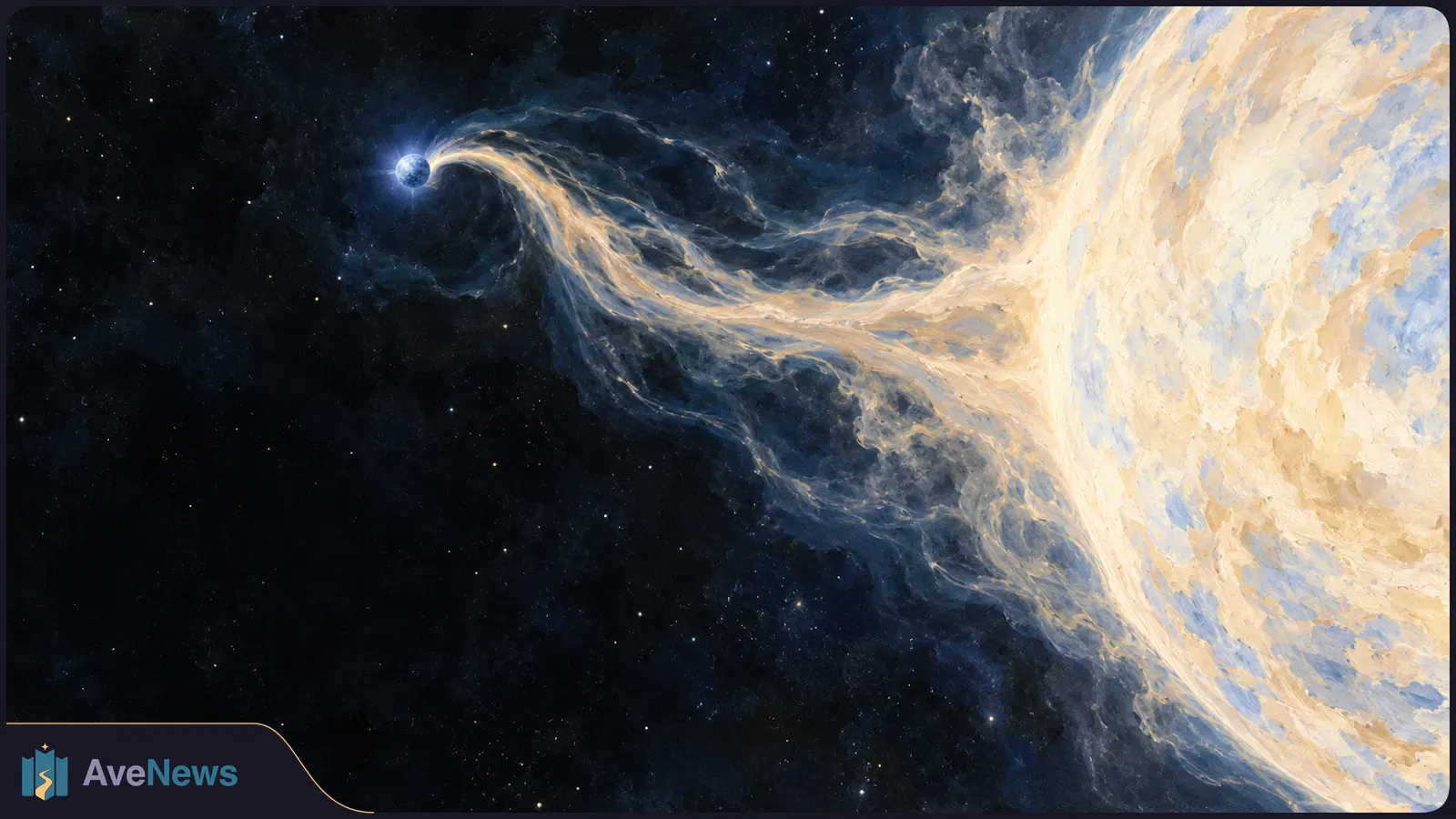
A 16-hour observation of BP Crucis let researchers infer how gas from a giant companion star moves close to a neutron star.
3 min
2 min
