
Medicine regulators urge limits on animal-based batch-release tests
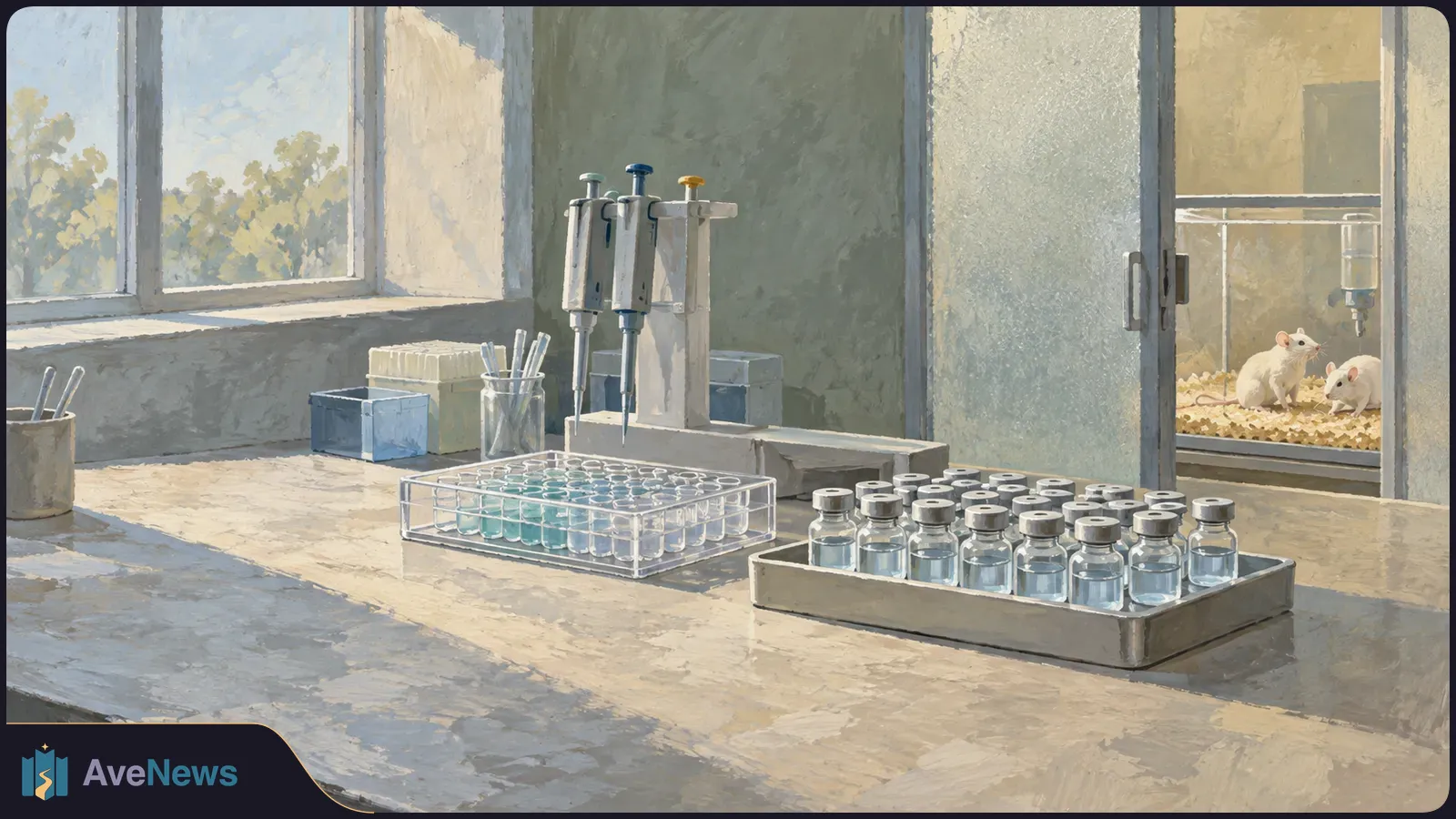
An international coalition recommends stricter conditions for animal testing, but its statement does not itself change national rules.
An international coalition recommends stricter conditions for animal testing, but its statement does not itself change national rules.
The International Coalition of Medicines Regulatory Authorities (ICMRA) has adopted a statement urging stricter conditions for animal-based tests used to release medicine batches. In its October 1 announcement, medicines regulator EMA said it had endorsed the statement.
Batch-release testing means checking a manufactured batch of medicine before it can be released for use. ICMRA recommends that regulators approve animal-based tests for this purpose only when there is scientific justification that no equivalent or superior non-animal method is available. This is a recommendation to regulators, not a change to national testing rules.
ICMRA identifies replacing animal-based batch-release tests as the change that would have the greatest impact on reducing animal use to meet regulatory requirements. It calls on regulators to encourage non-animal tests, challenge proposals to use animals and review existing animal-testing requirements, amending them where appropriate.
The statement’s longer-term goal extends beyond manufacturing checks: replacing animal testing throughout the life of a human medicine, from screening potential medicines and early development to testing before authorisation and activities after approval. For new medicines, ICMRA urges developers to use non-animal methods that regulators can accept while maintaining scientific quality.
The coalition calls for a cautious, stepwise transition. Alternative methods must be scientifically valid, supported by robust evidence and acceptable to regulatory authorities. That requires cooperation between regulators, medicine developers and those developing alternatives.
Countries and regions will accept non-animal methods at different paces, the statement acknowledges. EMA says meaningful reductions in animal use depend on international acceptance because medicines are developed and regulated globally. ICMRA therefore encourages regulators and manufacturers to align their approaches as much as possible.
EMA reports that the annual number of animal uses for pharmaceutical regulatory purposes approximately halved between 2015 and 2023. It is not yet clear when individual regulators will change their requirements or which additional non-animal tests they will accept.

Parliament seeks a longer pause than the European Commission’s earlier one-year proposal. Some obligations could move to 2030 if other EU institutions agree, but the vote itself does not change legal deadlines.
3 min

Officials linked at least 32 deaths mainly to measles and malaria, possibly worsened by malnutrition and delayed care. Individual causes remain uncertain.
4 min

A galaxy cluster bends the explosion’s light along different paths. The timing of another image could help astronomers work out how the cluster’s mass is distributed.
2 min
