
How MEGATRON links Webb’s galaxies with ancient-star chemistry
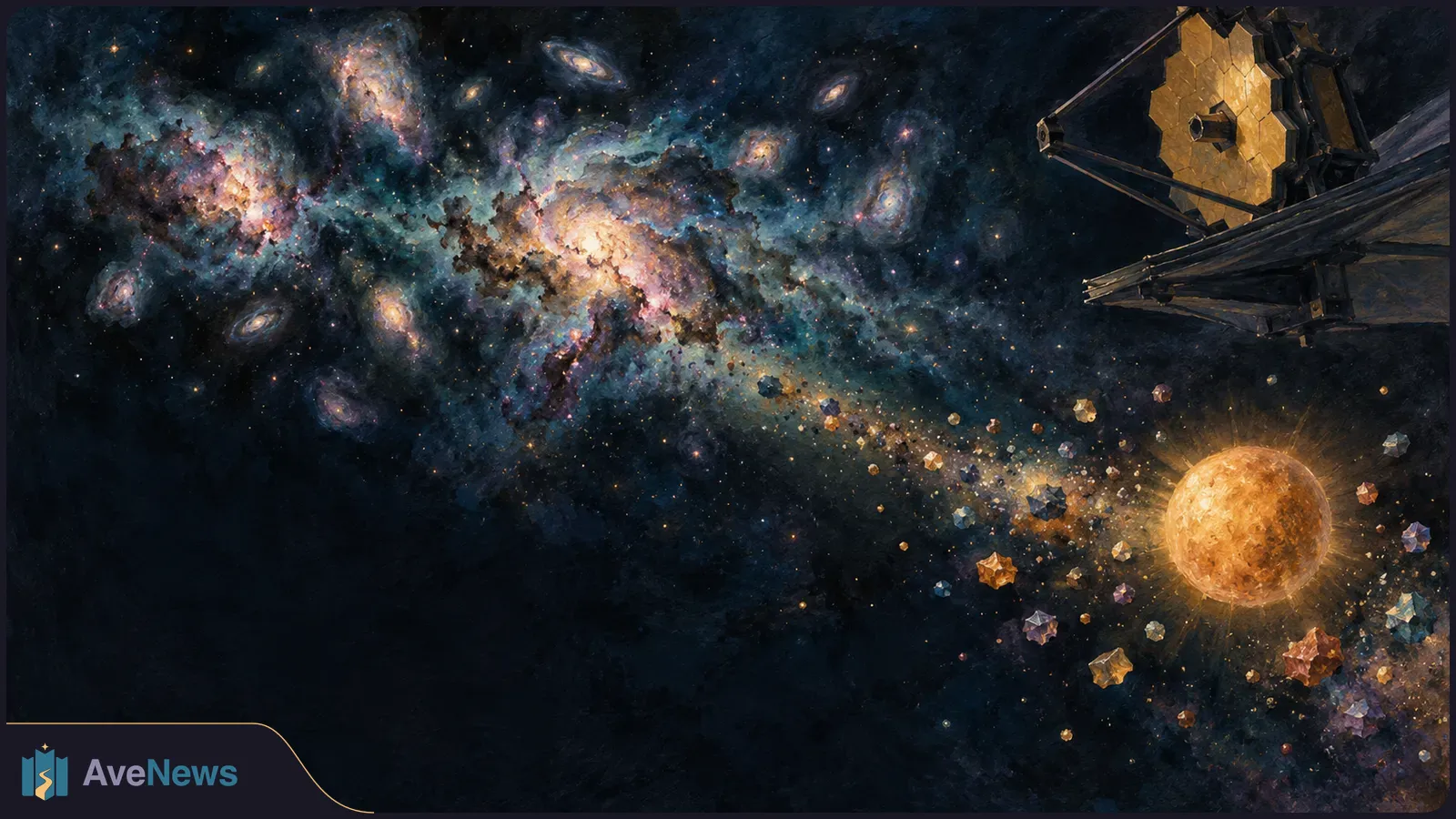
Four studies follow gas, starlight and newly made elements to help interpret two different records of the first stars.
The MEGATRON project is modeling how the first stars changed surrounding gas and produced new chemical elements. Its purpose is to help astronomers interpret two different records of that history: early galaxies observed by the James Webb Space Telescope and chemical traces preserved in ancient stars.
According to ScienceDaily’s October 3 report, four studies published in the Open Journal of Astrophysics form the collaboration’s first major collection of results. Researchers at the University of Bath in the UK lead the project, working with colleagues at the University of Chicago in the US and the Institut d’Astrophysique de Paris in France.
Webb directly observes young galaxies from the Universe’s infancy. Ancient stars in and around the Milky Way—the galaxy containing our Solar System—provide a different kind of evidence. Their chemical composition preserves clues about earlier stars and the elements those stars spread into their surroundings.
Studying those surviving chemical clues is called stellar archaeology. Astronomers use them to infer what the first stars were like, rather than observing those first stars themselves. Martin Rey, a Bath physics researcher and lead contributor to MEGATRON, describes the simulations as a common physical framework for comparing ideas about the first stars with both records.
The simulations start with gas containing no heavy elements, representing conditions shortly after the Big Bang. They then follow the formation of the first stars, the radiation those stars release and supernovae—stellar explosions at the ends of their lives. The models track how newly created elements spread into later generations of stars and galaxies.

Downtown Los Angeles is forecast to approach 100°F, with hotter conditions inland, raising concerns about heat illness and wildfires.
MEGATRON follows a young galaxy as it develops toward a system roughly comparable in mass to the Milky Way. It calculates gas movement, the travel of starlight and changing concentrations of chemical elements at the same time. That lets researchers investigate how successive generations of stars alter gas inside and around galaxies over billions of years.
This sequence connects the conditions in early galaxies with the chemical composition of later stars. Rey says comparing the simulations with both Webb observations and ancient-star chemistry can help test explanations for how stars produced and dispersed elements such as carbon, oxygen and iron.
Analysis
The researchers report that their detailed simulations capture structures in gas that simpler approaches can miss. Their results also indicate that less detailed models may underestimate how strongly stellar radiation and complex chemical processes affect gas surrounding galaxies. Those differences matter because the modeled gas and element concentrations inform predictions that astronomers compare with observations.
MEGATRON offers a way to interpret and test the two records, not an observationally confirmed reconstruction of the first stars’ history. Rey and his Bath colleagues are working on the next generation of simulations, aiming for greater detail and more complete physical models so they can make more direct comparisons with Webb observations and ancient stars’ chemical records.
2 min
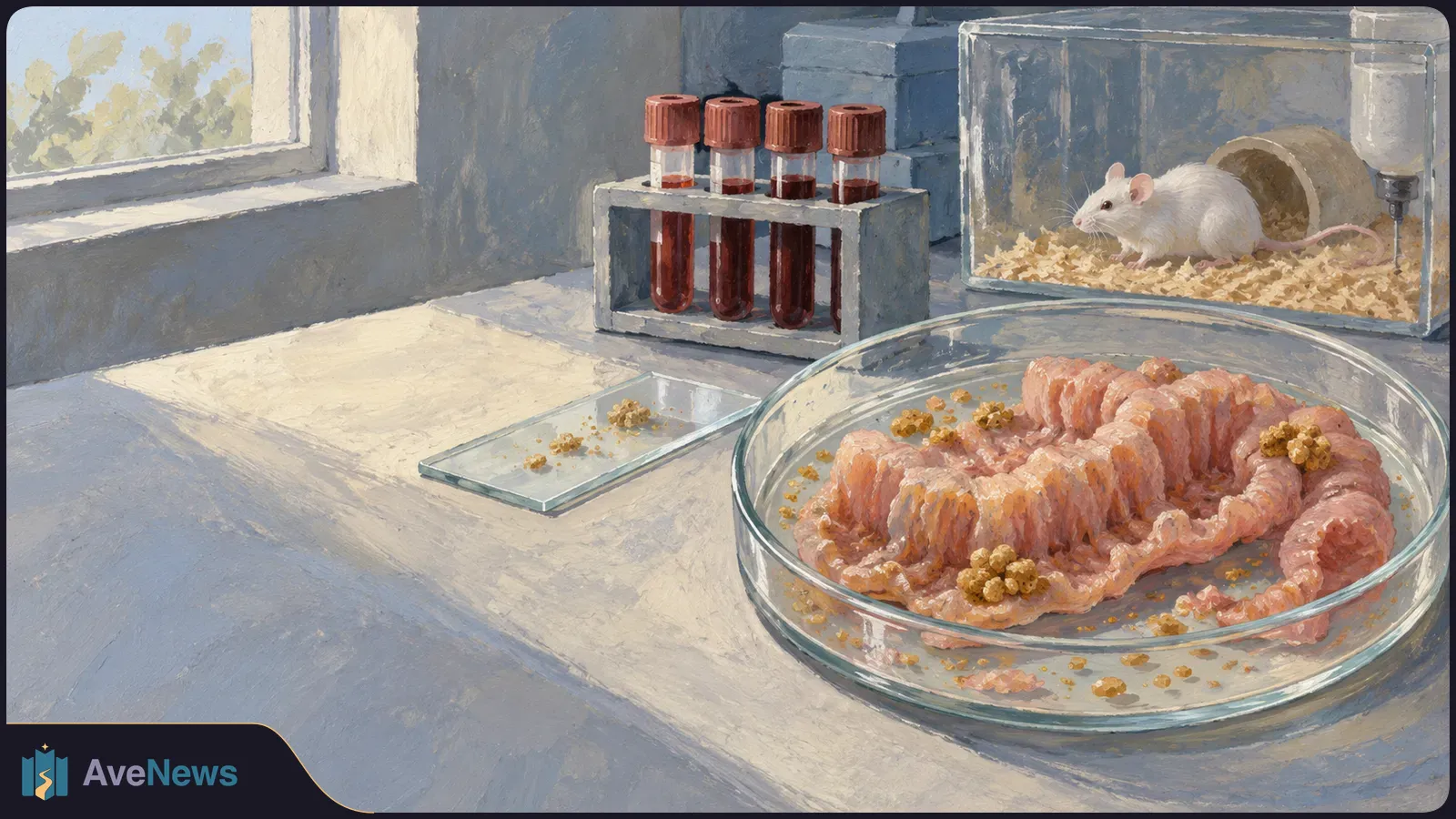
Mouse experiments and blood samples from almost 1,200 people suggest a possible research target, but do not establish a human cause or an effective treatment.
3 min
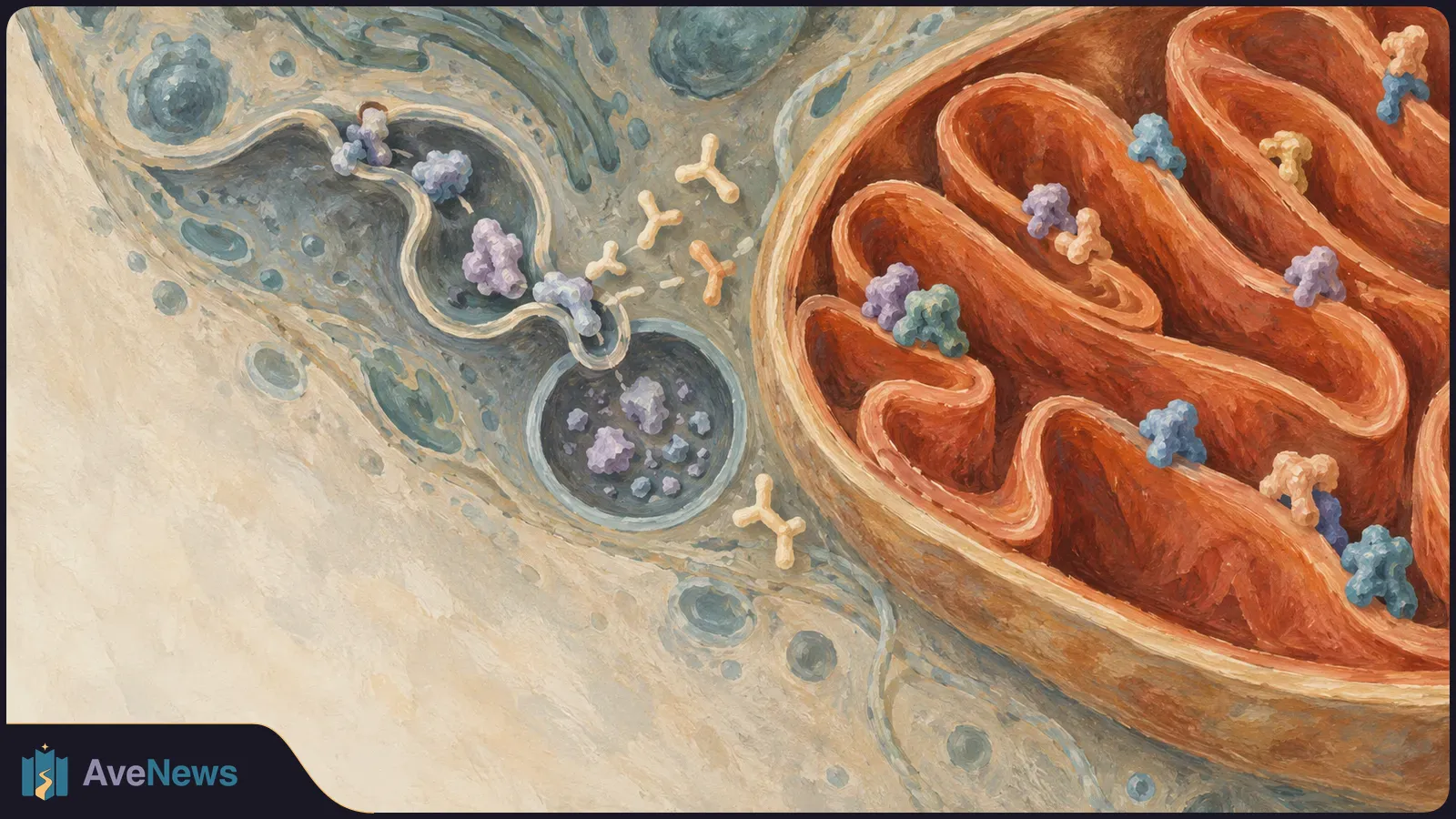
The amino acid appears to slow the removal of proteins that support cellular energy production. The same quality-control system also helps clear damaged proteins.
2 min