
Meta plans US–France cable designed to double data capacity
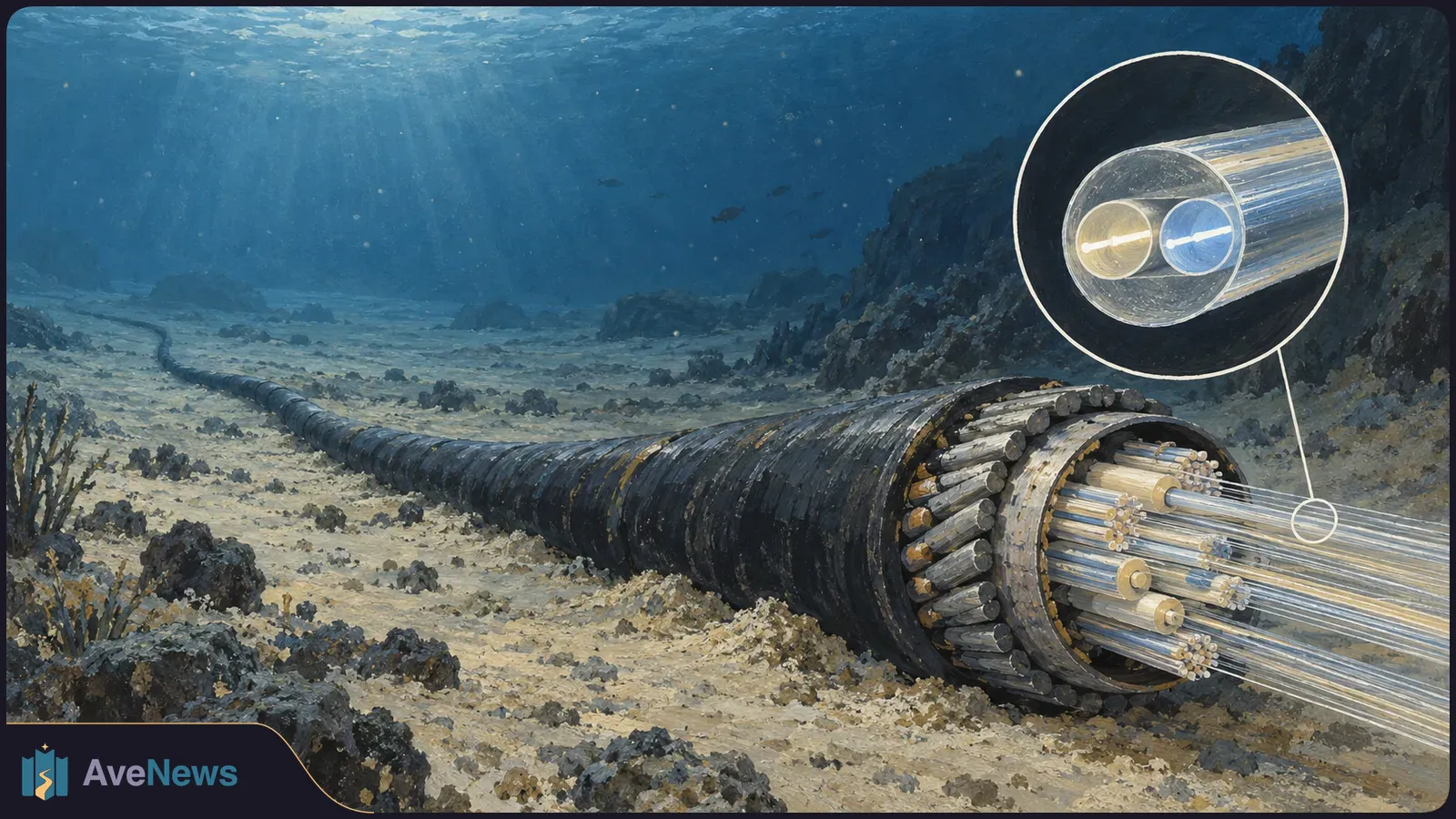
Petal would put two light paths in each fiber strand. Meta expects the roughly 4,300-mile subsea link to enter service in 2029.
Petal would put two light paths in each fiber strand. Meta expects the roughly 4,300-mile subsea link to enter service in 2029.
Meta announced Petal on September 21, a planned roughly 4,300-mile subsea cable connecting the United States and France. The company says the link will carry twice as much data as today’s most advanced cables crossing an ocean. Fortune reported on October 3 that Meta expects Petal to enter service in 2029.
The proposed capacity matters because services such as Meta’s superintelligence products depend on moving large volumes of data between the company’s data centers and users worldwide. Petal is part of the infrastructure intended to carry that traffic, rather than a new service for users.
Optical fiber carries data as light. Meta says Petal will use two-core fiber, which places two light paths inside each strand. According to the company, this design lets the cable double capacity without a proportional increase in power or physical infrastructure.
Meta’s announced target is 1 petabit per second, a data-transfer rate equivalent to about 125,000 gigabytes per second. The company also claims Petal will be the first cable to deliver petabit-scale capacity across an ocean. These claims describe the planned system, not measured performance in service. How much power Petal will use is not yet clear.
Petal is being developed with Japan’s NEC and Sumitomo Electric Industries. French telecommunications company Orange is handling the cable’s landing on France’s Atlantic coast—the point where the undersea link reaches shore.
Meta says it has invested in more than 20 subsea cable projects over the past decade, together reaching every continent except Antarctica. Petal would add a higher-capacity Atlantic connection to that wider network. Meta has not disclosed Petal’s cost; its expected service date remains 2029.

The investigation describes tailored phishing and a Windows backdoor that uses Outlook and OneDrive for remote commands and file transfers.
3 min

Accounts of a reverted game build and lengthy grievance letters explain how generating material quickly can leave programmers and HR staff with more checking to do.
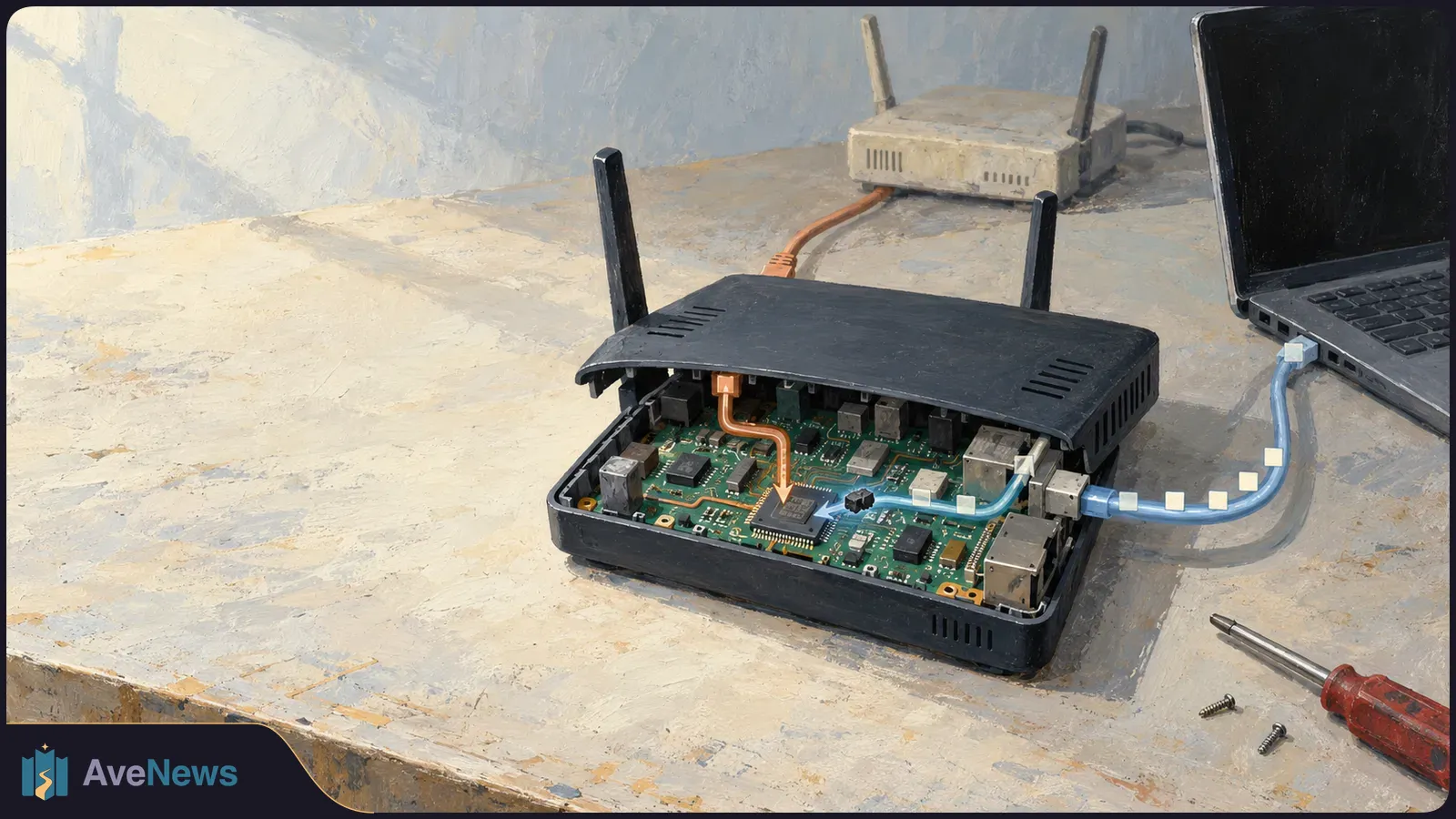
One flaw involves malicious configuration files imported into a router. The other may let a logged-in attacker run commands with full administrator privileges.
3 min
3 min
