
NASA profile describes screening instrument proposals against knowledge gaps
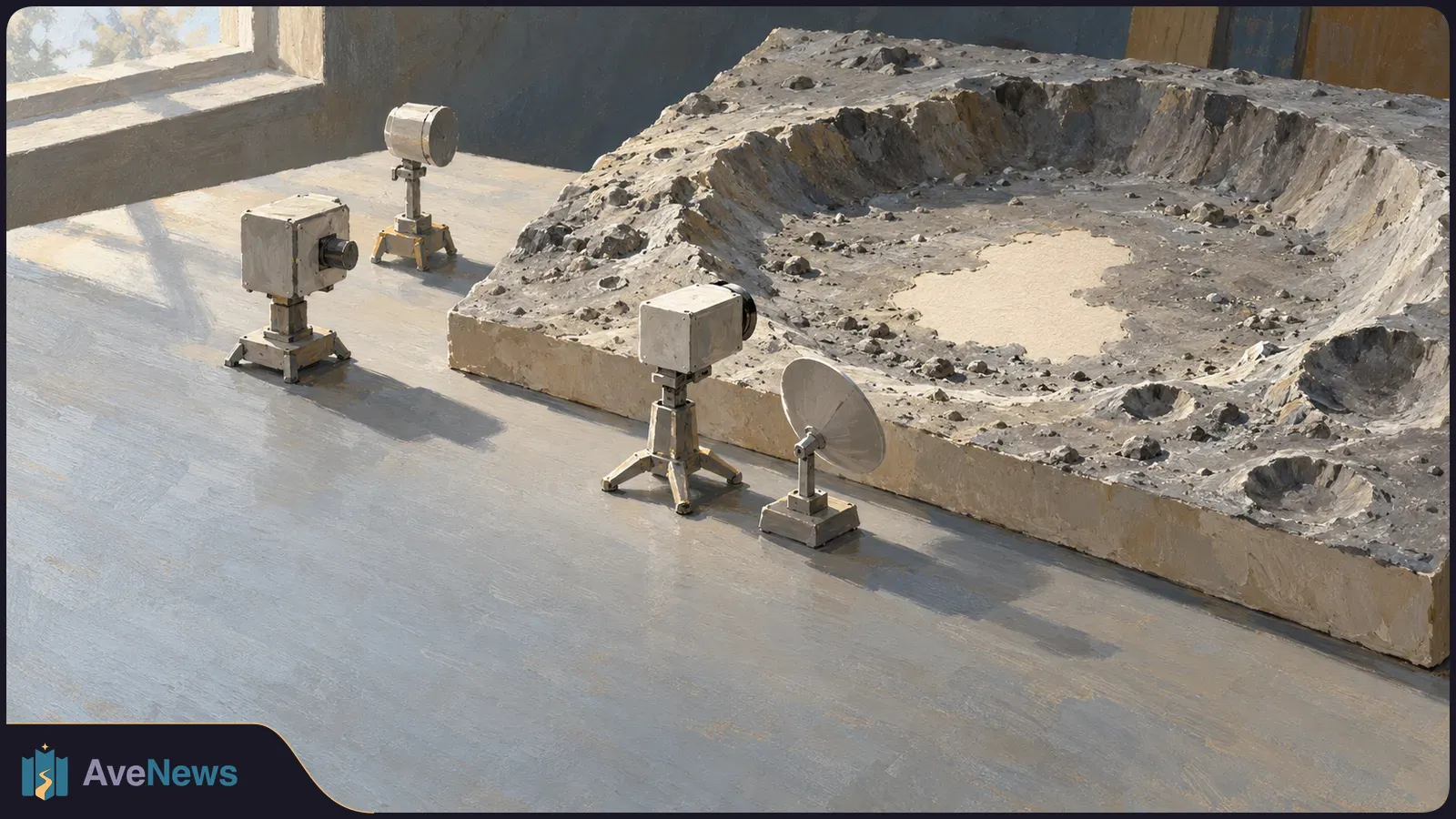
Engineer Richard Spolzino explains how documented unknowns help assess proposed instruments and prioritise data sent back from the Moon.
Engineer Richard Spolzino explains how documented unknowns help assess proposed instruments and prioritise data sent back from the Moon.
NASA leadership is asking companies proposing new instruments to show which published knowledge gap their proposal would address before discussions go further, according to NASA’s October 4 profile of aerospace engineer Richard Spolzino, the sole source for this account. Spolzino says this matching process helps determine which proposals advance as candidates to fly.
Spolzino has spent recent months assessing proposed instruments, sample collection tools and technology demonstrations against the published gaps. Some proposals address a documented need; others do not align with anything NASA has identified as missing, he says. It remains unclear whether this screening is a formal policy, when it began or which instruments have advanced through it.
Spolzino works at NASA’s Langley Research Center in Hampton, Virginia, helping identify missing knowledge about the Moon and Mars. He describes a data gap as a formal record of what is unknown, why it matters, where existing information falls short and a specific measurable target that industry and international partners can work toward.
One example is lunar regolith, or Moon dust. Engineers need to know how much weight it can bear and its shear strength—how well it resists forces that make material slide. Those properties affect how far a rover can safely drive and whether a habitat’s foundation will hold, the profile explains.
The team started with roughly 25 published data gaps in 2025 and was on track to reach 60 by the end of 2026, according to the profile.
Spolzino describes a different use of the gaps during preparations for the upcoming Griffin-1 lunar lander mission. The instruments were already fixed, so his team did not help select them. Instead, the team helped prioritise which data to send back to Earth first because the communications link could not carry everything at once.
In that case, the decision concerned the order in which measurements would reach Earth, rather than what equipment would fly. Whether the prioritisation improves mission performance remains unclear.

In Victoria’s mountain ash forest, clearing favoured regeneration, while researchers say heavy thinning produced larger retained trees and recovered wood carbon over 30 years.
3 min

Nearly all the commercial fleet uses marine diesel. Fishermen also report slower regulatory responses and remain uneasy about trade ties with Canada.
2 min
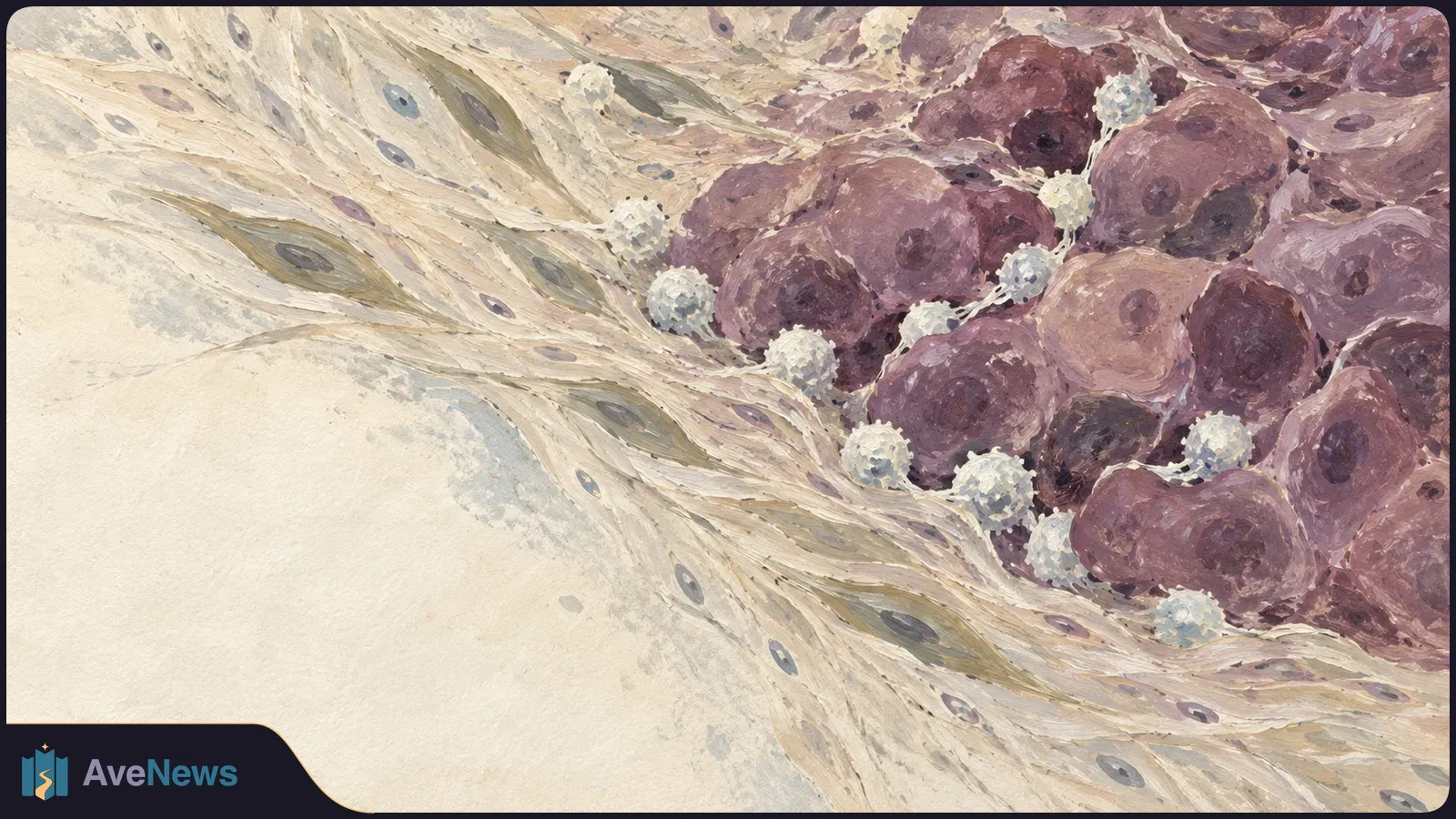
Researchers tested paricalcitol alongside chemotherapy in 36 patients. The findings support further study of the drug, but do not establish a survival benefit.
3 min
