
Pancreatic cancer trial finds changes in tumor-supporting cells
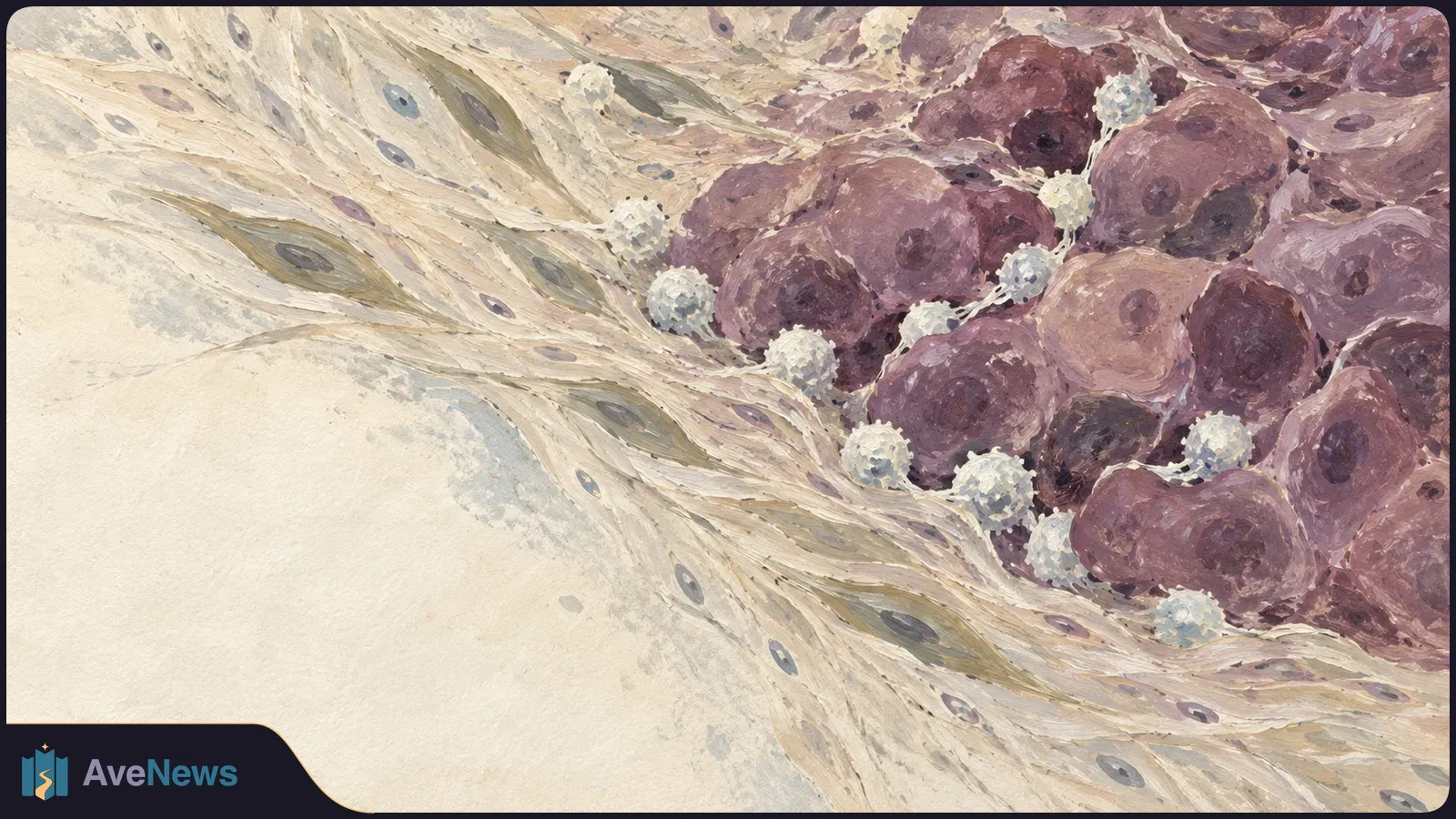
Researchers tested paricalcitol alongside chemotherapy in 36 patients. The findings support further study of the drug, but do not establish a survival benefit.
Researchers tested paricalcitol alongside chemotherapy in 36 patients. The findings support further study of the drug, but do not establish a survival benefit.
In a randomized trial of 36 people with pancreatic cancer that had spread to other parts of the body, researchers reported that adding paricalcitol to chemotherapy reduced activation of connective-tissue cells called fibroblasts inside tumors. More T cells, a type of immune cell, also entered the tumors. The Dana-Farber Cancer Institute-led study was published in Nature Cancer, ScienceDaily reported.
The findings support further testing of a treatment that changes the tissue surrounding cancer cells rather than targeting only the cancer cells themselves. The trial primarily tested safety: it was not designed to establish whether paricalcitol makes chemotherapy more effective or helps patients live longer.
Pancreatic tumors are often surrounded by dense connective tissue rich in fibroblasts. This tissue can make it harder for chemotherapy drugs to reach cancer cells. It can also limit the immune system’s ability to attack the cancer.
Earlier laboratory research at the Salk Institute found that activating the vitamin D receptor could reduce fibroblast activation in pancreatic cancer models, alongside stronger responses to chemotherapy. This receptor responds to vitamin D and influences cell behavior by switching genes on or off. The researchers’ aim is to make the surrounding tissue less protective of the tumor, potentially allowing other treatments to work better.
The participants had previously untreated metastatic pancreatic cancer—cancer that had spread beyond the pancreas. They were randomly assigned to receive the chemotherapy drugs gemcitabine and nab-paclitaxel with either a placebo, oral paricalcitol or intravenous paricalcitol.
Paricalcitol is a vitamin D analog, a synthetic drug modeled on vitamin D, not an ordinary vitamin supplement. Its existing US Food and Drug Administration approval is for preventing and treating secondary hyperparathyroidism—excess production of parathyroid hormone—in people with chronic kidney disease. Its use against pancreatic cancer remains experimental.
Researchers took tumor biopsies, or tissue samples, at study entry and again after four to six weeks of treatment. They used multiplex immunofluorescence, which uses fluorescent markers to examine several cell features at once, and spatial transcriptomics, which maps gene activity within tissue.
The biopsy analysis found reduced fibroblast activation, not fewer fibroblasts overall, and increased entry of T cells into tumors. Researchers interpreted these changes as evidence that paricalcitol could alter the tumor microenvironment—the cancer cells’ surrounding cells and tissue—in a way that makes it less protective.
Researchers reported that the drug could be given safely with chemotherapy overall. However, five of the 12 patients receiving oral paricalcitol developed elevated blood calcium. The researchers managed this side effect by reducing the dose.
Analysis
Researchers also observed more partial responses—tumor shrinkage short of a complete response—in the paricalcitol groups. These were exploratory observations from a small safety trial, not proof that adding the drug improves treatment outcomes.
| Added treatment | Patients | Partial responses | Patients without disease progression at one year |
|---|---|---|---|
| Paricalcitol | 24 | 10 | 5 |
| Placebo | 12 | 1 | 0 |
Vitamin D receptor levels varied among tumors. Researchers observed that patients with high receptor levels who received paricalcitol responded better to chemotherapy and had the longest overall survival. That association does not establish that receptor levels reliably predict who will benefit.
The researchers say larger trials are needed to test whether adding vitamin D analogs to chemotherapy or other treatments improves survival. Those studies would also need to establish whether receptor levels measured before treatment can help identify patients most likely to benefit.

The comparison involved 493 adults in a structured weight-management program. Its results do not prove that the drinks have equivalent effects or establish comprehensive safety.
3 min
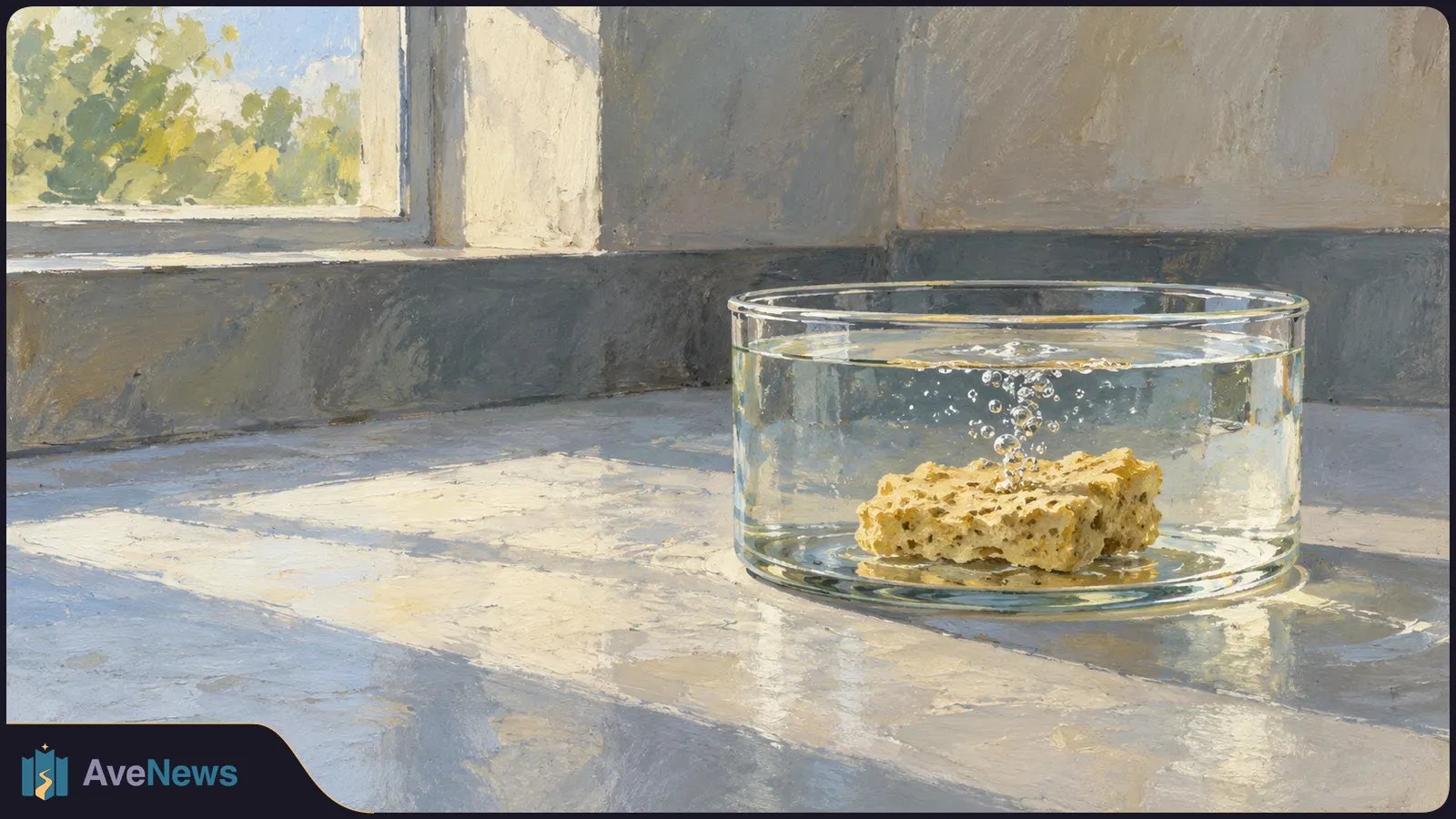
The BVR-19 material uses sulfur-containing organic building blocks to produce hydrogen from water, the researchers say. Its efficiency, durability and practical costs remain unclear.
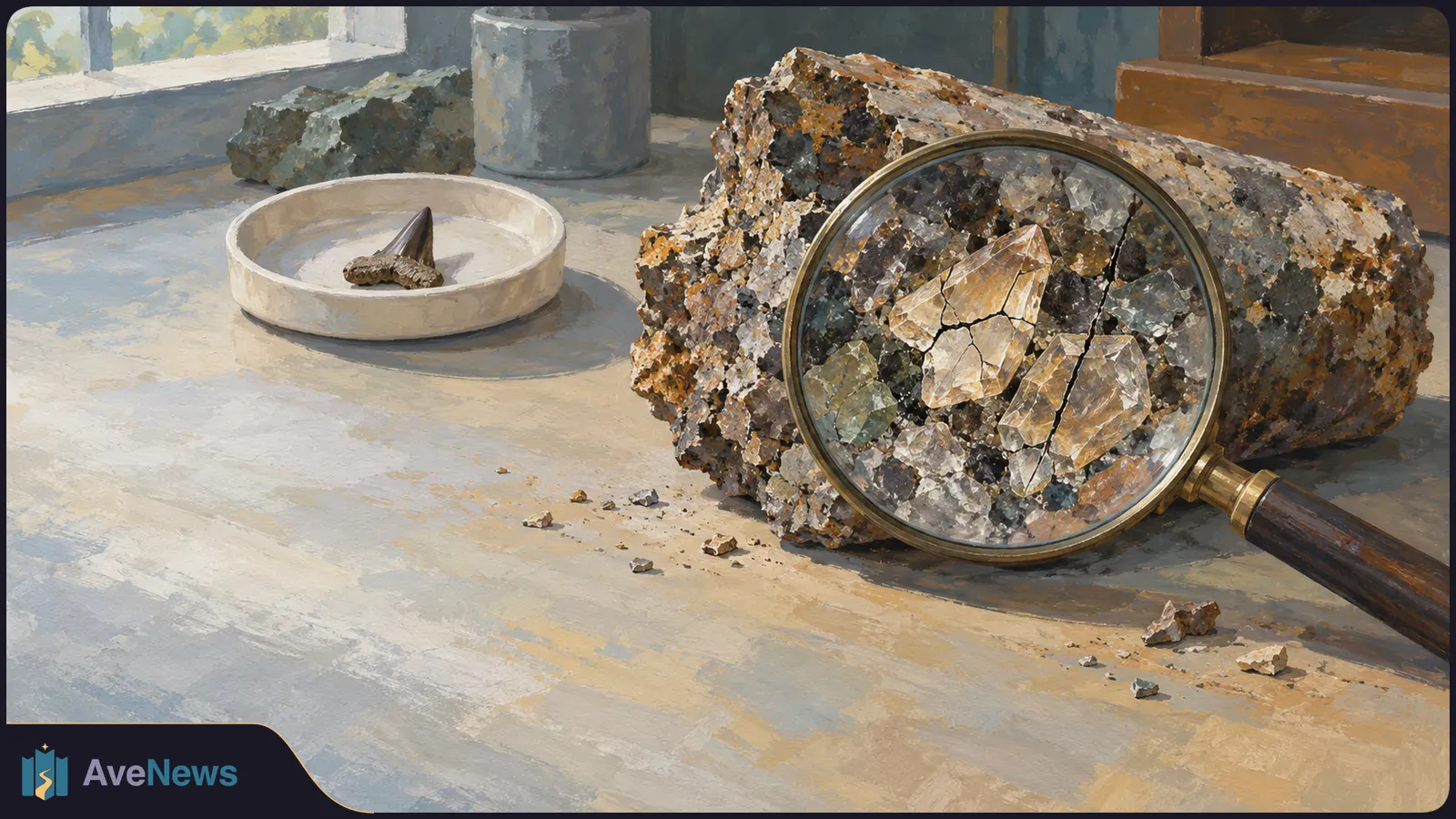
Crystals altered by the collision point to a Late Devonian impact, rather than the older date inferred from fossil teeth.
3 min
2 min