
Feathered dinosaur study supports multiple origins of flight
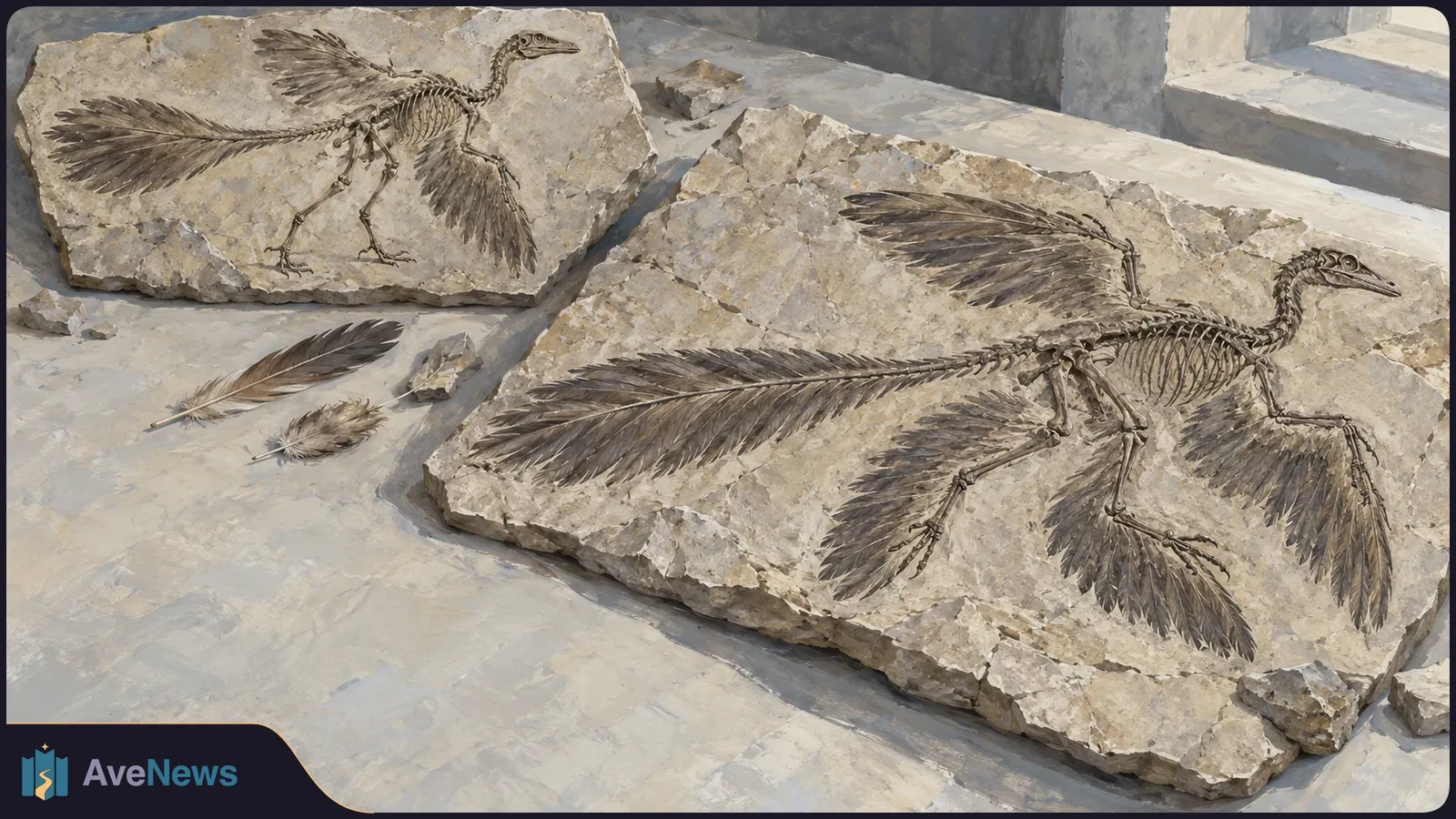
A comparison found that microraptorines and the bird lineage shared some flight-related traits, but acquired them in different orders.
A comparison found that microraptorines and the bird lineage shared some flight-related traits, but acquired them in different orders.
A study describing the feathered dinosaur Norellraptor barsboldi adds evidence that flight evolved more than once among birds and their close dinosaur relatives, Nature reported on October 2, 2026. The key finding concerns not just the features these groups shared, but the different orders in which those features evolved.
Researchers from China, Italy and Slovakia described the species in Nature Communications on September 29, 2026. Its well-preserved fossil retains traces of feathers on the forelimbs, hindlimbs and tip of the tail.
A local farmer discovered the 57-centimetre-long specimen. It lived in what is now Liaoning province, China, between 145 million and 100 million years ago. The researchers estimate that the animal was about three years old when it died.
Norellraptor was a microraptorine: one of a group of small, meat-eating dinosaurs with feathers on their limbs. Microraptorines belong to an evolutionary branch called Microraptorinae. Birds belong to a separate, closely related branch called Avialae. Comparing these relatives helps researchers investigate how flight arose.
The researchers compared flight-related adaptations—features associated with flight—in known microraptorines and the bird lineage. Of the 194 adaptations identified in microraptorines, 30% also evolved in Avialae. Shared features included wing feathers, hook-shaped toe bones and a forearm bone longer than the upper-arm bone.
Those shared features did not evolve in the same order in the two groups. The researchers argued that this difference meant the similarities could not be treated as the result of a shared developmental process. Similar features, in their interpretation, arose through different evolutionary routes.
Michael Pittman, a palaeobiologist at the Chinese University of Hong Kong, told Nature that the study further supports the hypothesis that flight evolved multiple times among feathered dinosaurs: at least once among microraptorines and at least once among birds.
Neil Gostling, an evolutionary developmental biologist at the University of Southampton, was surprised that most of the evolutionary changes in microraptorines were not shared with birds. He interpreted the findings as evidence that these species followed a range of evolutionary possibilities associated with flight.
The comparison strengthens a hypothesis about the evolutionary history of flight. It does not by itself prove that the Norellraptor individual could fly: shared flight-related features and their evolutionary sequence are a different question from the flight capabilities of this particular animal.

The October 1 retraction notice says unintended RNA splicing likely produced the signal that the 2014 study interpreted as frameshifting.
2 min
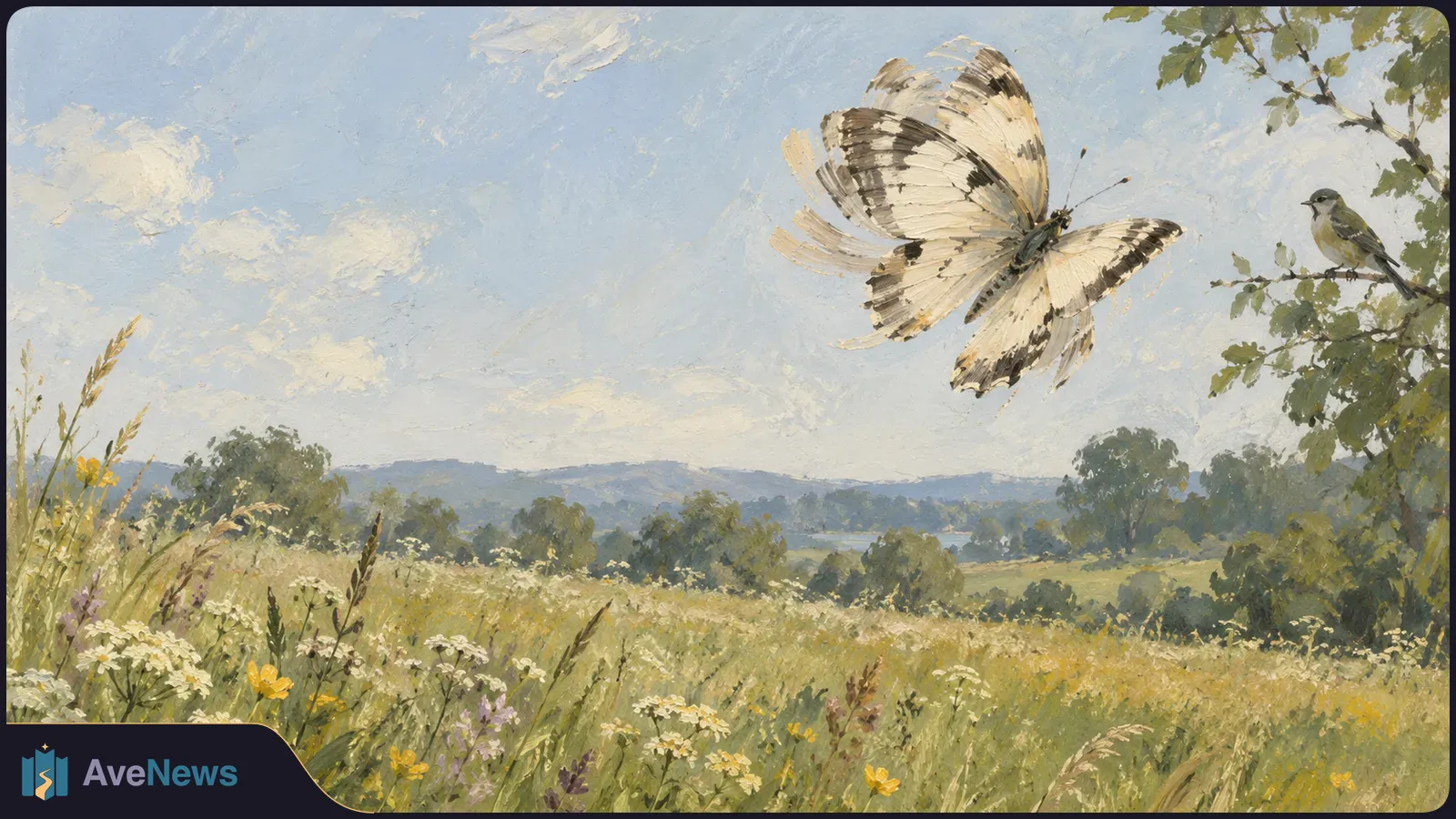
Computer models and a test with 100 volunteers suggest how visible wings could disrupt a predator’s aim, but effects on attacking birds remain uncertain.
3 min

Friends of the Dart’s platform links spill reports with treatment-capacity assessments and planned repairs. Its team acknowledges gaps and possible errors.
2 min
