
G7 agreed 100-million-barrel fuel release after diesel export threat
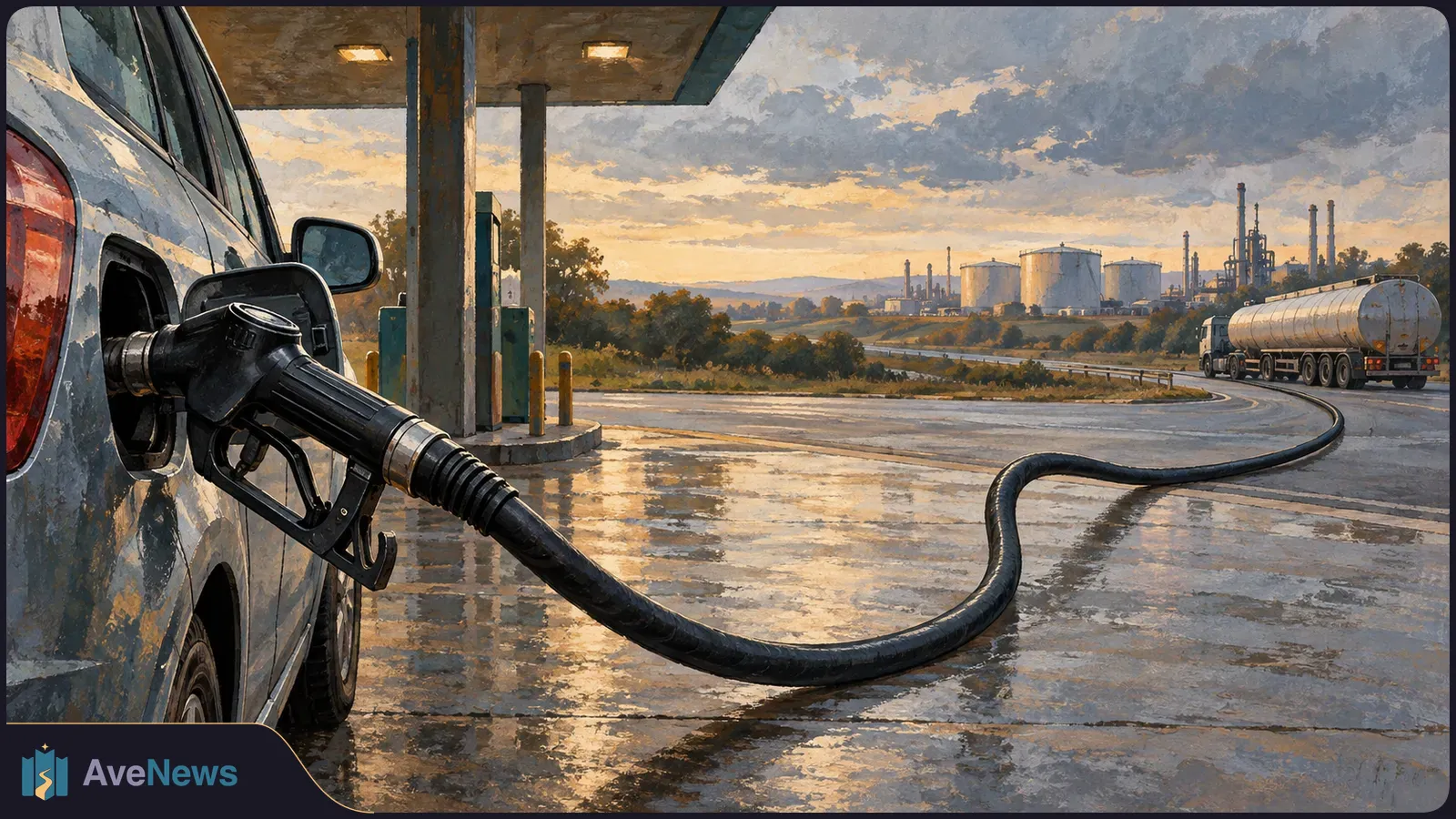
The 2 October agreement called for early diesel releases and a commitment not to restrict energy exports between member countries.
G7 countries agreed on 2 October to release a combined 100 million barrels of diesel and crude oil from emergency reserves over four months. The release would be coordinated through the International Energy Agency (IEA), according to a joint statement reported by CNA that day.
The agreement followed US pressure on Europe to use its emergency fuel stocks, including President Donald Trump's threat to ban US diesel exports. Britain had opened talks with European allies about releasing emergency supplies on 1 October.
The statement said the release was to begin immediately, with a substantial amount of diesel released within the first 20 days rather than spread evenly across four months. French President Emmanuel Macron said the coordinated action aimed to lower petroleum-product prices, particularly diesel prices. How much fuel has reached the market and whether the release has lowered pump prices remain unclear.
The Guardian reported a proposed equal split between diesel and crude oil. That allocation was reported as a proposal; the joint statement quoted by CNA specified the combined total without giving a separate amount for each fuel.
| Fuel | Proposed release |
|---|---|
| Diesel | 50 million barrels |
| Crude oil | 50 million barrels |

New figures show the US economy grew faster in April–June than first estimated. Separate data showed prices rose less in August than economists had forecast.
In Northern Ireland, Consumer Council data reported by the BBC on 2 October put the preceding week's average diesel price at 193.3p a litre, its highest since the Iran conflict began. Diesel had cost about 132p before the US-Israeli attack on Iran in February. The weekly average remained below Northern Ireland's summer 2022 record of 197.2p, although some filling stations were already charging £2 a litre.
| Area | Diesel share |
|---|---|
| Northern Ireland | Just over half |
| UK average | About one-third |
Northern Ireland's greater reliance on diesel cars leaves a larger share of its motorists exposed to diesel price rises.
Adam, 43, who lives on North Uist in the Outer Hebrides, told the Guardian in its 6 October report that diesel had reached £2.28 a litre before falling to £2.18 in the preceding week or so. He described a 45-mile round-trip commute and said he and his wife needed their diesel cars for work and transporting their three children. To cut costs, he said, the family was buying the cheapest food it could.
Ryan, 25, a hotel worker on Benbecula in the Outer Hebrides, told the newspaper that family and friends were making fewer journeys outside work, often limiting travel to work and shopping. Paid close to the minimum wage, he said he needed to drive to work because of the rural location and almost nonexistent public transport. His commute costs meant sacrificing some activities with his girlfriend.
Adam also described the cost of travelling for healthcare. Taking his daughter to Stornoway after a referral to a paediatrician for a hearing test required ferries, more than 100 miles of driving and a hotel stay. He said the family could reclaim some costs through the patient travel scheme, but it offered only £40–£50 towards a hotel.
The BBC reported on 2 October that the Iran conflict had severely disrupted oil production and transport across the Middle East, raising prices of fuels made from oil. The Guardian's report that day also linked tighter supplies to disruption of Middle Eastern exports and Ukrainian attacks on Russian refineries, which turn crude oil into fuels such as diesel. Diesel powers many lorries, vans and farming vehicles, so higher fuel costs also affect businesses that transport goods or produce food.
G7 leaders reaffirmed their commitment not to impose restrictions on energy or energy-product exports between member countries. They also called on other producers to avoid bans that could worsen pressure on markets, according to the joint statement reported by CNA.
The US exports between 1.2 million and 1.5 million barrels of diesel a day, according to the BBC's 2 October report. More than half of the UK's diesel is imported, with the US supplying 31% of those imports. Experts cited by the BBC warned that a US export ban would increase pressure on diesel prices elsewhere unless countries could find additional supplies. That was a warning about a possible ban, not an observed effect.
UK transport minister Keir Mather said on 2 October that the country was not facing a diesel shortage. That reassurance concerned fuel availability, not protection from higher prices.
The G7 leaders said they would monitor developments and were ready to adjust their measures as needed. Their agreement set a four-month release period, with substantial diesel releases required within its first 20 days.
2 min

The court also ordered $8.09 million in forfeiture. Both sides agreed on the loss after deductions, but disputed how much Smith personally pocketed.
6 min

CEO Gracy Chen said the exchange first used its protection fund to cover compromised wallets, then replenished it from company reserves.
1 min


