
Riot says Vanguard hardware bans last at most four months
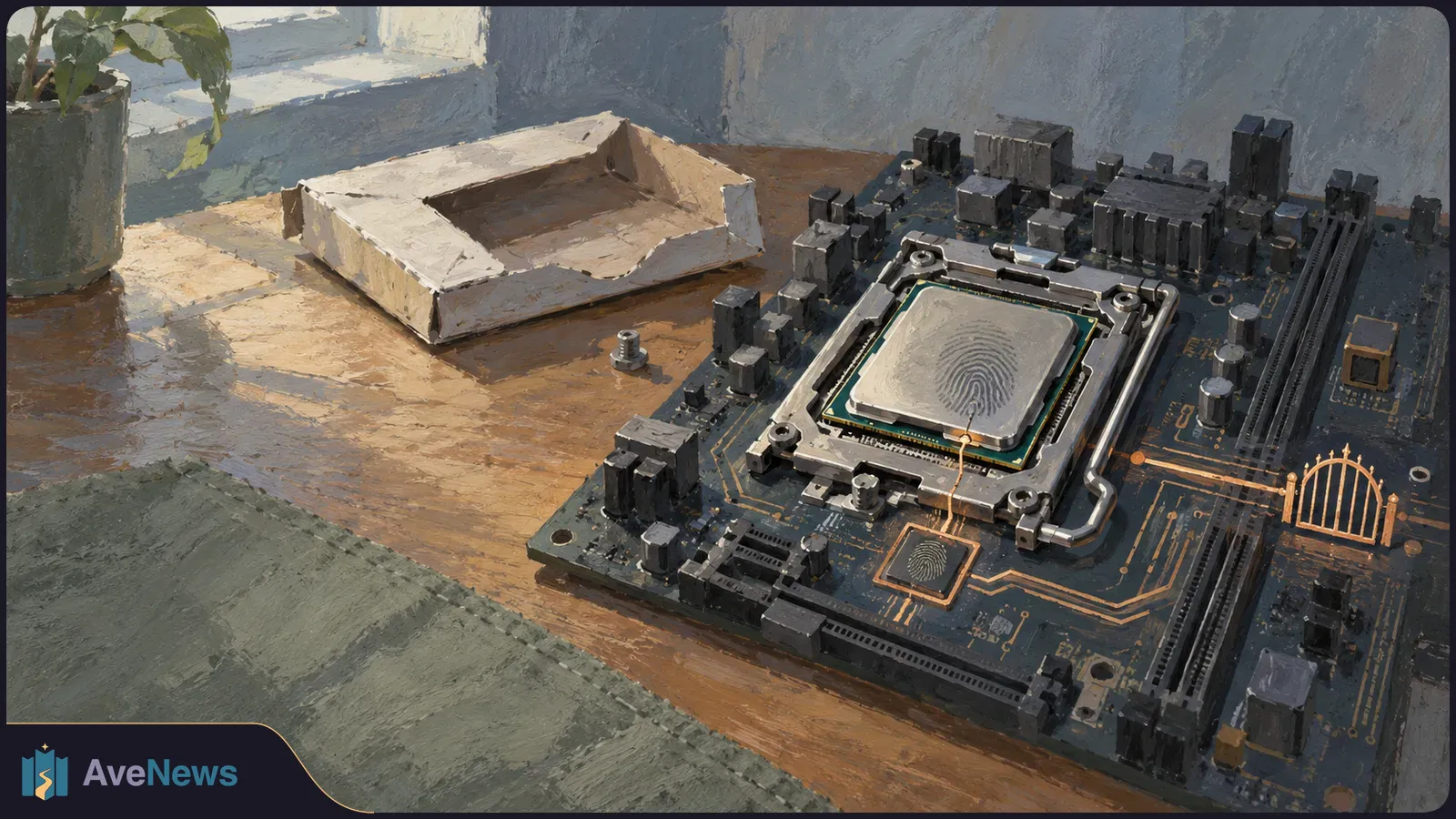
Responding to a used-processor buyer’s reported Valorant ban, a Riot specialist disputed claims that other parts were blacklisted. He could not find the player’s support ticket.
Responding to a used-processor buyer’s reported Valorant ban, a Riot specialist disputed claims that other parts were blacklisted. He could not find the player’s support ticket.
Hardware bans imposed by Vanguard, Riot Games’ anti-cheat system, last at most four months and apply only to the game concerned, Riot anti-cheat specialist Phillip Koskinas said. In an October 2 response reported by Tom’s Hardware, he also said support tells users how much time remains when they contact it.
A German Valorant player said they were banned immediately after installing a used Ryzen 7 5800X3D processor and logging into the game, according to PCWorld’s October 2 report. The processor itself reportedly worked normally.
The account illustrates a potential problem for buyers of used PC parts: software designed to detect cheating can identify hardware, not just a player’s account. A previously flagged component may therefore affect another player who installs it.
According to the Reddit user’s account reported by PCWorld, Riot support said nothing would be done to resolve the situation. The player also said their other components, including the motherboard and storage, had been blacklisted by Vanguard, Riot’s anti-cheat system.
Koskinas denied that recognizing one component on Vanguard’s denylist—the list of flagged hardware—causes the system to add the buyer’s other components to that list. He said he could not find the player’s support ticket, so his response clarifies Vanguard’s rules without verifying or resolving this individual case.
An account ban restricts access through a player’s account. Hardware identification lets anti-cheat software recognize parts of the computer as well. That creates a possible link between a flagged computer and a later owner of one of its components, even when the later owner uses a different account.
PCWorld explains that software with kernel-level access—access to the core of the operating system—can technically identify individual components. Possible identifiers include processors, graphics cards, motherboards, storage drives and network adapters, as well as operating-system licences or combinations of identifiers.
Technical possibility does not establish which checks a particular anti-cheat system actually uses. PCWorld says those checks are generally undisclosed; its list is not a confirmed inventory of what Vanguard or any other named system tracks.
PCWorld describes the problem as apparently exceedingly rare, based on a small number of reports over several years. That is a qualitative assessment, not a measured rate of affected purchases. The risk described here requires previously flagged hardware to reach a buyer playing a game covered by that hardware ban.
For buyers, the practical limitation is that a functioning part does not reveal its anti-cheat history. PCWorld reports no practical way to check before purchase whether a component has been flagged unless the seller discloses it. Based on the limited cases it reviewed, the outlet also found customer support generally unwilling to lift hardware-identification bans; that is its assessment, not a stated company policy.
PCWorld asked Riot, Valve and Epic Games, operators of Vanguard, Valve Anti-Cheat and Easy Anti-Cheat respectively, which hardware could be flagged, how secondhand buyers could avoid it and what recourse an innocent buyer would have. None responded before PCWorld’s publication.

The carriers have named an interim chief executive for their effort to fill mobile coverage gaps, but service timing and pricing remain unclear.
2 min

The flaws could expose storage-administrator credentials or give attackers control of Kubernetes nodes. Dell advises updating CSM and replacing JWT signing secrets.
3 min
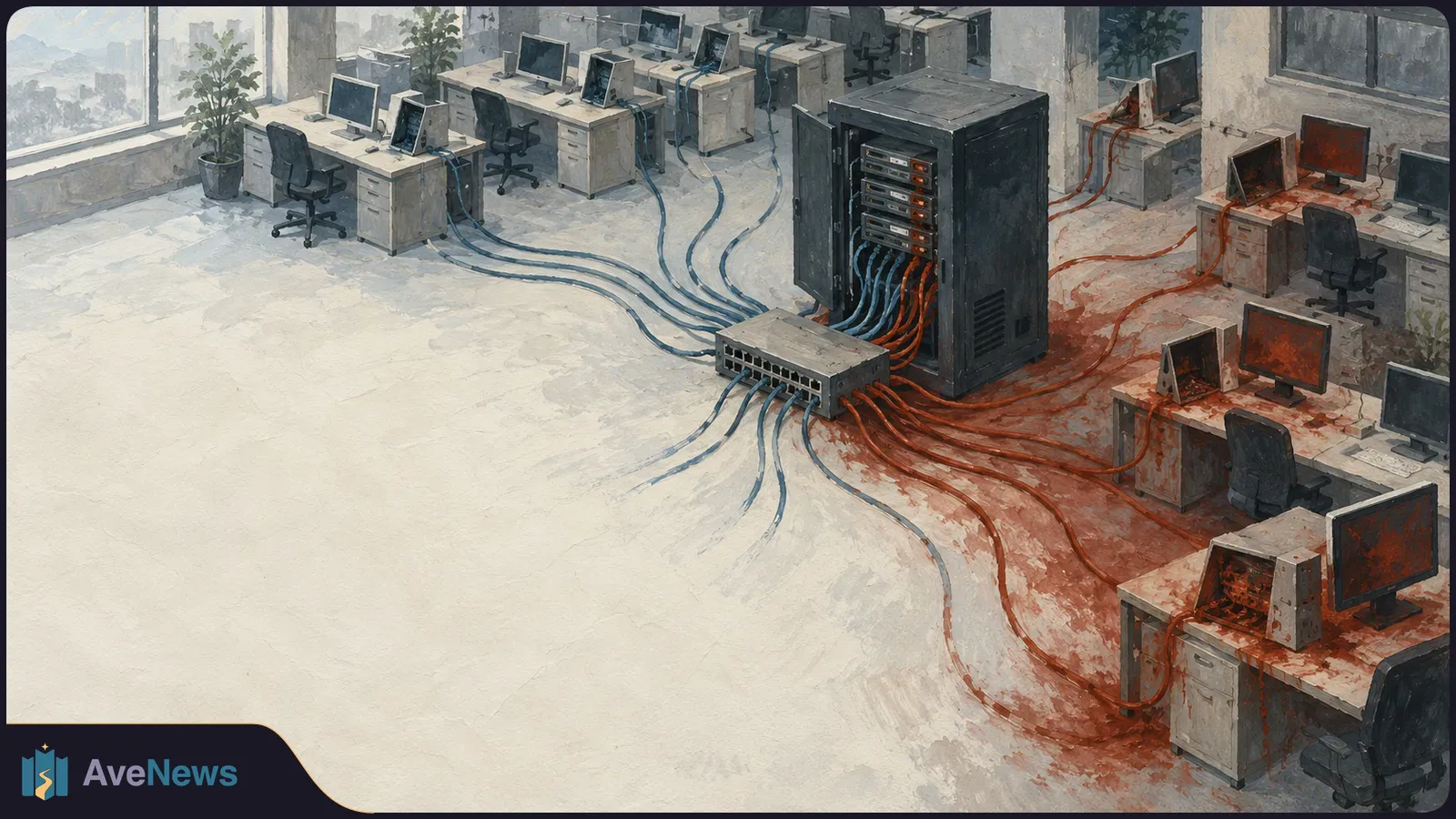
Researchers described how attackers disabled security software and used shared network infrastructure to spread ransomware beyond an initial breach.
3 min
