Russian strikes cut power and water for hours in Kyiv
Emergency centers opened and Kyiv residents were urged to use public drinking-water fountains after the overnight attacks. Ukraine’s president said energy facilities were damaged in 9 regions.

In this article
Russian attacks on critical infrastructure overnight on 4 November caused power and water outages lasting hours across Kyiv and surrounding regions.
Ukraine’s President Volodymyr Zelenskyy said the attacks damaged power generation facilities and substations in 9 regions, leaving many cities with emergency outages. Ukraine has repeatedly said Russia is targeting its energy grid as temperatures drop before winter.
Water and charging points
Kyiv residents were urged to use public drinking-water fountains, and emergency centers were set up in the worst-hit areas with hot tea and power points for charging devices, Al Jazeera said.
Russia’s Defence Ministry said it hit 2 power stations in Ukraine’s Kyiv and Zhytomyr regions.
Latest in this situation
 Conflict
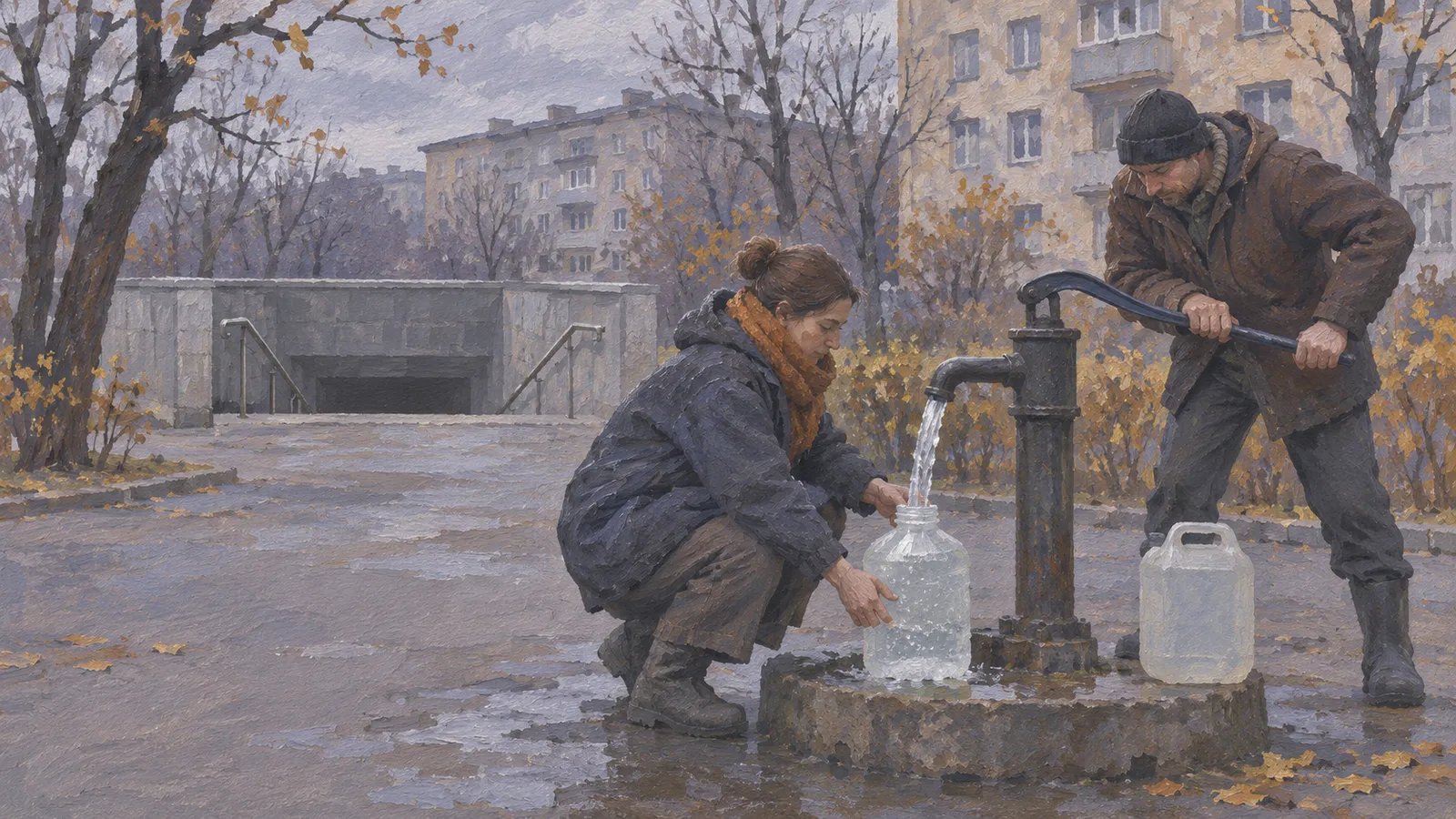
Kyiv loses water, Kyivvodokanal says, as entire metro shuts
Kyivvodokanal said Russian attacks had cut power to its main water facilities on 3 November. The whole metro network was also suspended, while the water supplier and electricity workers worked to restore service.
1 min
 Conflict
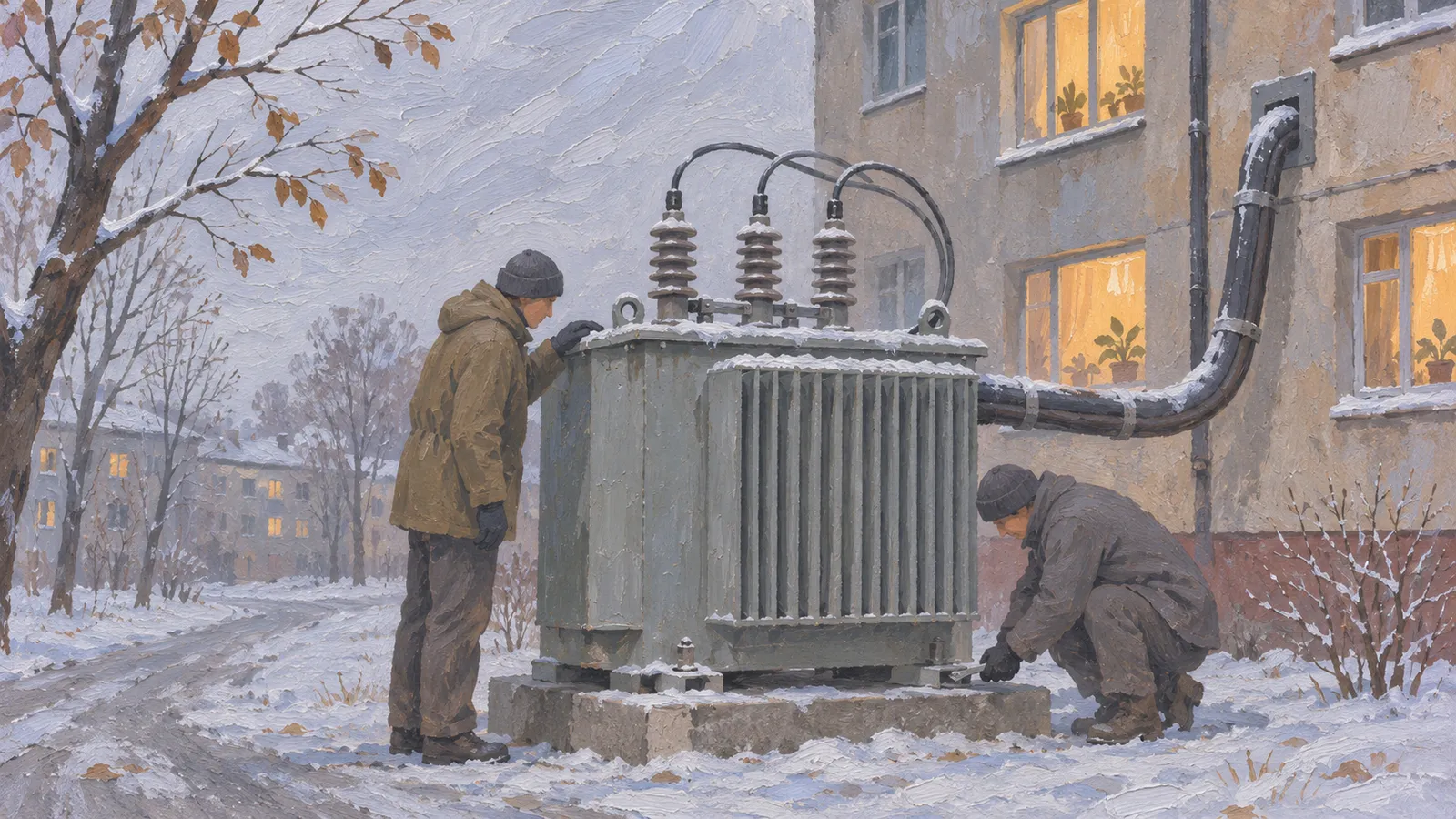
Germany’s Chancellor Merz promises Ukraine air-defense and winter aid
Chancellor Friedrich Merz pledged further energy and winter assistance at a Berlin meeting with President Volodymyr Zelenskyy. The planned winter aid would total €200 million (about $223.7 million), news agency dpa said.
2 min
 Conflict
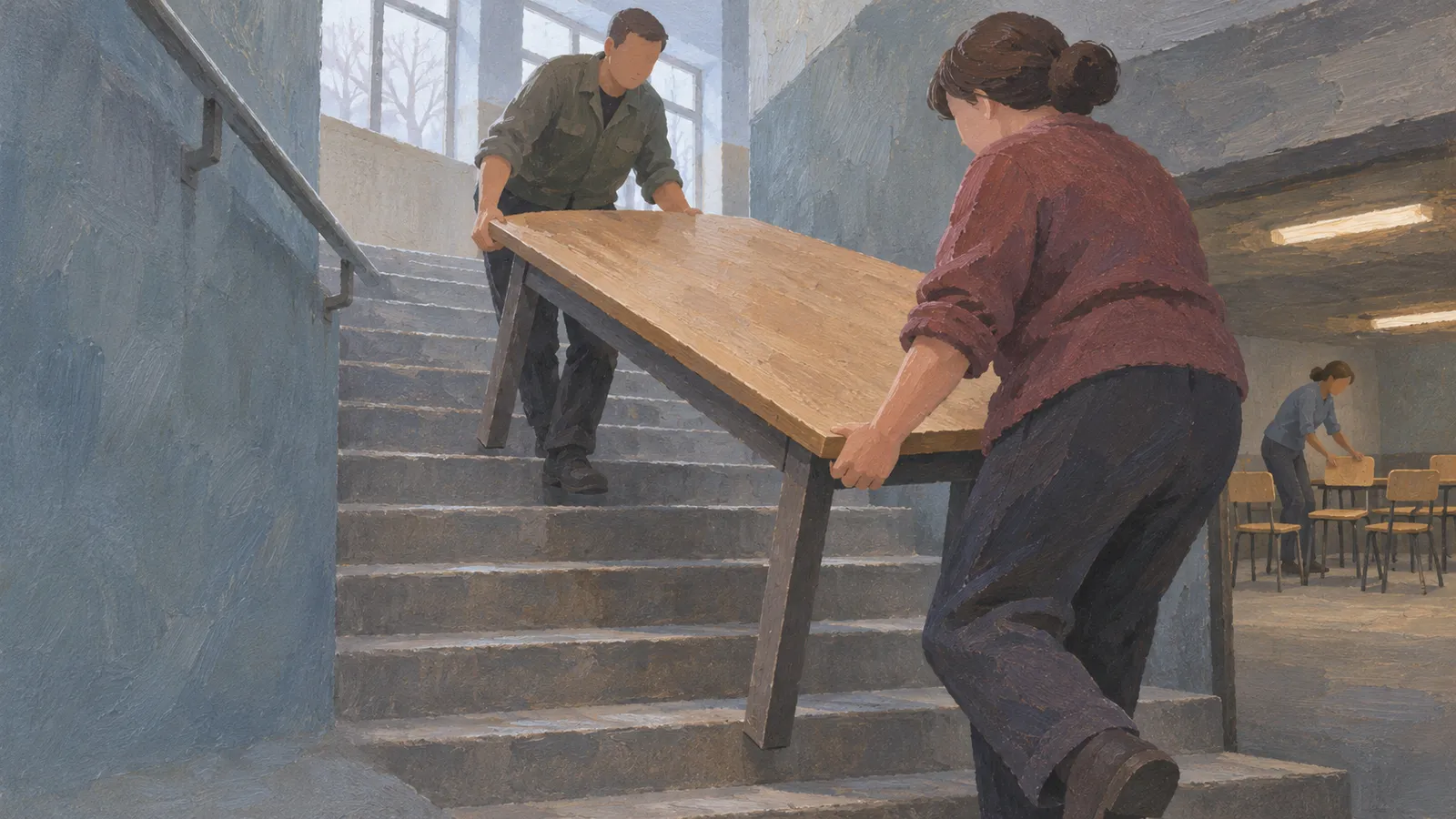
UN verifies almost 2,000 attacks on education in Ukraine, UNICEF says
UNICEF counts about 270 attacks in 2026. From the start of the 2026–2027 academic year through 20 October, school-time alarms averaged 34 hours, equivalent to more than 13% of scheduled learning; more than 560,000 children in three regions faced over 60 hours, roughly one quarter of scheduled learning. UNICEF says work on shelters and learning support continues.
2 min