
Some ancient immune peptides outperform human versions in lab tests
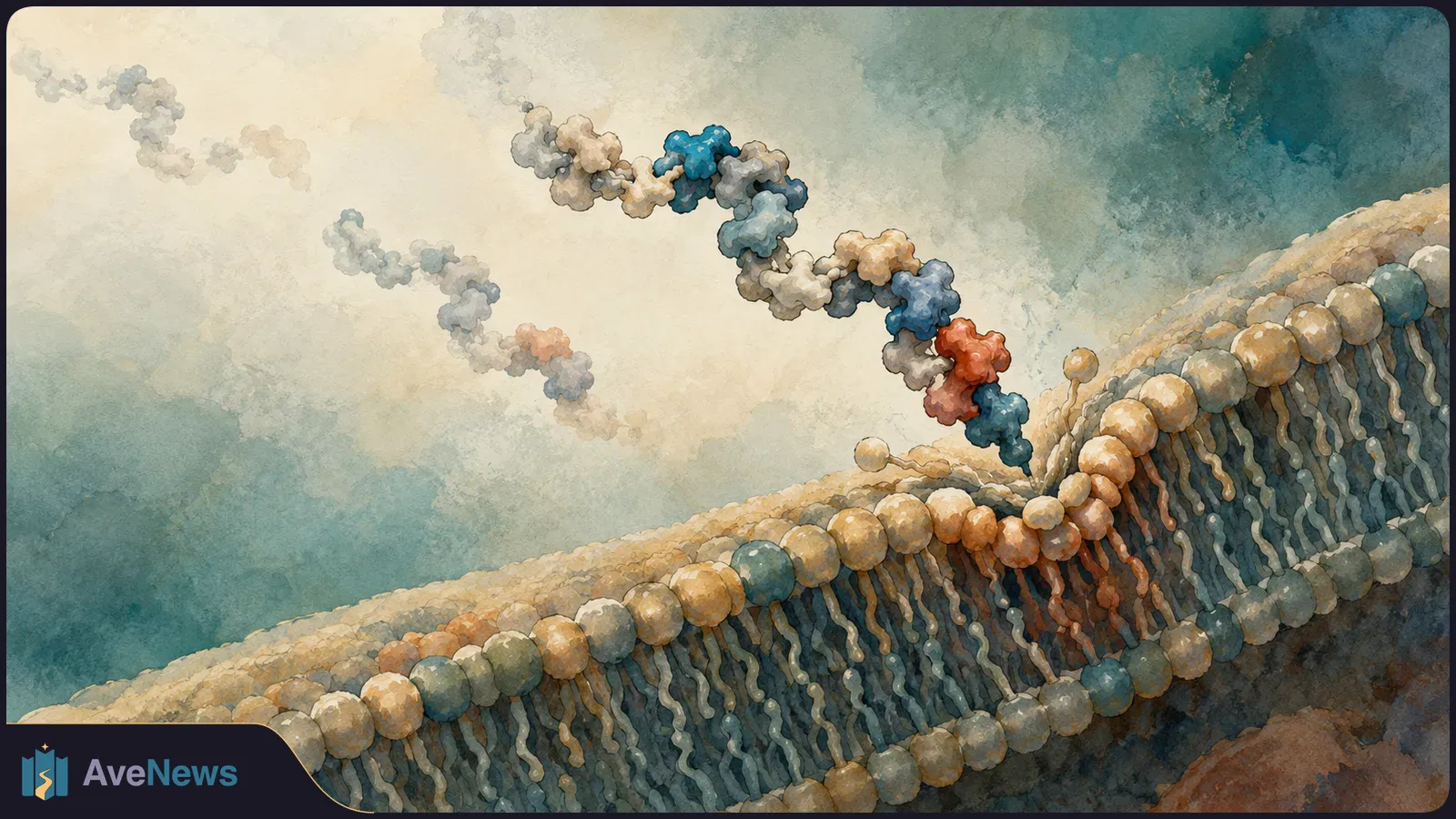
A study traced an immune protein’s evolution over roughly 160 million years, finding small changes that strengthened antibacterial activity in the lab.
A study traced an immune protein’s evolution over roughly 160 million years, finding small changes that strengthened antibacterial activity in the lab.
Some immune peptides reconstructed from mammalian ancestors were more effective against bacteria in laboratory tests than corresponding modern human versions. The stronger peptides came from ancestors dating back a few million years. According to ScienceDaily’s September 28 report, the University of Oregon study was published August 25 in PLOS Biology. It offers clues to how antibacterial defenses evolved, rather than a treatment ready for use.
The team studied lactoferrin, an immune protein found in fluids such as breast milk, tears and saliva. Lactoferrin binds iron tightly, making it harder for bacteria to obtain the iron they need. It also contains an antimicrobial peptide—a short protein fragment that attacks microbes. This peptide can damage bacterial membranes, creating holes that can rupture the cells.
Lead author Titas Sil compared lactoferrin gene sequences from living species, including humans and cows, and mapped their evolutionary relationships. She then used statistical methods to estimate the most likely sequences carried by their common ancestors, extending back roughly 160 million years. This method, called ancestral sequence reconstruction, produces estimates of ancient sequences—not proteins recovered from ancient remains.
Sil synthesized the predicted genes and used cells to produce the reconstructed proteins. She tested them against bacteria associated with human disease, including Pseudomonas aeruginosa, Staphylococcus aureus, Escherichia coli and Streptococcus. The experiments allowed the team to compare antibacterial activity across reconstructed ancestral versions and modern versions.
The oldest reconstructed peptides disrupted bacterial membranes but did not kill the bacteria. The bacteria apparently repaired the damage and survived. Versions from more recent mammalian ancestors became progressively more effective, with some outperforming their modern human counterparts.
The researchers traced much of the increased potency to a single mutation in the peptide’s chain of amino acids, the building blocks of proteins. That small change was enough to substantially strengthen antibacterial activity. Senior author Matt Barber, a University of Oregon evolutionary biologist, said studying such changes could provide useful information for designing new antimicrobial tools.
Barber and Sil caution that the reconstructed peptides are unlikely to become medicines soon. Compared with conventional antibiotics, the peptides are less structurally stable and break down rapidly inside the body. Strong antibacterial activity in a laboratory therefore does not establish that these molecules would work as treatments.
Resistance also remains a concern. Barber said pathogens can evolve resistance to antimicrobial peptides, just as they can to antibiotics. He hopes that understanding how this happens could help researchers design better-targeted molecules or combination treatments that better avoid resistance. That is a potential use of the evolutionary findings, not a treatment benefit demonstrated by this study.

Some used waters around several islands, supporting protection of connected coastal feeding areas. The small study does not rule out later breeding migrations.
2 min

Ancient light helps astronomers measure curvature. It cannot settle whether space continues forever or connects back to itself beyond our view.

The approximately $38 million award covers laboratory development and a planned lunar-surface demonstration for communications intended to support future Moon Base operations.
2 min
3 min