
Astronaut blood tests suggest gut bacteria break down more protein in space
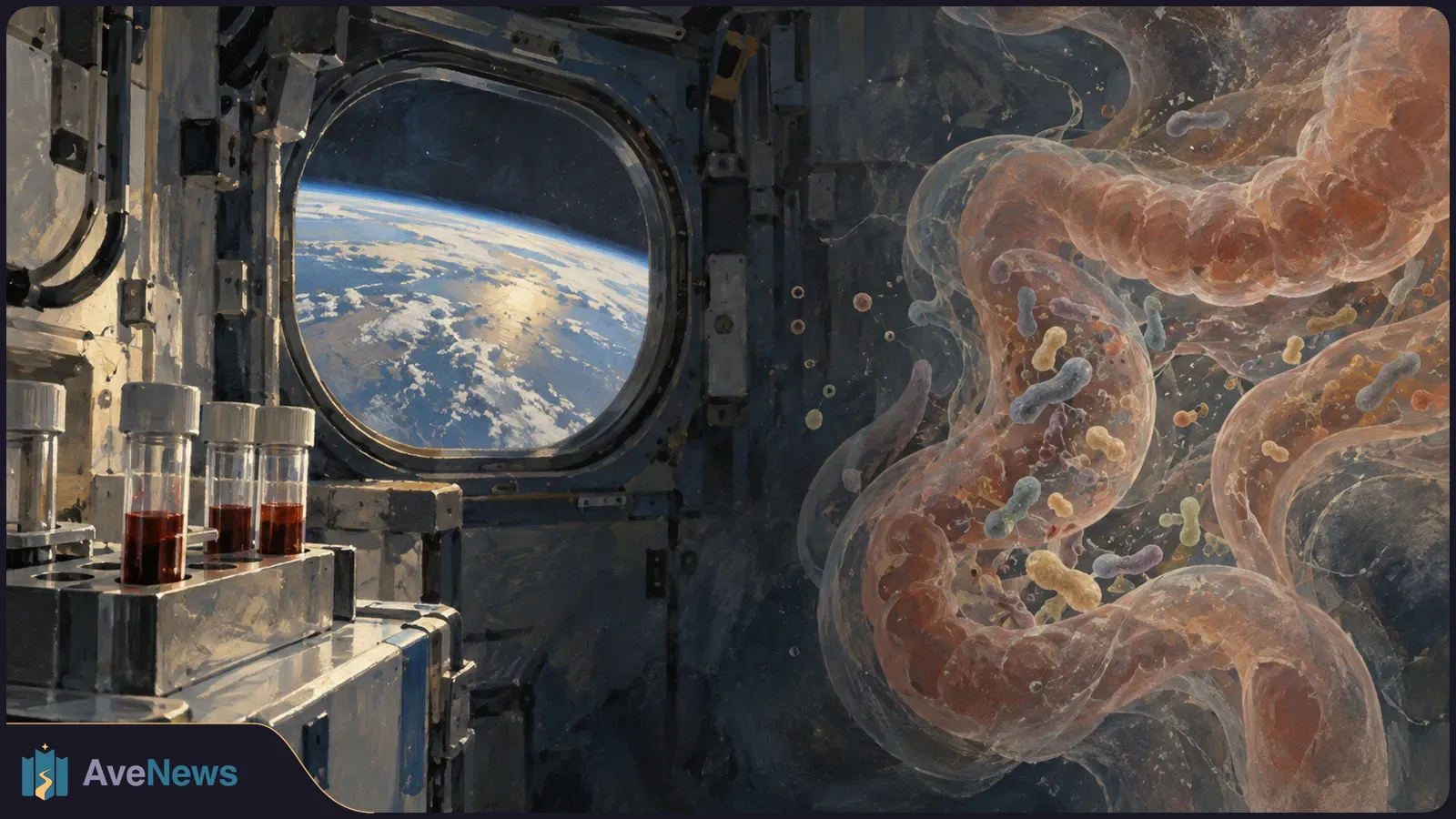
An analysis of 52 ISS astronauts offers a possible clue to constipation in space and suggests ways to investigate digestive health on longer missions.
Blood samples from 52 astronauts showed signs that gut bacteria broke down more protein during spaceflight. The finding offers a possible clue to the constipation astronauts experience, but it does not establish what causes their constipation.
According to ScienceDaily’s September 28 report, researchers from the University of Copenhagen worked with NASA to analyze samples from three studies involving astronauts who spent months aboard the International Space Station (ISS). Giorgia La Barbera, a joint first author, said the blood changes indicated increased bacterial protein fermentation within weeks of arrival in space. The pattern continued until the astronauts returned to Earth.
The team examined metabolites, small molecules circulating in the bloodstream that can provide clues about processes inside the body, including the intestines. Rather than testing only for a predetermined set of substances, the researchers looked across a broad range of metabolites to identify changes during spaceflight.
Protein fermentation happens when intestinal bacteria break down protein after available dietary fibre has been used up. This also happens on Earth. If food stays in the intestines longer, bacteria have more time to turn to protein.
Co-author Henrik Roager proposed that microgravity may slow the movement of food through astronauts’ intestines. That could explain both the signs of increased protein fermentation and constipation. It remains a hypothesis: the blood findings do not demonstrate that microgravity slowed intestinal movement or caused constipation.
The report also describes earlier research linking protein-fermentation products with anxiety and reduced concentration. Those associations are not evidence that this astronaut study found changes in cognition. The researchers also suggested that bedridden patients might experience similar fermentation changes, but the astronaut analysis did not establish that in those patients.

Rock dating and cooling simulations suggest a longer window for an impact-created habitat, but do not establish that organisms lived in the crater.
Analysis
The researchers say the findings could help guide measures to protect digestive health on longer journeys, such as missions to Mars. Crews on those trips may spend much longer away from Earth’s gravity than astronauts aboard the ISS, making persistent digestive changes a concern for mission planning.
Roager suggested increasing dietary fibre, adding prebiotic supplements, or using treatments that promote peristalsis—the coordinated muscle contractions that move food and waste through the digestive system. The aim would be to shorten the time material stays in the intestines and reduce protein fermentation. These are proposed approaches, not treatments tested by this analysis; whether they help astronauts remains an open question.
2 min
A study traced an immune protein’s evolution over roughly 160 million years, finding small changes that strengthened antibacterial activity in the lab.
3 min

Some used waters around several islands, supporting protection of connected coastal feeding areas. The small study does not rule out later breeding migrations.
2 min