
European-Chinese Smile spacecraft begins science work on how Earth responds to the solar wind
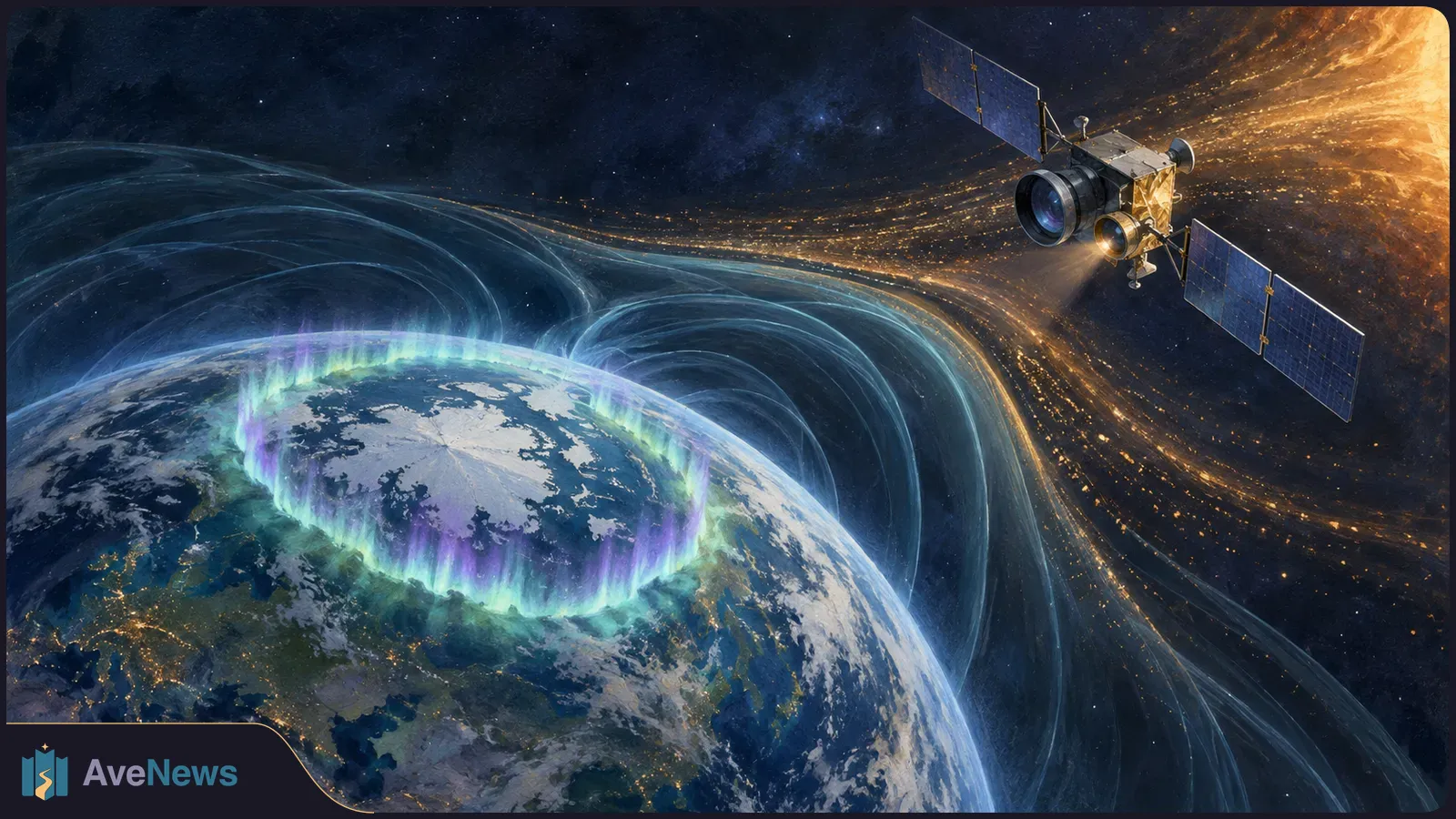
On 23 September, Smile was approved to begin science operations. Its ultraviolet camera is already recording the northern lights. Its X-ray camera is still picking up too much stray light, and ESA expects that to ease by mid-October.
On 23 September, Smile was approved to start its scientific work. Smile is a spacecraft built and run jointly by the European Space Agency (ESA) and the Chinese Academy of Sciences (CAS). Its job is to show how Earth responds to the solar wind, the constant stream of charged particles that flows out from the Sun.
The approval ended a period of in-orbit testing, which space agencies call commissioning. Smile launched on 19 May and reached the orbit it uses for science on 20 June. Since then, European and Chinese teams have deployed its moving parts, switched on its systems, checked every communication link between the spacecraft and the ground, and fixed problems as they came up. They also tested the four science instruments: a soft X-ray imager (SXI), an ultraviolet aurora imager (UVI), a magnetometer (MAG), which measures magnetic fields, and a light ion analyser (LIA), which measures charged particles.
ESA says Smile will produce data on how activity on the Sun interacts with Earth's magnetic field, how it causes auroras and how it can affect electronic infrastructure on and around Earth. The agency's aim is a better understanding of solar storms, geomagnetic storms (disturbances of Earth's magnetic field) and space weather.
Smile is now approved to begin science operations. This is a very important milestone – a true pleasure to announce – and I am sure our excellent collaboration will deliver ground-breaking data to scientists around the world.
The ultraviolet camera has produced the mission's first released footage. ESA describes UVI as the first camera since 2008 to capture the whole ring of northern lights around the North Pole in ultraviolet light. The video was recorded on 24 July 2026, two weeks after UVI was switched on. It shows activity in that ring caused by a disturbance in Earth's magnetic field, which was triggered by a rush of solar wind particles.
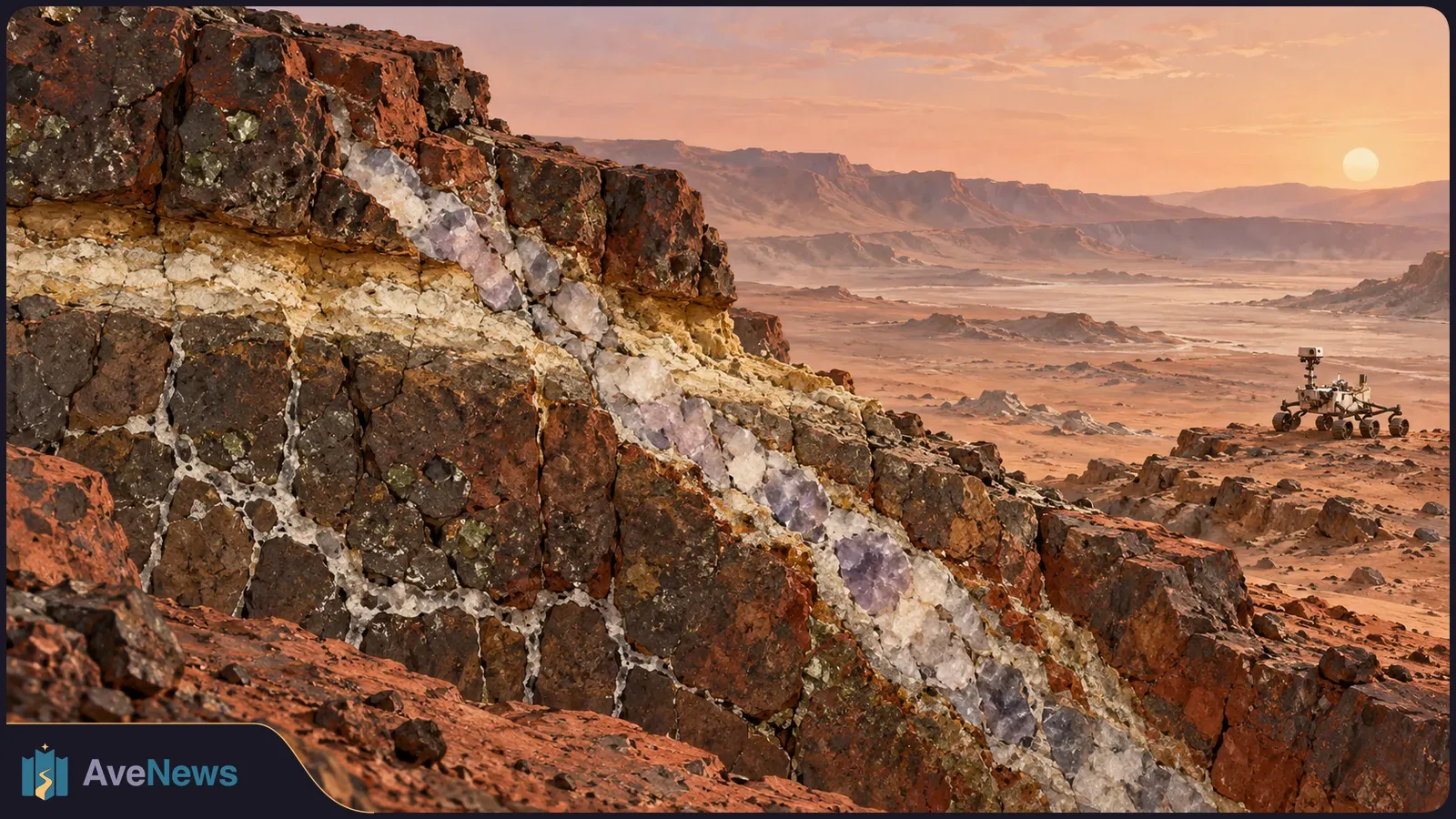
Scientists expected lake sediments at the old shoreline of a Martian crater. NASA's rover found igneous rock instead, and it records groundwater, lake water and later hot fluids.
According to ESA, UVI now records the auroras for a record-breaking 45 hours at a time. Long, unbroken views like these let scientists follow how the auroral ring changes as a disturbance develops, not just see a single snapshot.
The X-ray camera, SXI, is Europe's key contribution to the mission. It has been switched on and has taken two test images to check that it works: one of a supernova remnant (the debris left after a star exploded) in the Large Magellanic Cloud, and one of the supernova remnant Cassiopeia A. ESA says the camera itself is working very well.
However, when SXI points towards Earth, it currently picks up too much unwanted, or stray, light. ESA, the group of universities and companies behind the instrument, and the Chinese team that operates the spacecraft are changing its settings and uploading software updates to reduce that light as much as possible. The instrument was designed so that it can be adjusted from the ground, which makes this work easier.
ESA says the stray light is also falling on its own. There are two reasons: Smile is pointing steadily farther from Earth, and the North Pole gives off less light as northern winter approaches. The agency expects the stray light to reach its lowest level in mid-October.
Analysis
Once the stray light reaches that minimum, ESA says, SXI would take its first good image of one of two regions. The first is the magnetopause, the boundary where the solar wind meets Earth's magnetic field. The second is the northern polar cusp, a gap in Earth's magnetic shield (the magnetosphere) above the North Pole, where charged solar wind particles are funnelled down towards Earth's surface. SXI has not yet taken a good image of either region; ESA expects that to become possible once the stray light reaches its minimum in mid-October.
Smile is short for Solar wind Magnetosphere Ionosphere Link Explorer. ESA provided the payload module, which carries three of the four instruments. It also provided SXI, the launcher, and the facilities for assembling and testing the spacecraft, and it contributes to UVI and to mission operations. CAS provided the other three instruments and the spacecraft platform, and it has overall responsibility for operating Smile in orbit. The mission is part of ESA's Cosmic Vision programme.
ESA has also released a documentary, the final part of its 'Let's Smile' series. It covers the mission's development from June 2024 to May 2026. The agency says Smile went from a handful of separate pieces to collecting science data in just over two years.
4 min

Lily Grigoryan moved from the US to Armenia in 2024 and planned to stay. She told Hetq she went back because Armenian pharmacies could not reliably supply medicines for her autoimmune diseases. Of the 10 medicines she needs, only three were easy to find.
4 min
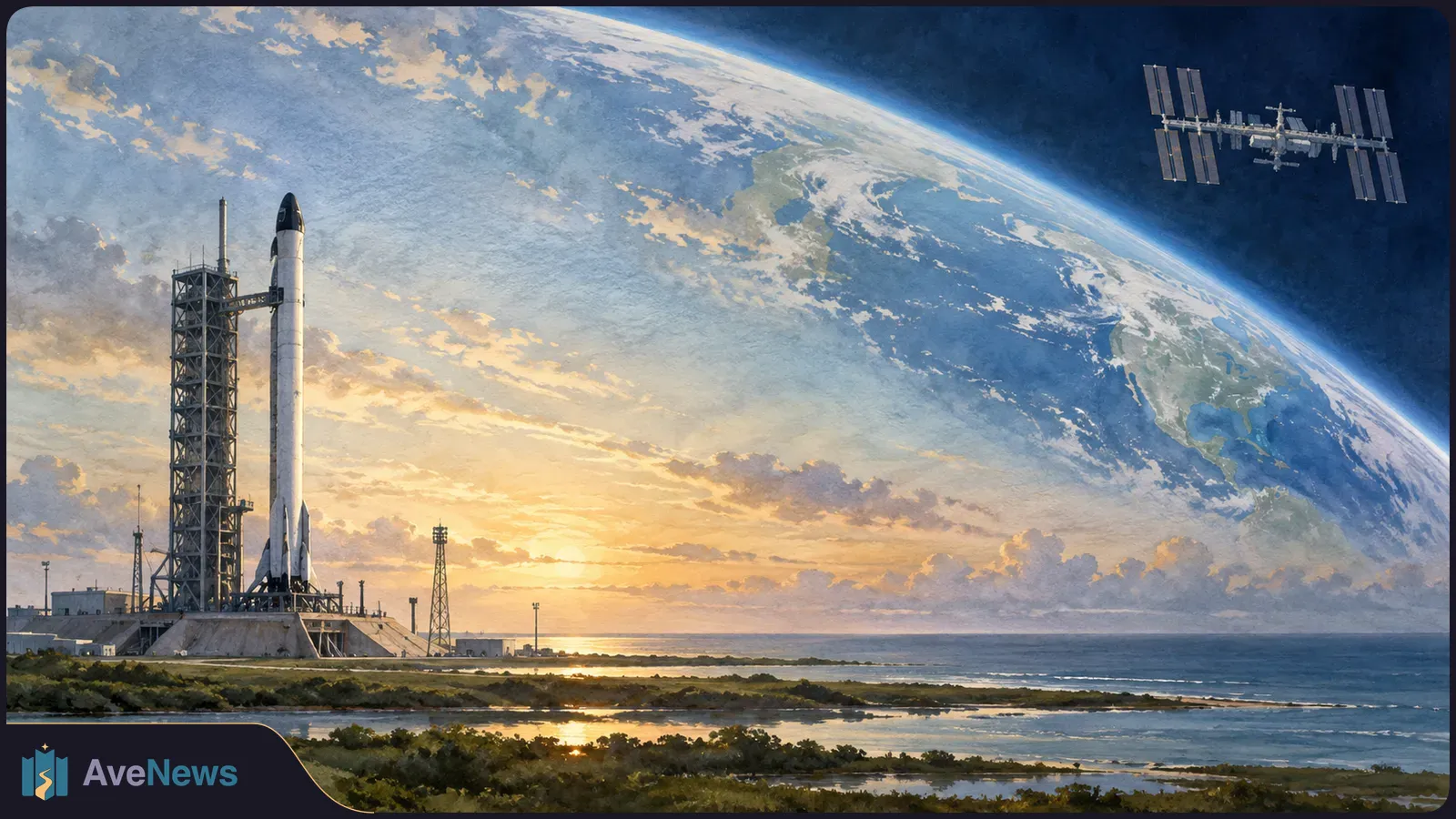
The four astronauts returned after a delayed crew change at the International Space Station.
5 min
Correction ·
House style applied: Armenian punctuation, date and money forms.
Correction ·
Corrected spelling and punctuation in the Armenian text.
