
Gobi fossil revises an early mammal family tree
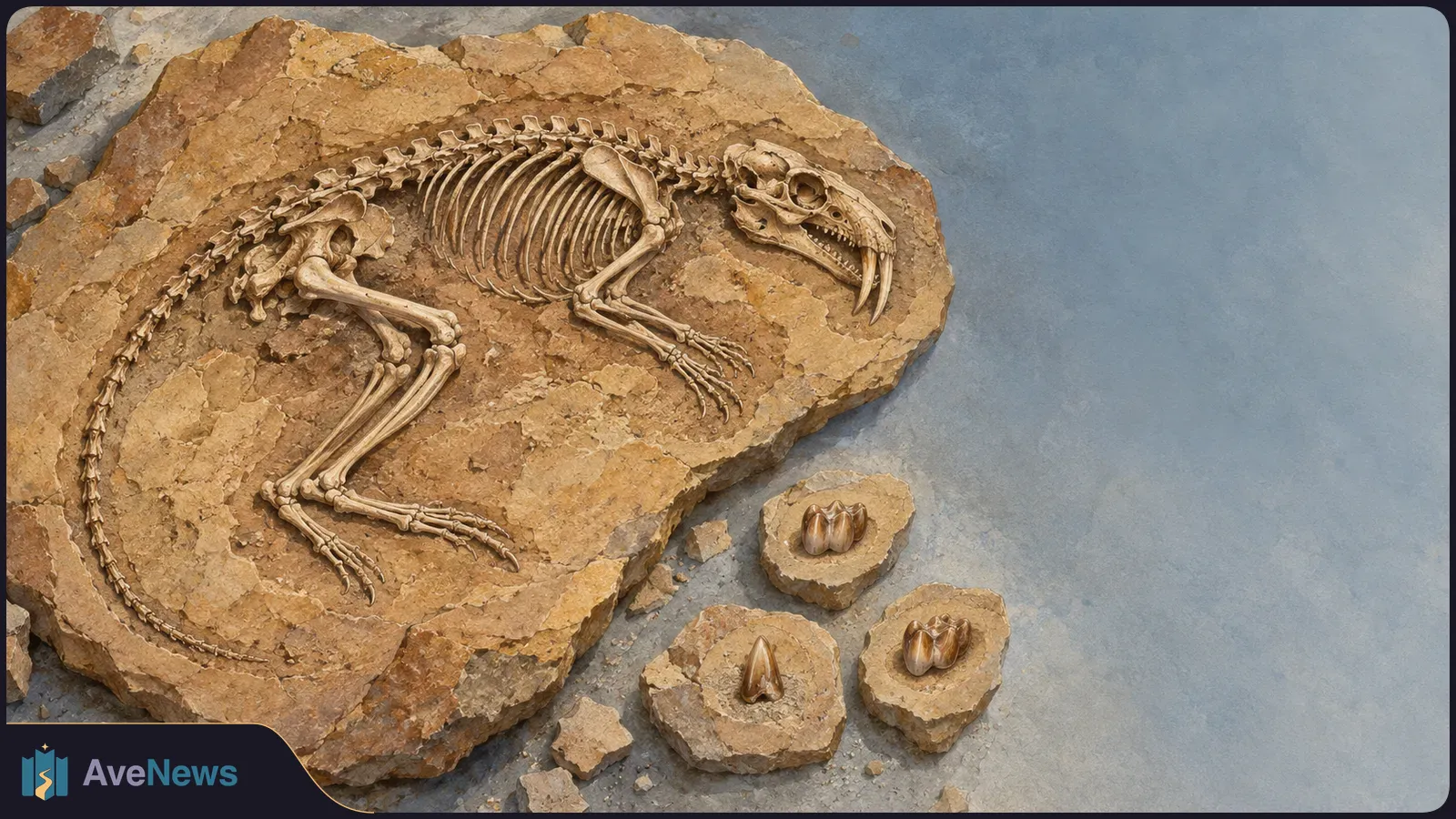
A nearly complete skeleton gives researchers evidence beyond teeth, placing zhelestids in a different branch from placental mammals.
A nearly complete skeleton gives researchers evidence beyond teeth, placing zhelestids in a different branch from placental mammals.
A nearly complete fossil from Mongolia’s Gobi Desert has led researchers to place an extinct mammal group called zhelestids among zalambdalestoids, rather than placental mammals. The Nature study, reported by ScienceDaily, challenges a relationship inferred largely from fossil teeth. Placental mammals are the broad group that includes humans and most living mammal species.
The newly described species, Tamirkhan balcarceli, is reported as the most complete zhelestid specimen found so far. Lead author Andres Giallombardo discovered it in the eastern Gobi Desert as a graduate student on a 2004 expedition sponsored by the American Museum of Natural History. Its preservation allowed researchers to examine the skull and limbs alongside the teeth.
Scientists have known about zhelestids for nearly 40 years, but most finds were isolated teeth or incomplete remains. Their teeth were more specialized for eating plants than the sharper, insect-eating teeth common among many mammals of the Cretaceous, a period in the age of dinosaurs. Those features led some researchers to propose a previously unknown group of hoofed mammals. Many considered zhelestids close relatives of modern placentals, and scientists debated whether they were themselves placental mammals.
Tamirkhan has the low, rounded teeth associated with zhelestids, but other parts of its skeleton tell a different story. Its long, continuously growing incisors—the front teeth—and several skull features match those seen in zalambdalestoids, a group described as small, shrew-like insect eaters. Study author Shawn Zack, a University of Arizona paleontologist, also identified its long, slender hind legs and distinctive ankles as zalambdalestoid traits. Together, these features led the researchers to place zhelestids in that group.
The researchers interpret the rounded teeth as probably an example of convergent evolution: unrelated animals independently developing similar traits as they adapt to comparable ways of life. On that interpretation, teeth resembling those of plant-eating mammals did not establish a close family relationship. The skull and limbs supplied evidence that teeth alone had left hidden.
The finding also suggests that Cretaceous mammals may have been less varied in their overall anatomy than researchers inferred from teeth alone. It shows how a more complete skeleton can change the reconstruction of an animal—and its place in the mammal family tree.
That conclusion concerns zhelestids’ ancestry; it does not settle when placental mammals first appeared. ScienceDaily notes that molecular-clock studies, which use models based on living animals to estimate evolutionary timing, have supported the possibility of placental origins well before the end of the Cretaceous. The new fossil changes where this particular extinct group belongs, rather than establishing an origin date for placentals.

An analysis of 52 ISS astronauts offers a possible clue to constipation in space and suggests ways to investigate digestive health on longer missions.
2 min

Rock dating and cooling simulations suggest a longer window for an impact-created habitat, but do not establish that organisms lived in the crater.
2 min
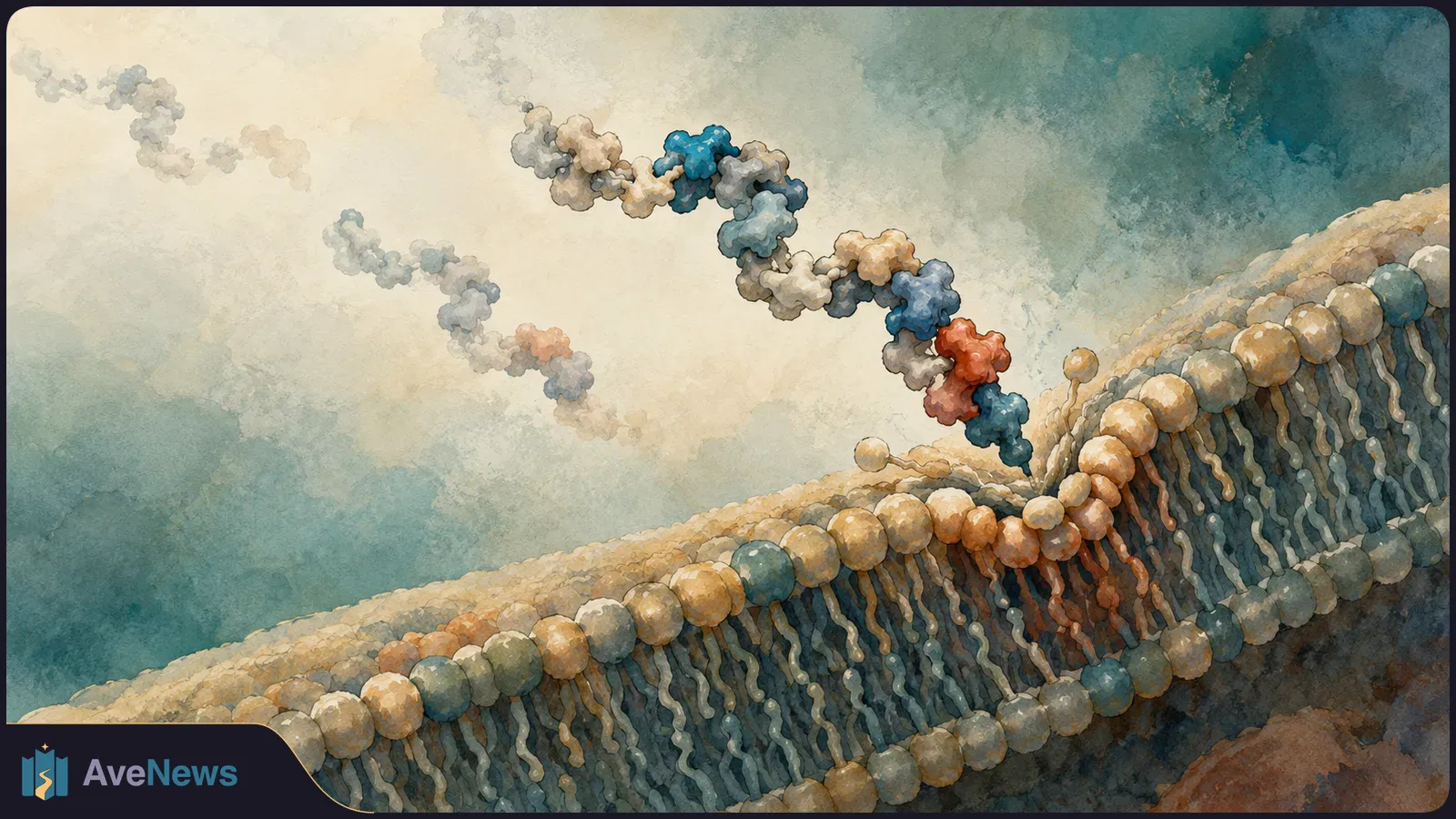
A study traced an immune protein’s evolution over roughly 160 million years, finding small changes that strengthened antibacterial activity in the lab.
3 min