
Model estimates 3% dust in Mars’s north polar surface ice
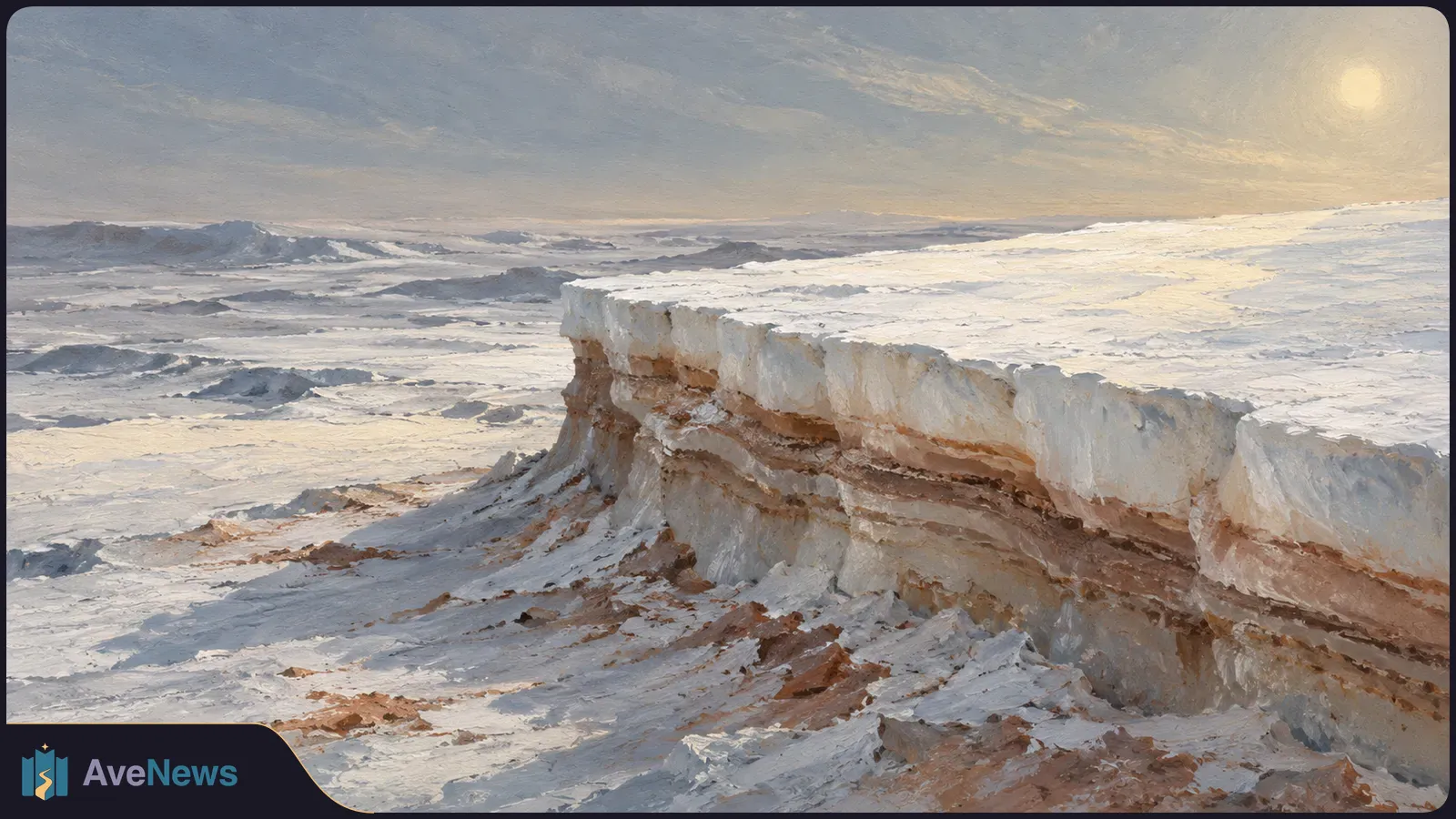
A layered model distinguishes cleaner surface ice from dust beneath it, with seasonal brightness changes helping explain what researchers observe.
A layered model distinguishes cleaner surface ice from dust beneath it, with seasonal brightness changes helping explain what researchers observe.
Researchers estimate that surface water ice near Mars’s north pole contains about 3% dust by mass, much less than earlier models suggested. The revision concerns the top layer, not the entire polar cap, and could help researchers interpret the ice-and-dust layers that record past Martian climates.
Universe Today reported on October 1 that the study, published in npj Space Exploration, recalculated the dust content using a layered model informed by similar ice-and-dust research on Earth. Dust fraction by mass means the mass of dust divided by the combined mass of ice and dust.
| Model | Dust by mass |
|---|---|
| Earlier models | About 25% |
| New layered model | About 3% |
The researchers attribute the lower estimate to the arrangement of the material: ice lies on top, thinner dust layers sit beneath it, and more ice lies below. Their model therefore distinguishes the surface ice from the dust underneath.
The estimate combines measurements from OMEGA and CRISM—spectrometers that measure light at different wavelengths—and the Surface Stereo Imager aboard the retired Phoenix lander. The researchers used those observations alongside known compositions of water ice and Martian dust in their modeling.
Study co-author Aditya Khuller, identified in the October report as a senior research scientist at the University of Washington’s Applied Physics Laboratory, said brightness changes over time helped reveal a seasonal pattern. Relatively dusty frost forms in winter, then disappears in the Martian summer, exposing cleaner, older ice.
Mars’s axial tilt—the tilt of the axis around which the planet spins—changes substantially over long periods. Those changes alter its climate and redistribute ice and dust, including across the northern latitudes. Understanding how the materials are layered can therefore help researchers investigate past climates rather than treating the polar surface as a uniform mixture.
How precisely the model estimates the surface dust fraction remains unclear. The lower estimate is a finding about ice composition, not confirmation that water is accessible for future human missions.
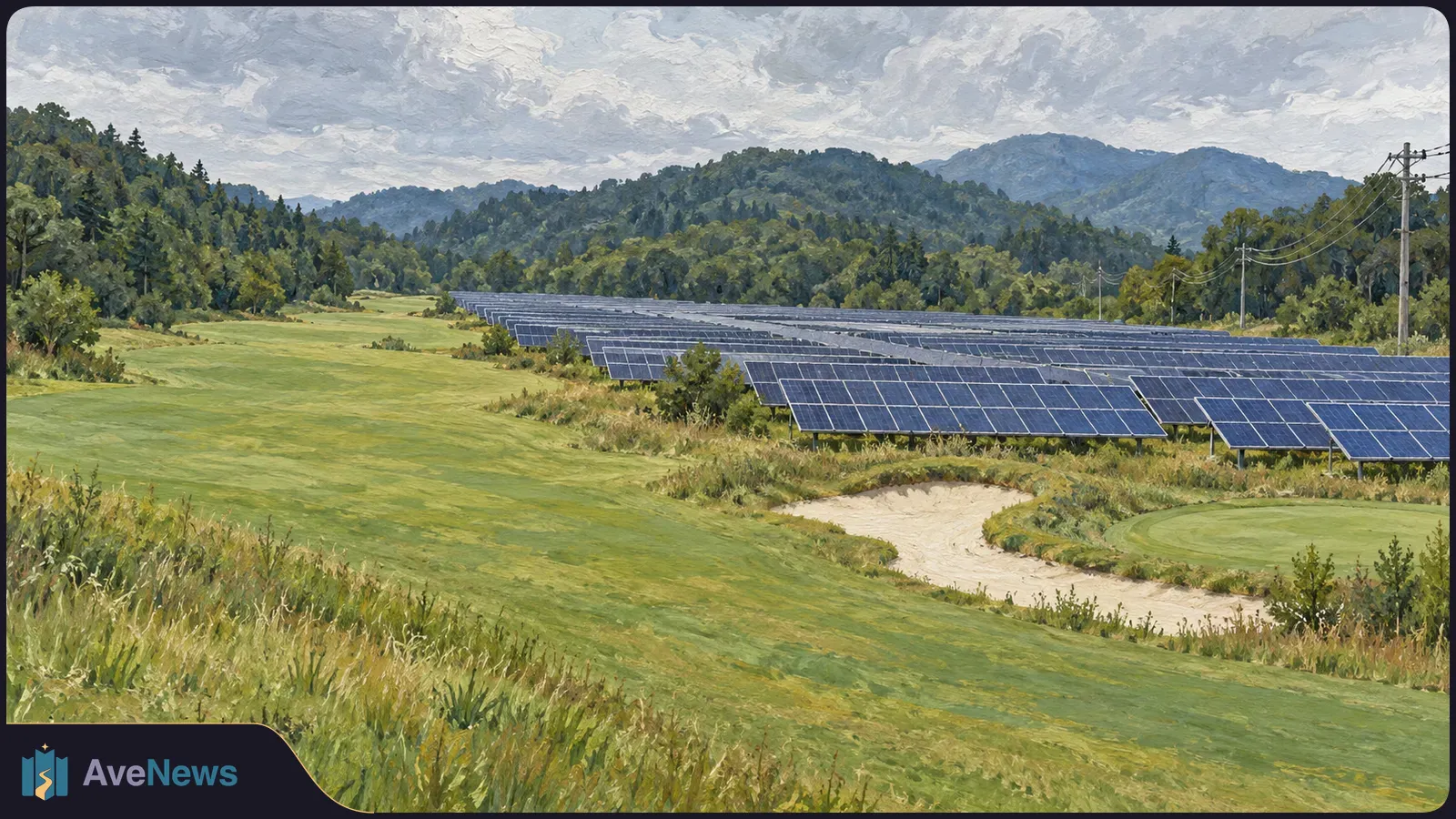
Yale Environment 360 reports that cheap, flat sites with grid connections offer an alternative to foothill projects linked to forest loss and landslide risk.
2 min
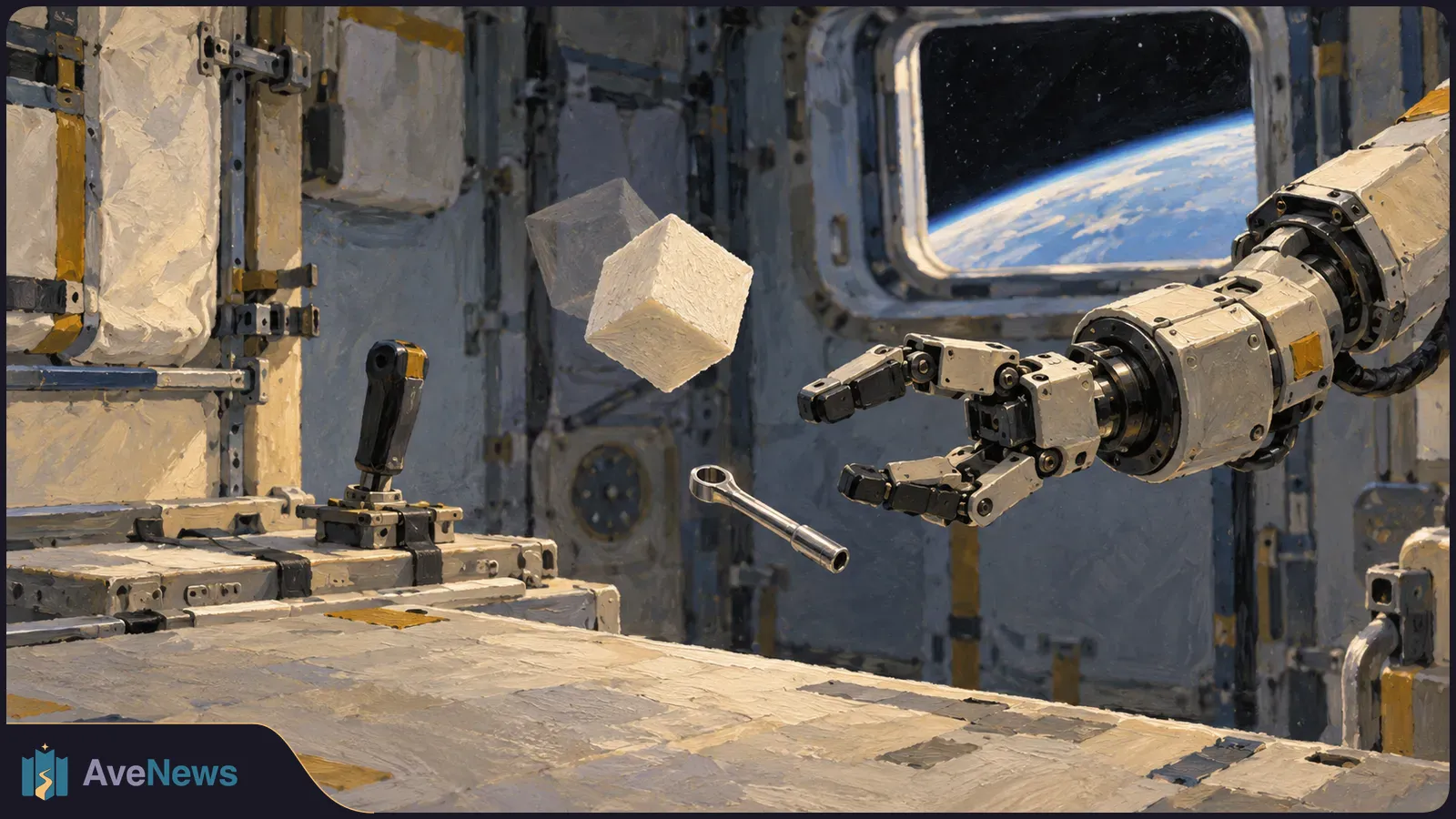
Supervised rover planning and orbital experiments are testing limited uses of SI. Space robots face another hurdle: learning how objects move in microgravity.
3 min

A University at Buffalo-led study points to a small chemical group on RNA’s sugar as a reason for the difference. Whether these droplets helped life emerge remains an open question.
