
Medieval eyesalve slowed bacterial resistance in laboratory tests
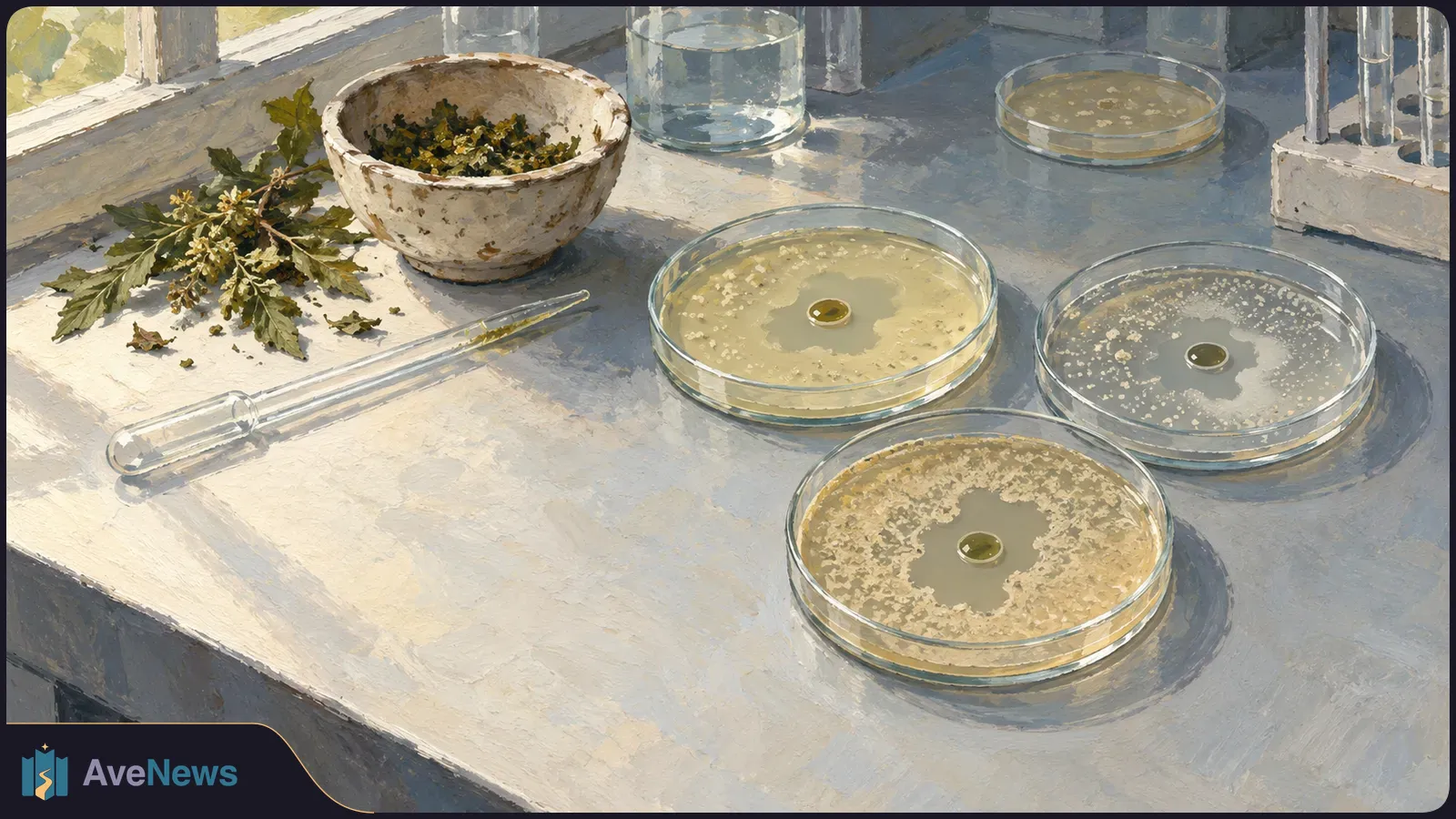
The recreated mixture affected bacterial membranes, gene activity and communication. Researchers want to identify the active molecules, not recommend a homemade treatment.
The recreated mixture affected bacterial membranes, gene activity and communication. Researchers want to identify the active molecules, not recommend a homemade treatment.
Three kinds of harmful bacteria developed resistance more slowly to a recreated medieval remedy than to conventional antibiotics in laboratory experiments, Science News reported on September 29, 2026. The findings, published September 3 in mSphere, offer researchers a way to investigate treatments that affect several bacterial functions at once. They do not establish that the remedy can safely treat infections in people.
The mixture, called Bald’s eyesalve, is a modern adaptation of a recipe from Bald’s Leechbook, a tenth-century medical manuscript. It contains garlic, onion, bovine bile and wine. In 2015, University of Warwick microbiologist Freya Harrison and colleagues recreated it and found laboratory antimicrobial activity against Staphylococcus aureus, including its drug-resistant form, MRSA. The newer experiments investigated how the mixture affects bacteria and how quickly resistance develops.
After eyesalve treatment, hundreds of S. aureus genes showed changes in expression—the extent to which cells use those genes. These included genes associated with the composition of cell membranes and the bacteria’s ability to cause disease. The mixture also damaged bacterial membranes, an effect that could kill the cells.
Even very low concentrations reduced S. aureus’ ability to form biofilms: hardy bacterial colonies that resist antibiotics. The eyesalve also inhibited communication between bacterial cells, which pathogens use to coordinate activities and become more harmful.
To test resistance development, the researchers exposed cultures of S. aureus and two other pathogens to increasing concentrations of either the eyesalve or commonly used antibiotics. They compared the concentrations bacteria could tolerate after two weeks with those that had initially stopped bacterial growth.
| Treatment | Concentration bacteria could tolerate compared with the initial growth-inhibiting concentration |
|---|---|
| Conventional single-molecule antibiotics | Bacteria often grew at 8–16 times the initial concentration. |
| Bald’s eyesalve | Bacteria tolerated only slightly higher concentrations. |
This comparison measures changing growth tolerance in bacterial cultures, not how well either treatment cures infections in patients. Omar El-Halfawy, a University of Regina microbiologist who was not involved in the research, called the difference in resistance development remarkable.
Analysis
Harrison suggests that resistance developed more slowly because the eyesalve affects several bacterial targets. Surviving bacteria might therefore need mutations affecting multiple targets, which she says is difficult. That is the researchers’ proposed explanation, rather than proof that the mixture cannot encounter resistance.
Harrison cautions against making eyesalve at home to treat infections. She describes that approach as impractical and potentially unreliable and dangerous because batches would vary.
Instead, Harrison proposes identifying the combination of molecules responsible for most of the effects, then potentially reproducing their action in a laboratory-made mixture suitable for clinical use. Which molecules are responsible remains unresolved, as does whether a formulation based on them would be safe and effective in patients.

Resources for the Future projects 1.83 gigatons less cumulative power-sector carbon dioxide through 2041 if the bill passes, though emissions grow with or without it. The estimate covers only the bill’s power-sector provisions.
3 min

Officials attribute six deaths in Florida and two in Alabama to the storm and its aftermath, including a fatal tree strike more than 200 miles from landfall.
10 min
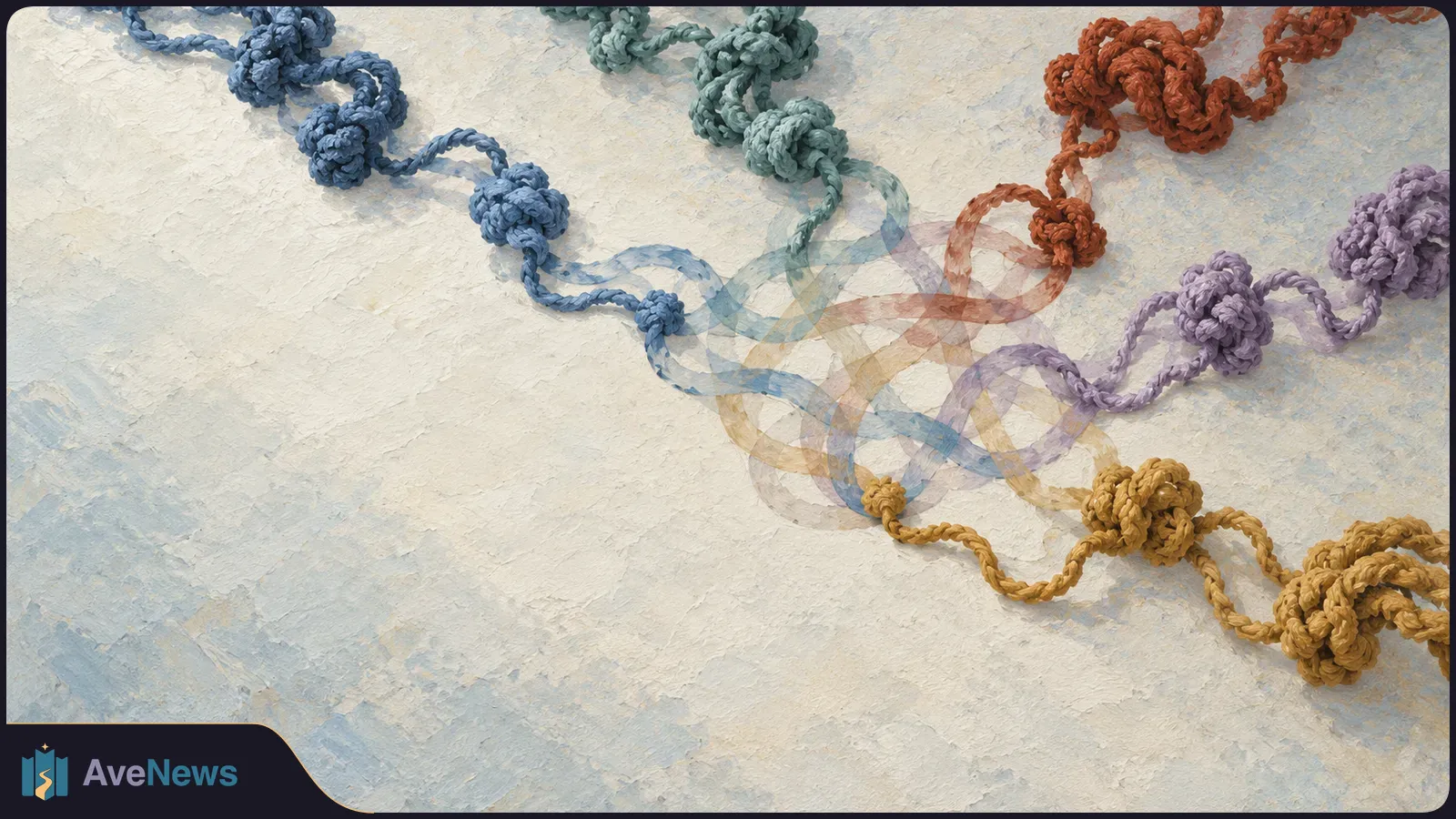
Researchers used existing genetic data and predicted DNA contacts to look for biological connections. The overlap does not establish a common cause of fatigue.
3 min
