
Proposed Domtar deal would restore Roanoke River habitat
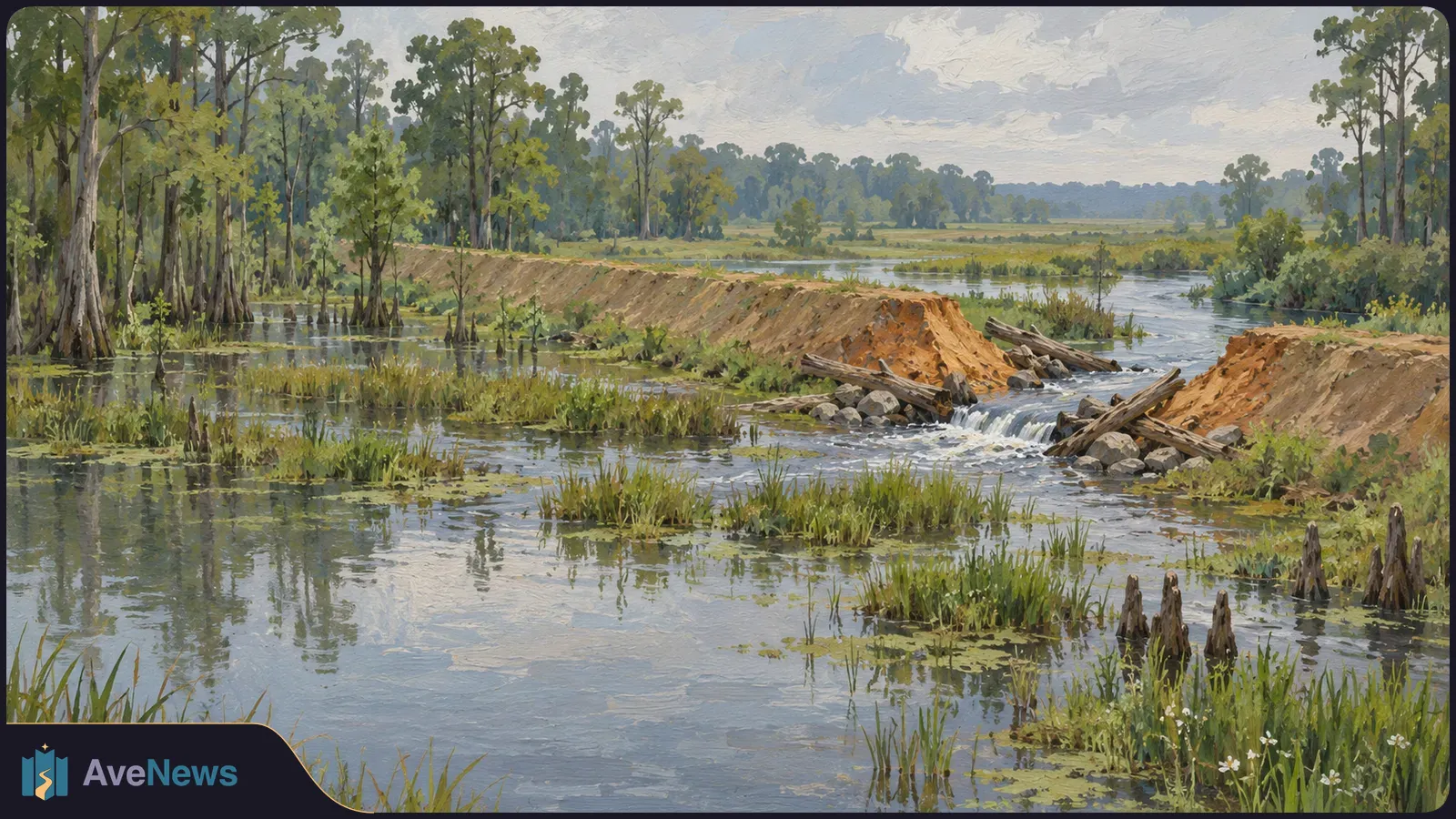
The plan would protect 760 acres of wetlands and fund work to reconnect streams and floodplains. Public comments close October 16.
The plan would protect 760 acres of wetlands and fund work to reconnect streams and floodplains. Public comments close October 16.
Federal and state regulators have reached a tentative agreement with paper company Domtar to protect wetlands and restore fish habitat in North Carolina’s Roanoke River watershed, Inside Climate News reported on October 1, 2026. The proposed consent decree—a settlement submitted for court approval—addresses damage caused by the mill’s previous owner, Weyerhaeuser. It is not yet an approved settlement.
| Measure | Scale | Purpose |
|---|---|---|
| Protect Warren Neck forested wetlands | 760 acres | Preserve fish nursery habitat through a conservation restriction in the property deed. |
| Fund habitat restoration | Roughly $1.75 million | Reconnect floodplains, protect wetlands and install water crossings and culverts to help fish passage. |
Floodplains are the land beside a river that floods; reconnecting them restores links between the river and that surrounding habitat. Culverts carry water beneath roads or other crossings and can provide routes for fish. The funded project is intended to reconnect three miles of historic stream channels to their natural flow and improve more than 600 acres of habitat.
Inside Climate News reports that Weyerhaeuser discharged toxic dioxins, furans and mercury—byproducts of the bleaching process—into the river for 50 years. Scientists have found dioxins in river sediment, wood duck eggs and fish. Domtar assumed liability for cleanup when it acquired the property, although it was not responsible for the original damage.
The damage also involved water withdrawals for manufacturing. State and federal records cited by Inside Climate News show that those withdrawals drew larval fish into cooling tanks and killed them, reducing the combined numbers of striped bass, river herring and white perch by 100,000 each day.
Contamination cleanup is separate from the proposed habitat work. According to the report, EPA records show that Weyerhaeuser excavated contaminated material from a landfill and former chlorine plant before Domtar acquired the property. Domtar has spent at least $5.5 million on remediation since 2011, including a thin sand cap over contaminated sediment in Welch Creek. That cap contains the sediment rather than removing it.
Dioxin levels in and near the river have declined since 1990, Inside Climate News reports, but state health officials still recommend eating certain fish caught there no more than once a month. Dioxin can accumulate in fish’s fatty tissues and move through the food chain as larger fish eat contaminated smaller organisms. Protecting fish habitat does not mean that contamination has been removed or that the consumption advisory has ended.
The public can comment on the proposal through October 16. The Nature Conservancy in North Carolina, which protects about 2,000 acres near Domtar, is reviewing the draft restoration plan and plans to submit comments, its Freshwater and Coastal Plains director Julie DeMeester told Inside Climate News.
Domtar said in a statement to WCTI, a television station in New Bern, that it was reserving further comment until the public-comment period had concluded and the decree was ordered.

A layered model distinguishes cleaner surface ice from dust beneath it, with seasonal brightness changes helping explain what researchers observe.
2 min
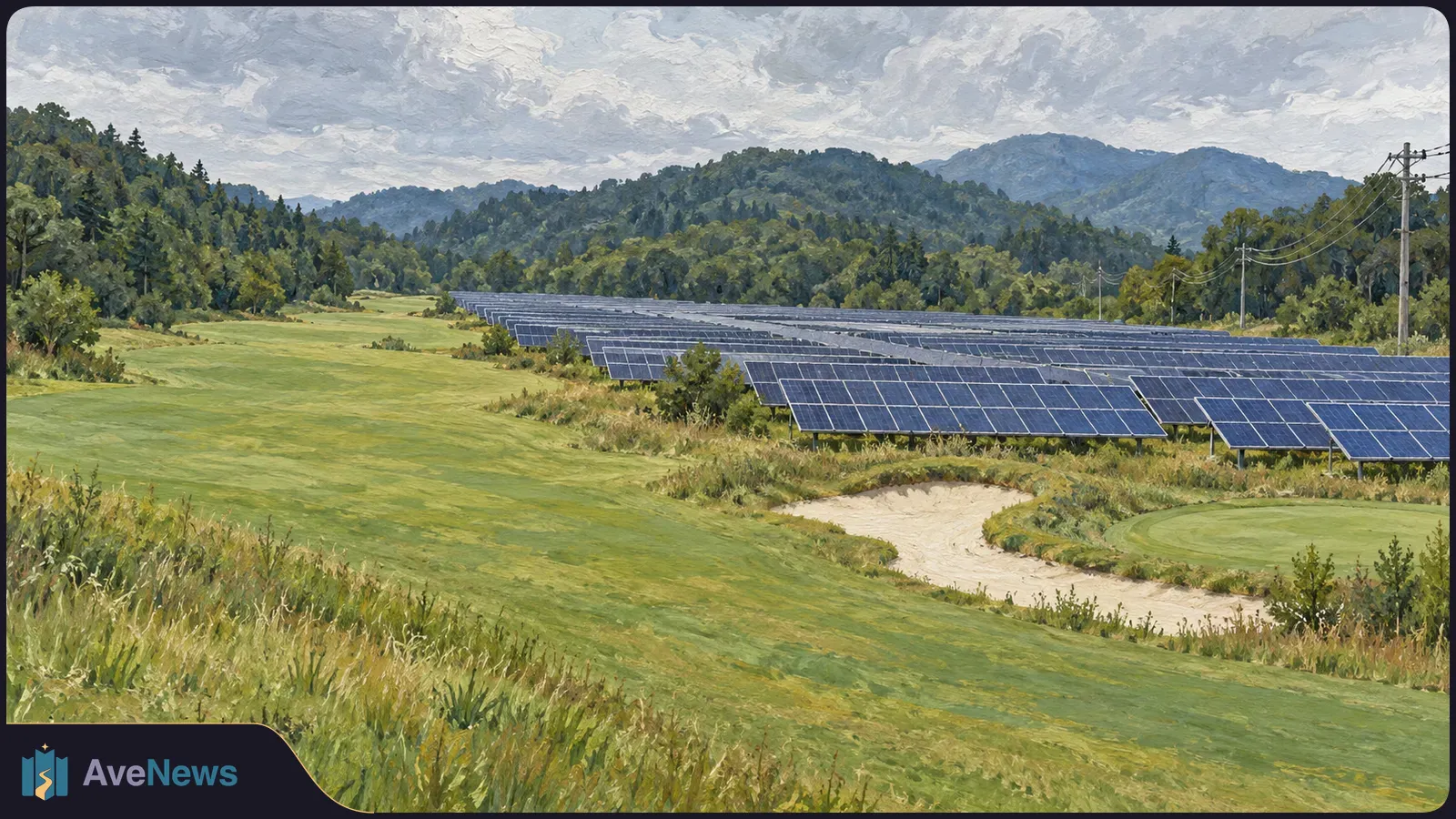
Yale Environment 360 reports that cheap, flat sites with grid connections offer an alternative to foothill projects linked to forest loss and landslide risk.
2 min

Supervised rover planning and orbital experiments are testing limited uses of SI. Space robots face another hurdle: learning how objects move in microgravity.
3 min
