
Satellite analysis identifies large methane leaks at Turkish landfills
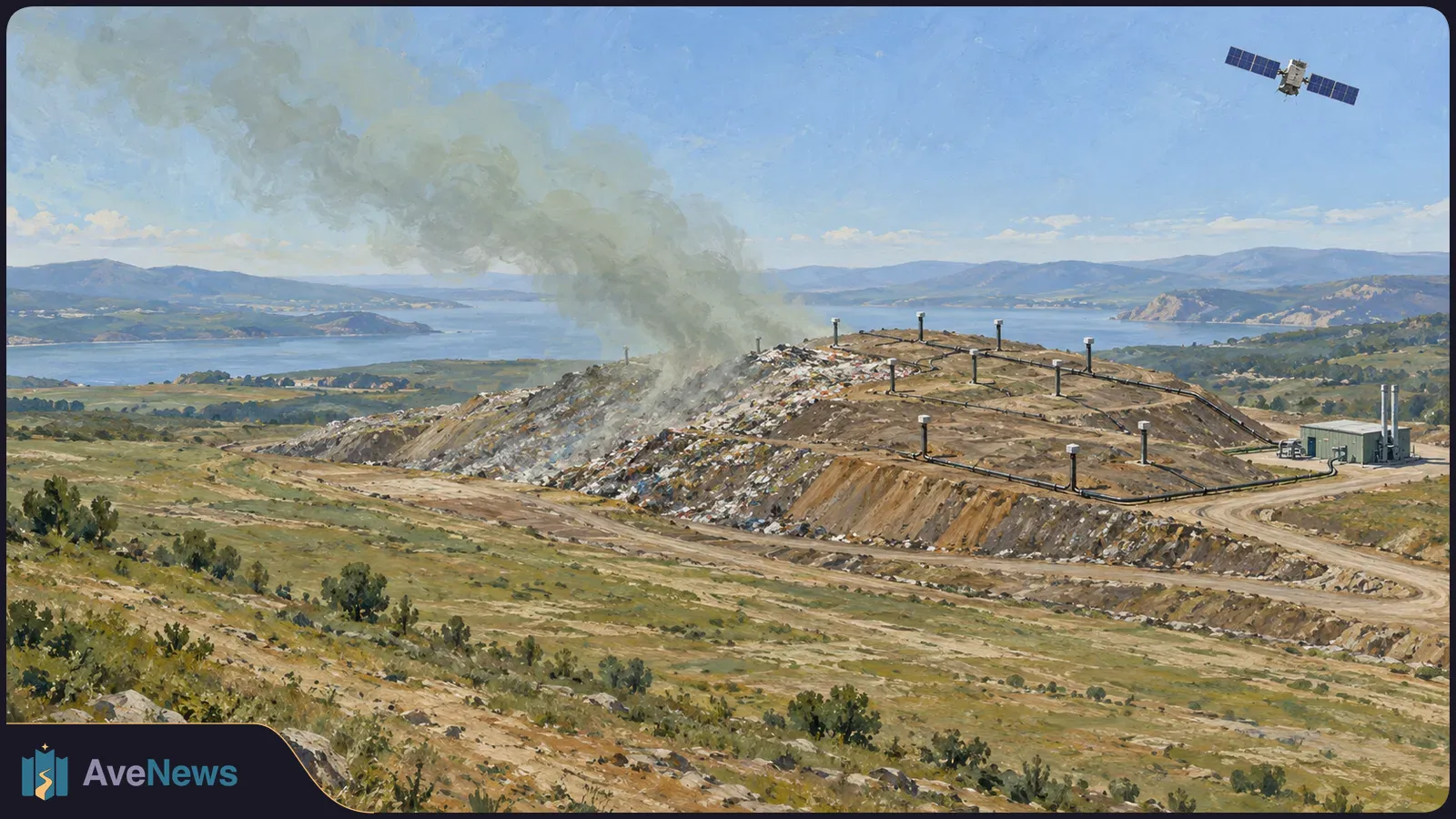
UCLA researchers used Carbon Mapper data to identify major emissions, including at a landfill that also captures methane for energy.
UCLA researchers used Carbon Mapper data to identify major emissions, including at a landfill that also captures methane for energy.
UCLA’s Stop Methane project has identified large methane leaks at Turkish landfills using satellite data from Carbon Mapper, according to the Guardian feature “Revealed: the methane mega-leaks from UN climate summit host Turkey”. The analysis identified what the researchers described as Turkey’s 10 highest-emitting landfill sites, including Silivri near Istanbul, where methane is also collected for energy.
Methane is a powerful heat-trapping gas released as food and other organic waste decay. It leaves the atmosphere much faster than carbon dioxide, so reducing methane emissions can slow warming relatively quickly, the feature explains.
| Landfill | Methane emissions | Description |
|---|---|---|
| Silivri, near Istanbul | 7.4 tonnes per hour | Reported average rate |
| Şile, on Istanbul’s outskirts | 4 tonnes per hour | Reported emission rate |
The feature also reports large landfill leaks in İzmir, Ankara and Antalya, citing the UCLA researchers. How often the reported rates occurred, how long they persisted and what uncertainty surrounds the estimates remain unclear.
Fatih Arslan, an official at İstaç, Istanbul municipality’s waste-management division, told the Guardian that Silivri’s on-site facility extracts 6,000 cubic metres of methane per hour and burns it for energy. He initially attributed the emissions to waste areas not yet covered with clay. Arslan said the priority was to cover exposed areas quickly and capture their methane for fuel, and acknowledged that improvements were needed.
Having a collection system does not mean that all the gas is captured. Dr Tia Scarpelli, Carbon Mapper’s waste-sector lead, said performance depends on the system’s design, efficiency and daily management. The feature lists poor maintenance, extinguished flares used to burn excess methane, and collecting higher-quality gas while releasing the remainder as possible causes of major leaks. These are general failure mechanisms, not established explanations for the leaks at the Turkish sites.
Arslan also defended the current system by comparing it with waste left without proper storage, arguing that emissions were much better than under that alternative. Separately, residents near Silivri told the Guardian that foul smells from the landfill had disrupted their lives for years. They described having to keep windows closed even on hot summer nights.
According to the Guardian, Turkey’s greenhouse-gas inventory submitted to the UN identifies uncontrolled landfill methane releases as a major contributor to waste-sector emissions and says these gases should be monitored by the environment ministry. But a monitoring mechanism introduced through legislation enacted in August covers only carbon dioxide emissions from selected private-sector operators. It also excludes facilities using biomass—organic material—including landfills.
Turkey’s environment ministry declined to comment to the Guardian on the high-emitting sites. Istanbul municipality also declined to answer questions about Silivri’s methane emissions.
Turkey is scheduled to host Cop31, the UN climate summit, in Antalya in November and has placed zero waste and methane reduction at the top of its action agenda. Cara Horowitz, who leads UCLA’s Stop Methane project, said accurately measuring landfill emissions is an important first step. She also pointed to keeping organic waste out of landfills as a way to prevent methane from forming in the first place.
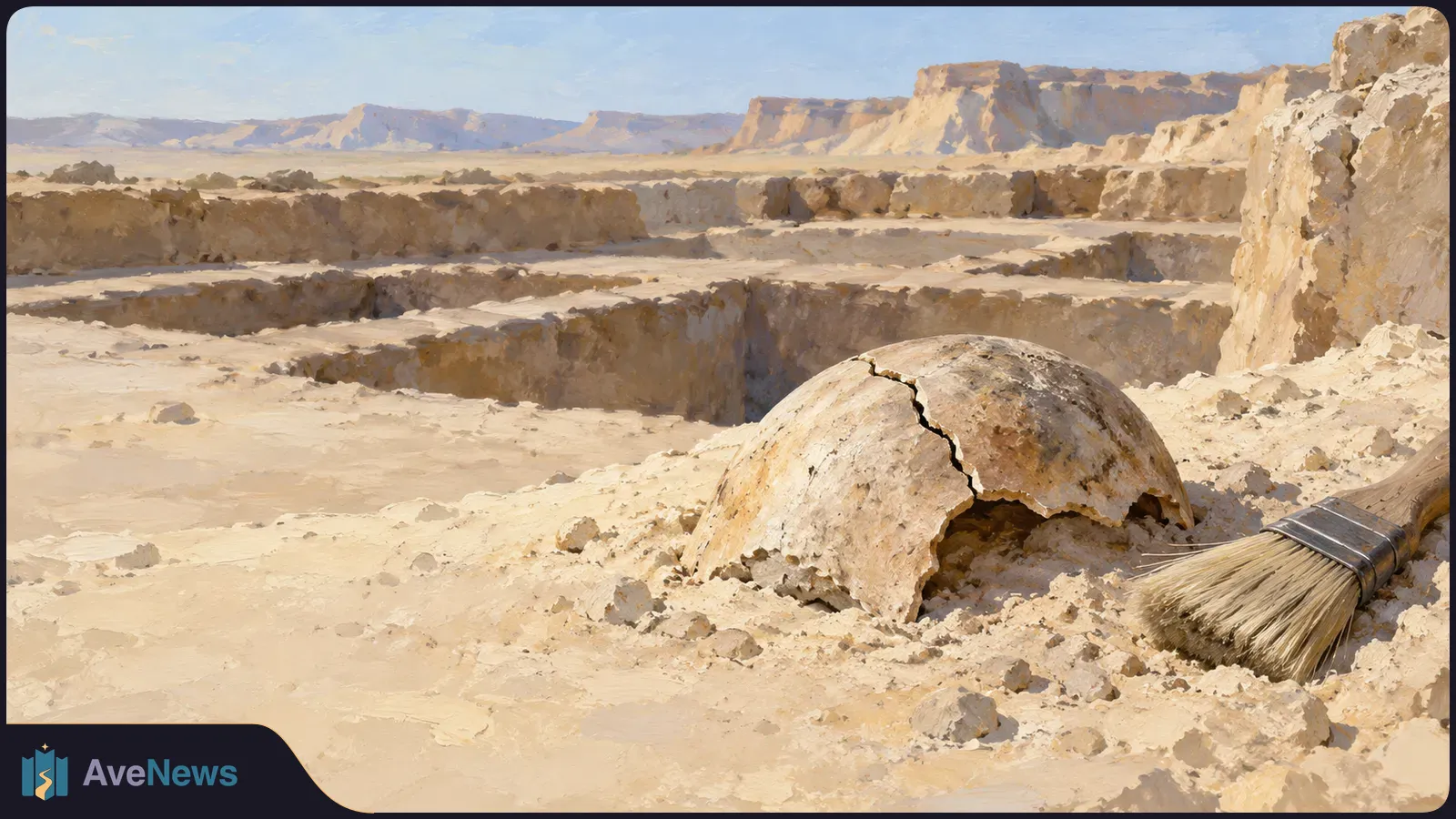
A re-examination found potentially lethal injuries in 18 of 46 skulls from royal-household graves, but cannot establish how widespread sacrifice was.
3 min
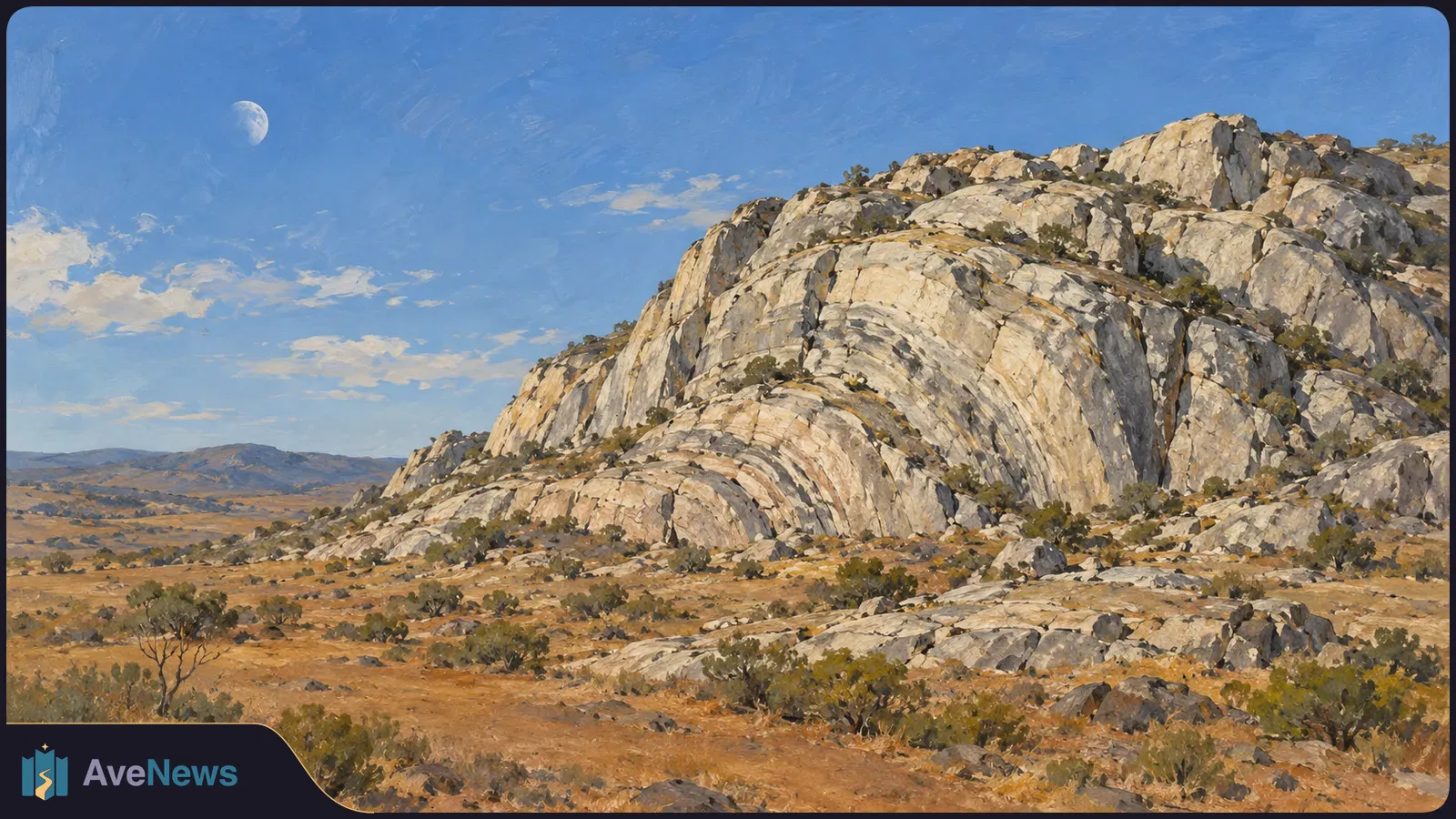
NASA’s Saririaky photograph illustrates how the same rock type can record underground cooling and later deformation on Earth, but crust formation on the Moon.
2 min

Researchers found that proteins used to join cells also help them engulf dying cells. Experiments in zebrafish and mouse embryos reveal a role for both force and flexibility.
3 min
